
Mawlid and The Hanbali Madhab First we need to learn the meaning of this word 'mawlid' It is derived from the root و-ل-د, which relates to giving birth or being born. In classical usage, 'mawlid' refers to the event, time, or location of a person's birth.

For example, 'mawlid al-rajul' means the time or place of a man's birth some Great and well known Hanbalis who wrote works on Mawlid:
Imam Ibn Al Jawzi (RA) wrote some works on Mawlid and in his tabsira if anyone has read it you will see he also holds the belief that the deeds are presented to the Prophet (SAW) as he is the witness And i lost all my data sometime ago so you if anyone has that scan then send
Sultan Awliya Shaykh Abdul Qadir Jilani (RA) also has a book on Mawlid its called Mawlid Ar Rasul Al Azam and the authenticity of this book was verified then it was published by the hanbali madrasah

And Shaykh of Ibn Abdul Wahab, Muhammad Hayyat Al Sindi writes about him in his hasihya of Sunan Abi Dawud: الشَّيخِ محييِّ الدِّينِ، الغَوْثِ الرَّبَّانِيِّ، قُطْبِ الأقطابِ، سُلْطَانِ الأَوْلِياءِ، الصَّمَدَانِيِّ — الشَّيخِ عَبْدِ القادِرِ الجِيلانِيِّ.
Ibn Taymiyyah (RA) writes in Sirat Mustaqim that whoever celebrates Mawlid will get reward for his venetration of the Prophet (SAW) and intention but not for the innovation if anyone has the scan for this then send ngl
Imam Ibn Qayyim also i have seen him praise the ruler who used to celebrate Mawlid but i don't have that pdf image saved i had that before losing data check maddarj salikeen introduction maybe you will find it there (pdf which has 4k pages together)
Imam Muḥammad al-Manbijī the Imam of the Hanbalis the hadith master of his time the ascetic the follower of Salaf He also wrote a book on Mawlid
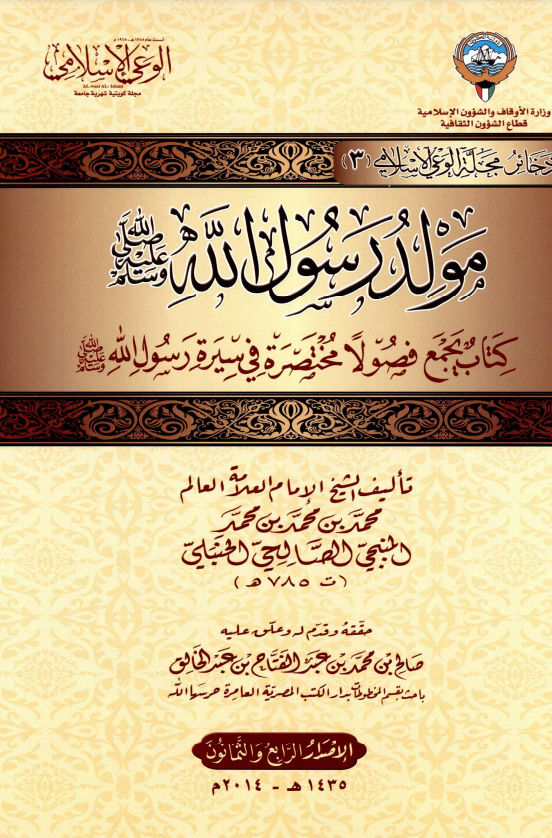
Al Tufi the student of Ibn Taymiyyah also wrote a work on Mawlid and Ibn Hajar in Durar Kaminah mentions one of his poems written about Mawlid

Ibn Abdal Hadi Al Hanbali (RA) the great Imam also wrote a work on Mawlid Mawlid Abdul Hadi
The Pillar of the Madhab Al Mardawi (RA) The Shaykh of Islam also wrote a work on Mawlid Mawlid Al Mardawi Shaykh Hassan Al Shuṭṭī also wrote a book on Mawlid its called Mawlid Al Hassan Shuṭṭī
Imam Ibn al-Fakhr Shams al-Din Abu’l-Qasim Muhammad ibn Fakhr al-Din ‘Uthman al-Lu’lu’i al-Dimashqi al-Katibi al-Hanbali (d. 867 AH) also wrote a book on Mawlid The Ordered Pearl on the Birth of the Great Prophet
I totally forgot to mention Imam Ibn Rajab (RA) He in latif maarif writes: 'Duties of the month of Rabīʿ al-Awwal, which includes gatherings: The first gathering is for mentioning the birth of our Master.'

And also writes that Fasting on days on which blessings are renewed, recommended to fast and The Greatest Blessing on this Ummah is the Birth of the Prophet (SAW)

"So fasting on the day when this blessing was renewed from Allah for His believing servants is a fine, beautiful practice It falls under the principle of reciprocating blessings at the times they are renewed with gratitude."
And Imam Ibn Rajab is very clear here he views Mawlid if one fasts on that day as a good thing and learning about seerah is also a praiseworthy act as he also mentioned about his birth and virtues and he did not say bidah or anything negative for thanking God on his birth
And Imam Saffarini and Imam Mar'i both of these great scholars also never wrote anything against Mawlid and both of them have praised sufis alot Ghida and Al Buhur
In their works they have clearly wrote against the Asharis and innovators but never called any scholar who said bidah is of five types wrong or smth and even praised those scholars and even had some Ashari shaykhs and had a good relation with them even tho they were harsh
against the Asharis in their works but still had a good personal relation with them And The Ottomans used to celebrate Mawlid and both of these had people around who used to celebrate Mawlid even their shafi shaykhs
Ibn Badran also wrote a work on Mawlid i just remembered and also called the work of Ibn hajar Haythami praiseworthy in one of his works
and now lets discuss this as per the usul of the madhab but before that some narrations from Imam Ahmad to make things clear wait let me use some sayings of the Hanbalis on what bidah is first then some narrations from him and then the usul part
Imam Ibn Abi Al Fath (RA) writes about bidah being of guidance and misguidance and there are 5 types but this is not the place to discuss this he says

Imam Ibn Al Mubarrad Al Hanbali (RA) also writes about bidah of being guidance and misguidance and there are 5 types of bidah

Hafiz Ibn Rajab (RA) mentions bidah and goes in full detail about what bidah is and quotes Imam Shafi and Umar (AS) and others from Salaf and also tells us about good bidah from Salaf But says bidah not in shariah its bidah but in linguistics

Imam Saffarini Al Hanbali (RA) quotes Imam Shafi and says it may be good if not against the shariah and some might be recommended

And not a hanbali but he explained it well not that long its a small page so reading this will elevate your understanding of bidah Its by Ibn Al Athir (RA)

and now some narrations from Imam Ahmad He himself used to write taweez to cure fever and for pregnant women And would also use and allow writing Quranic verses in a pot and washing them with water to make it blessed He deemed this permissible and not bidah
Some other examples and after arafah he deemed it permissible to make dua And said dua is good and there is nothing wrong with making dua and there is goodness in it So this can be considered similar to Mawlid in some way if we look by following the view of Ibn Rajab
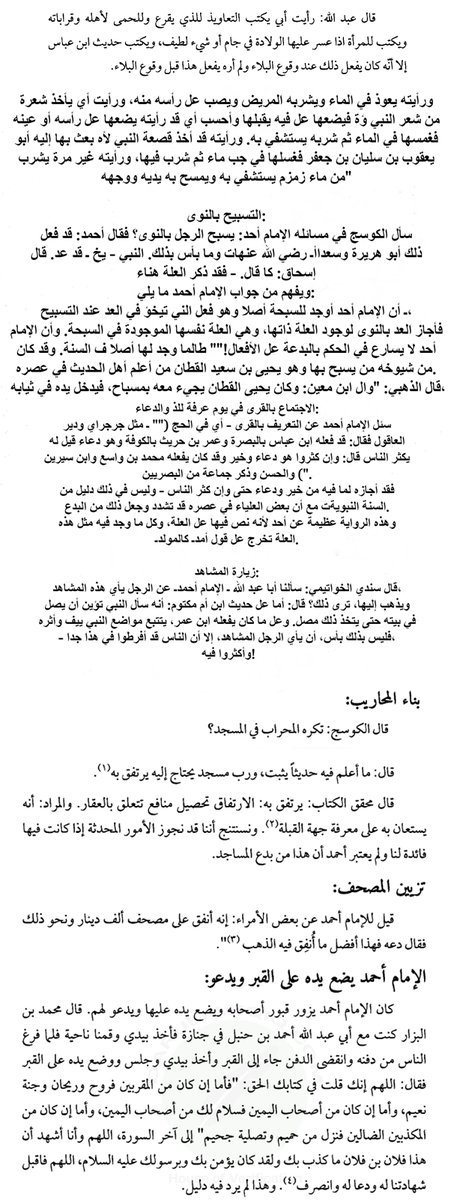
And he would also go to the graves of his companions and would place his hand on their graves and used to make dua for them Again he does smth which will be called bidah and a gateway to 'shirk' today
and also going to visit places where righetous and the Prophets prayed he also considers it permissible and says there is nothing wrong with it as Ibn Umar (RA) used to do it but some people have gone to extremes in this thing
and also making a mihrab in Mosque he says i don't know of any authentic hadith regarding this topic but i think a mosque can benefit from it another example of him not seeing everything as a bidah if he understood the Hadith without context he would have called this bidah