
If this is news for some, here's: -What mitochondria are -How they work -The main things that impair their functions -Lifestyle interventions you can apply for healthy mitochondria -Supplements to consider and more🧵
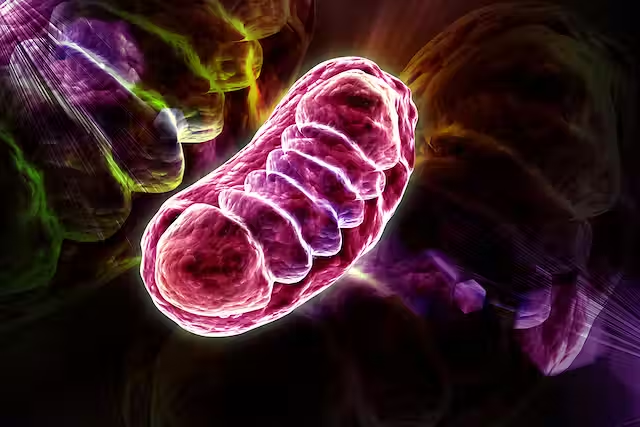
*Standard disclaimer that nothing in this thread should be used as a substitute for medical advice*. It’s George. The topic of mitochondria can seem a bit nerdy and boring at first, but mitochondrial dysfunction is implicated in a host of health conditions ranging from chronic
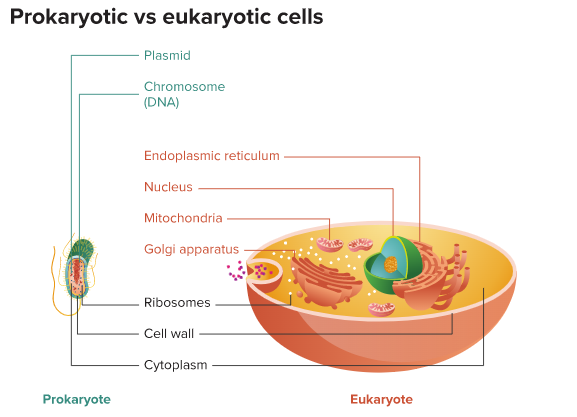
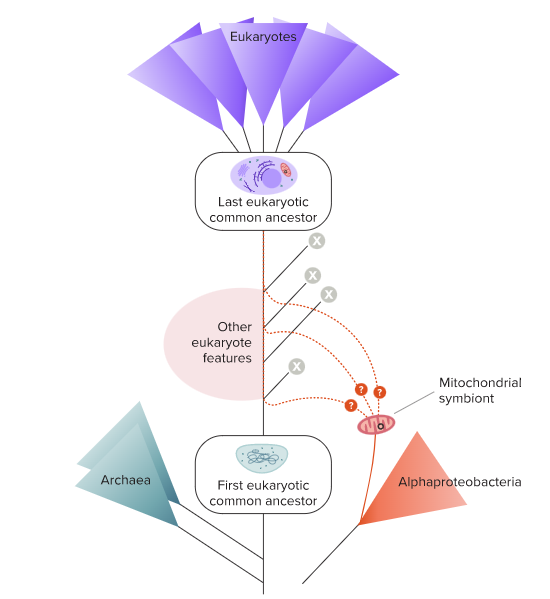
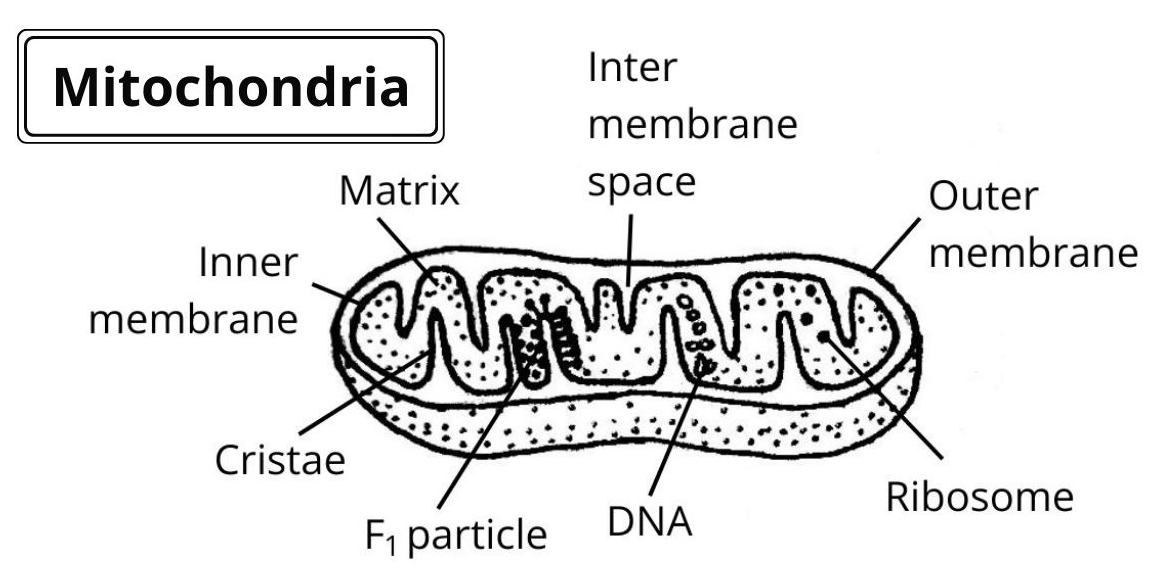
When it comes to the structure of these double-membrane organelles, it’s a good idea to be aware of the following. We have the: -Outer membrane that is highly permeable due to porins such as voltage-dependent anion channels that allow small molecules and ions to pass freely.
Now let’s dive a bit deeper into their main functions. Let's start with ATP production. Our cells require, well, energy in order to run properly. Mitochondria produce ATP through oxidative phosphorylation in the ETC. How? In a nutshell, electrons from NADH (complex I) and
If you have no idea what these are, ATP production happens primarily through three stages: -Glycolysis (happens in the cytoplasm) -The citric acid cycle (or the Krebs cycle (happens in the mitochondrial matrix)) -Oxidative phosphorylation (happens across the mitochondrial inner

Moving on to the citric acid cycle. The citric acid cycle (or else known as the tricarboxylic acid cycle or the Krebs’ cycle) is the major energy yielding metabolic pathway in cells, it is an important part of aerobic respiration and takes place in the matrix of the mitochondria
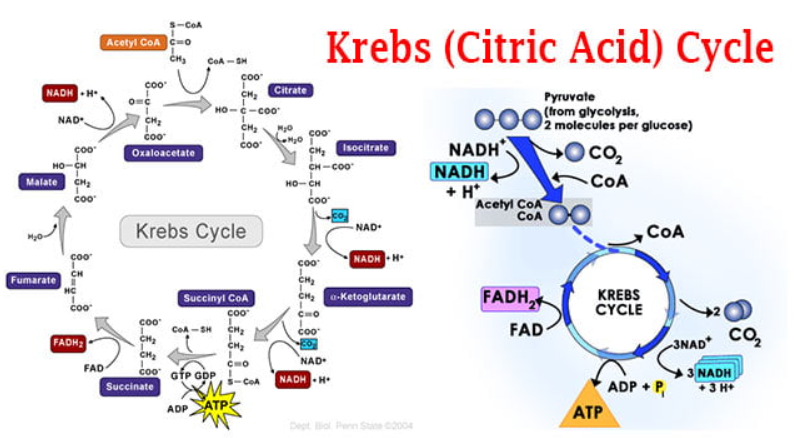
Other key functions of mitochondria include protein transport, apoptosis, calcium homeostasis and the production of ROS. For example, mitochondria release cytochrome c from the intermembrane space to activate caspases, initiating the intrinsic apoptosis pathway. This process,
Now let's talk about certain factors that impair mitochondrial function and what we can do about them. Number 1: Excessive oxidative stress. Oxidative stress occurs when there is an imbalance between free radical production and their detoxification. When ROS production is


Number 2: Sleep Disruption and circadian misalignment. In this one we have an unhealthy light environment (plenty of artificial blue light with too little IR, NIR) that's been clearly shown to harm mitochondria. The combination of: Poor light environment, poor sleep and


Number 3: Poor nutritional habits. This one includes overconsuming foods, the consumption of highly processed foods, a diet with a high 06 and a low 03 intake, and being deficient in B vitamins, magnesium, copper, zinc, iron and dietary antioxidants. B vitamins for example are


Number 4: Sedentary lifestyle. Lack of physical activity reduces mitochondrial biogenesis (creation of new mitochondria). This is why HIIT for example is shown to increase mitochondria in skeletal muscle. Overall, HIIT is shown to stimulate mitophagy via PGC-1α and AMPK
Number 5: The use of medications such as statins, SSRIs and metformin. These cause CoQ10 depletion by inhibiting the mevalonate pathway, decrease mtDNA and inhibit the ETC. If you choose to use them, consider adding ubiquinol, get sun (vitamin D is shown) to prevent the

Number 6: Toxin accumulation. Mitochondria are the first target sites for a variety of heavy metals for example. For example, chronic mercury exposure results in its accumulation in mitochondria, which causes ultrastructural mitochondrial alterations that depolarize the

5 more relatively safe tools/ lifestyle interventions to further consider. Number 1: Increasing NAD+ NAD+ for acts as an electron acceptor in the Krebs cycle and OXPHOS, is consumed by PARPs (enzymes that detect DNA damage) consume it, CD38 and CD157 that modulate immune
Number 2: Red light therapy and or/methylene blue for stimulating cytochrome c oxidase.

Number 3: Glutathione (needs cycling/view it as an intervention and not a staple).

Number 4: Shilajit.

Number 5: Acetyl l-carnitine (needs cycling/view it as an intervention and not a staple). Note: people with hypothyroidism, a history of seizure disorders, people on blood thinners, people struggling with bipolar disorders or are pre-disposed to hypomania and people who are

That was it. I hope that you found something interesting in this thread. If you did, make sure to leave a like/RT. https://x.com/Helios_Movement/...