
This man reveals what most therapists hide: Leo Tolstoy. Over 100 years ago, he exposed how modern life was designed to secretly keep you stressed, depressed, and full of regret. Here's his chilling warnings and how to break free (according to neuroscience): 🧵
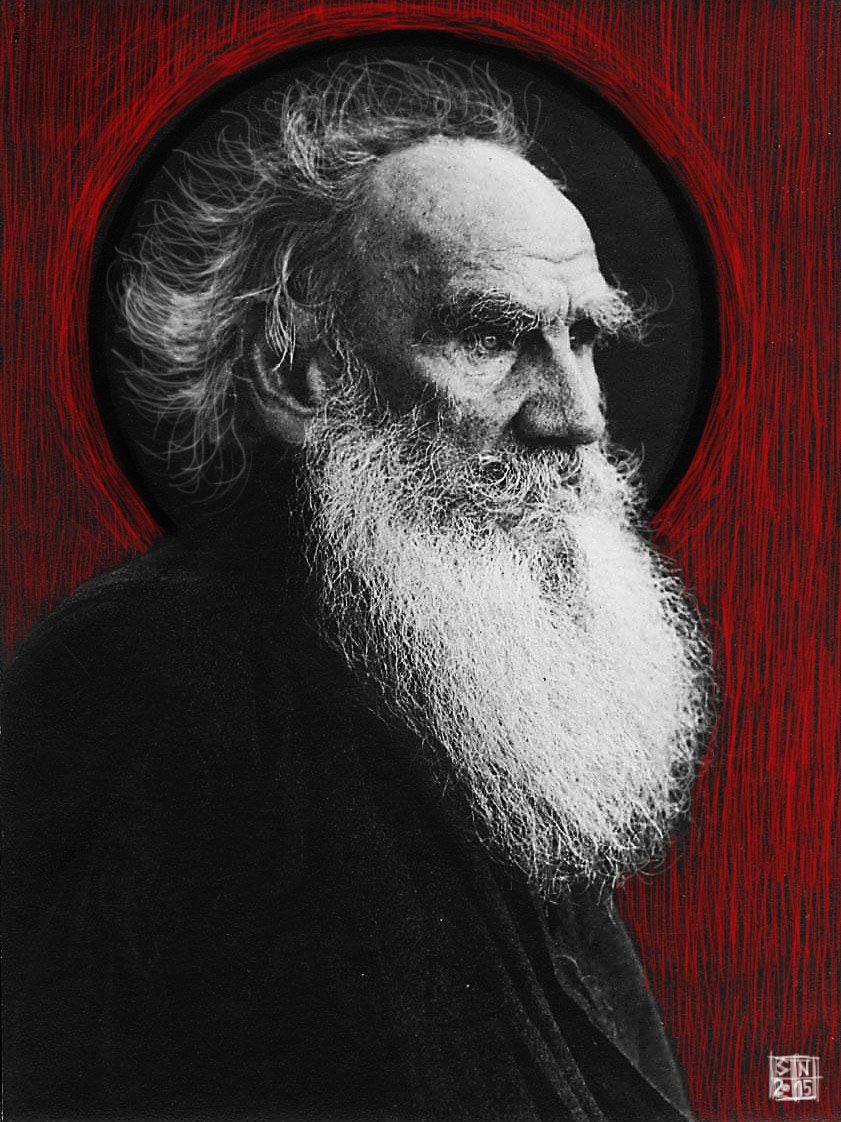
Leo Tolstoy isn’t just any writer. He’s the mind behind War and Peace and Anna Karenina—novels that shaped world literature. However, his later works took on a philosophical tone, preoccupied with the question: How should we live, knowing we will die?
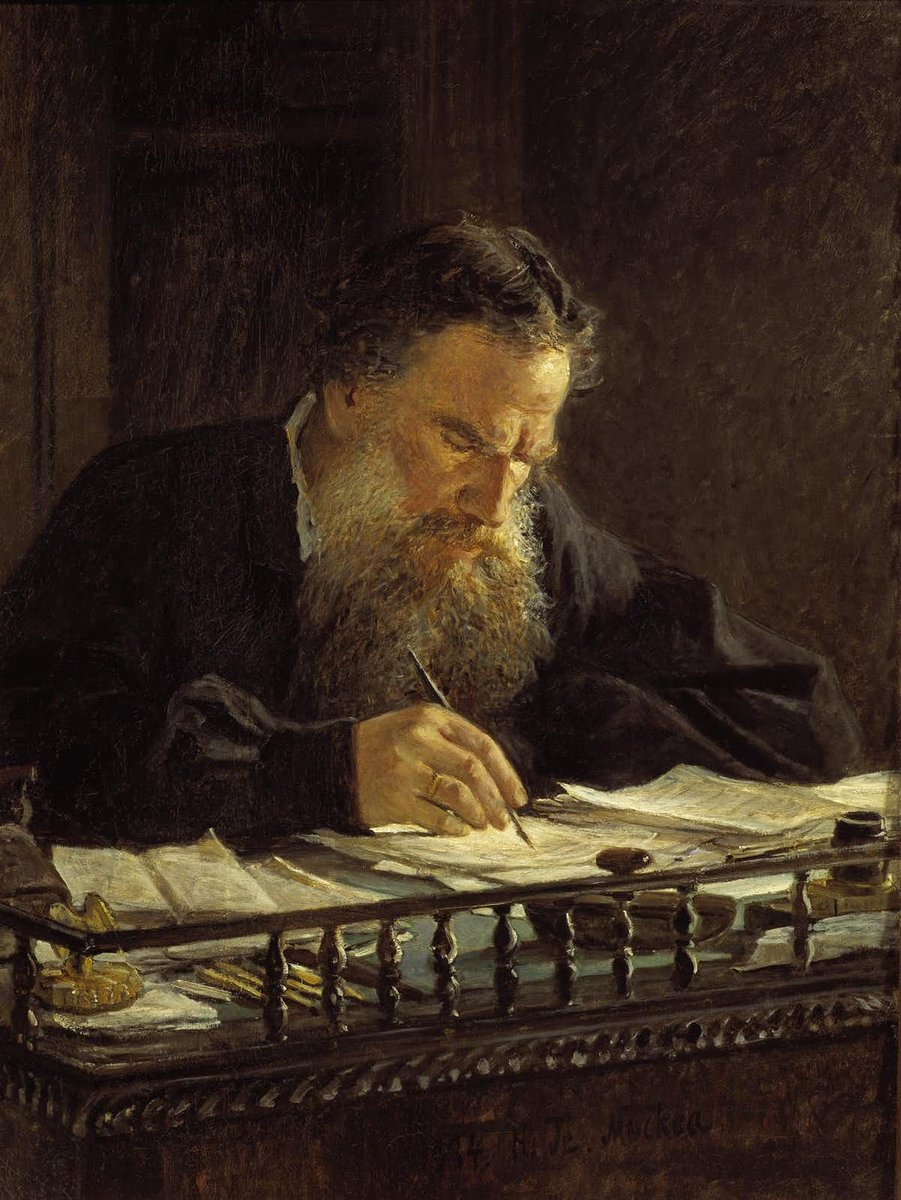
Tolstoy wrote a book that terrifies me. In The Death of Ivan Ilyich, a “successful” man realizes on his deathbed he wasted his entire life. Ivan Ilyich lived the “perfect” life on the surface:
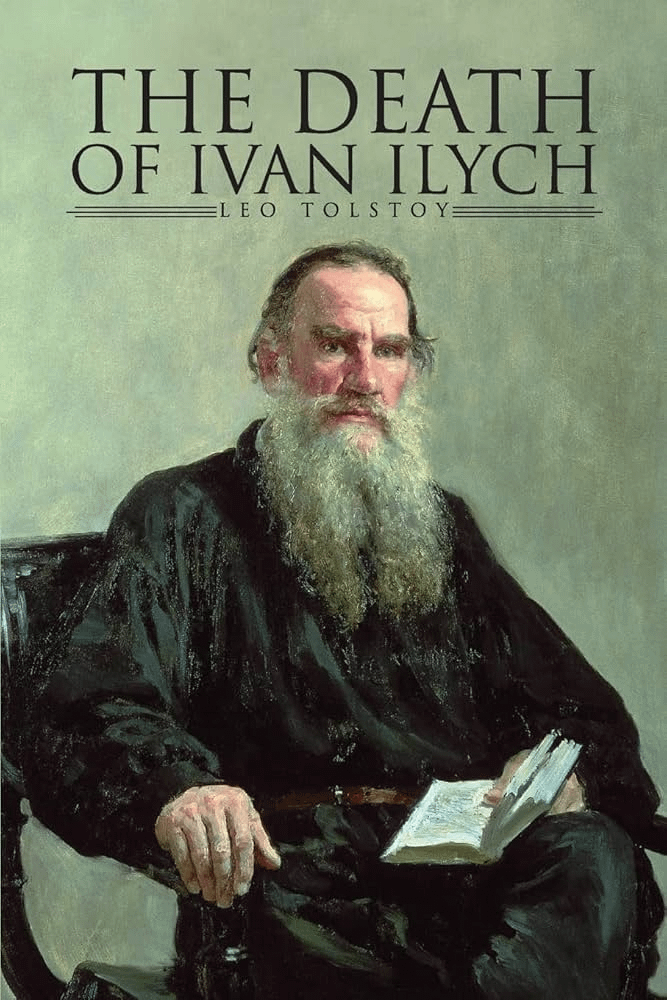
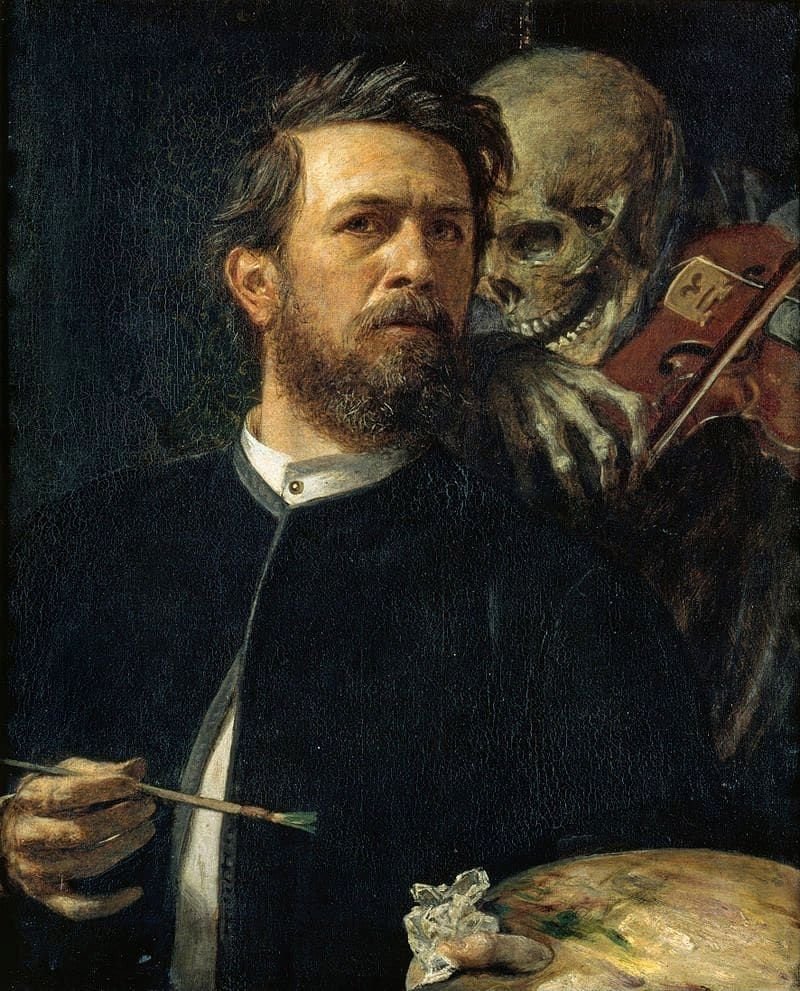
• A respected career as a judge • A socially acceptable marriage • An elegant home in St. Petersburg But when illness struck, he realized it had all been for show. A life lived for appearances, not authenticity.
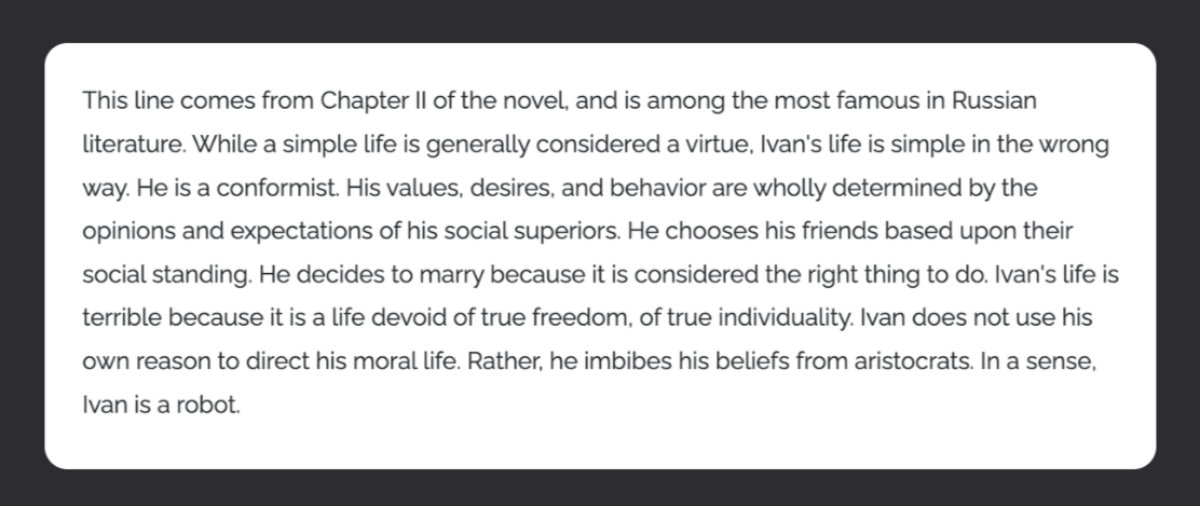
The real tragedy? He knew, cognitively, that all men die. But he never emotionally accepted that he would die. This denial kept him sleepwalking through life. Until the final hours, when regret consumed him.

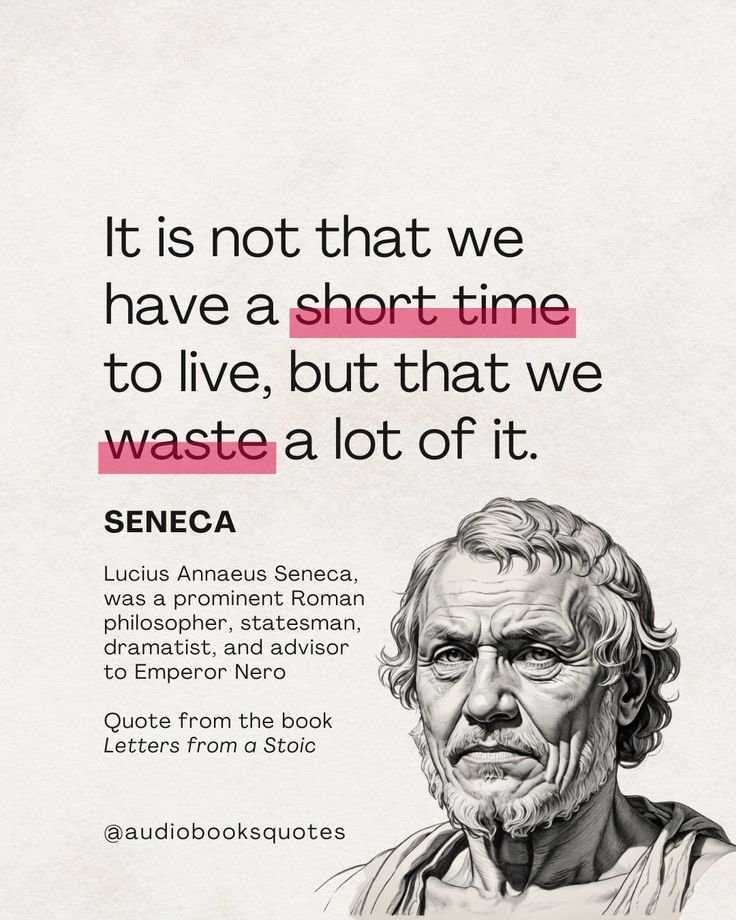
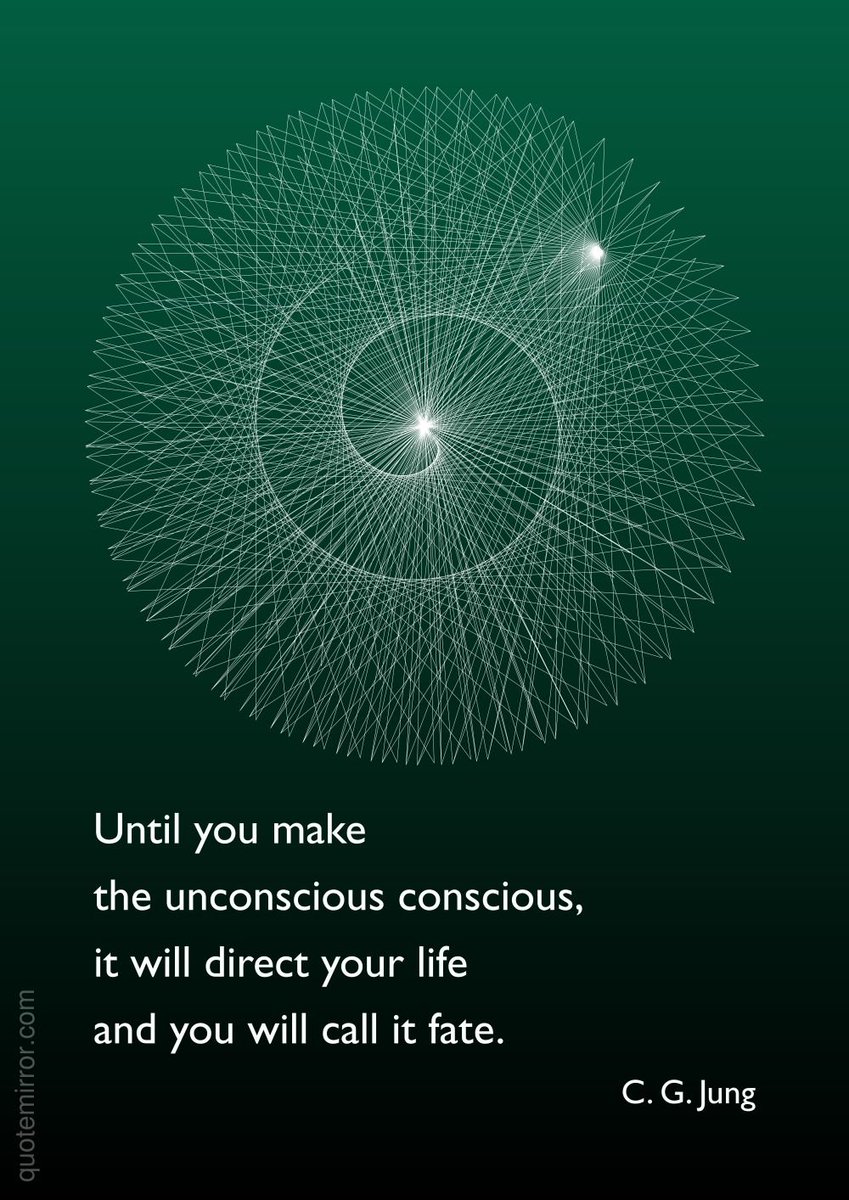
The Stoics warned against this 2,000 years ago. Seneca wrote: “It is not that we have a short time to live, but that we waste much of it.” Carl Jung said: “Until you make the unconscious conscious, it will direct your life and you will call it fate.” Both echo Tolstoy’s
Modern neuroscience confirms it. Chronic stress comes not only from external demands but from living inauthentically. When your actions are misaligned, the brain interprets this as a threat. → The amygdala fires → Cortisol floods your system → The body slowly breaks down
Psychologist Gabor Maté has shown the same pattern: People who suppress their truth for the sake of “being nice” or “doing what’s proper” get sick more often. Your immune system pays the price for dishonesty with yourself.
In my 20 years with clients, I've seen that living under constant "shoulds" and "have to's" leads to the nervous exhaustion Tolstoy described. How can you heed Tolstoy’s warning? Here are 3 practical steps combining modern stress science with timeless philosophy:
1/ Reclaim choice with your words Tolstoy’s Ivan lived by “shoulds.” Neuroscience shows the brain interprets this as threat → stress hormones spike. Flip it: say “I choose.” Every time you replace “I have to” with “I choose,” you reclaim agency and lower stress.

2/ Practice memento mori to sharpen focus Tolstoy’s tragedy was realizing death too late. Modern research shows reflecting on mortality reduces procrastination and trivial stress. Each morning, ask: “If today were my last, what deserves my energy?” Mortality will edit your
3/ Reset your nervous system daily Ivan ignored his body until it collapsed. Science shows recovery is biological, not optional. Do this quick reset: • 10 slow exhales • 3 physiological sighs • 1 minute of humming These cues tell your body: “Danger’s over.”
4/ The Extended Exhale Every breath is a lever. • Inhale normally • Double the length of your exhale • Repeat for 5–10 cycles This tells your nervous system: “You’re safe.” Cortisol drops, clarity rises.

If this feels familiar, you’re not alone. Modern neuroscience shows most people are stuck in the chronic stress loop—living for roles, expectations, and survival instead of choice, recovery, and truth. That’s why I built the 5-Day Chronic Stress Immunity Challenge™...
This took me 20 years to learn, in 5 days, I’ll help you: • Rebuild clarity, energy, and control • Interrupt the 5 triggers of the stress cycle • Rewire your nervous system for sustainable calm Join 217 others on the waitlist (20% off until Sept 6): https://www.matthewlabosco.com...
Most people try to outwork stress. But stress isn’t something you push through—it’s something you rewire. Follow @matthew_LaBosco to learn practical strategies that turn stress into strength.
@matthew_labosco Bookmarking this one for sure
@TheNPCEO Glad you liked it!
@matthew_labosco Thanks for sharing this important info!
@the_monk_ai Of course!
@matthew_labosco Really interesting perspective. I’ll check it out!
@sakhil_ai Glad you liked it!
@matthew_labosco @grok tell me about the bodily wonders of Tolstoy's Tatiana in Anna Karenina
@matthew_labosco Read War and Peace if you want to break free.
@matthew_labosco Great read. Thanks for sharing. 1/ Reclaim choice with your words Tolstoy’s Ivan lived by “shoulds.” Neuroscience shows the brain interprets this as threat → stress hormones spike. Flip it: say “I choose.” Every time you replace “I have to” with “I choose,” you reclaim
@matthew_labosco 3 & 4 are great tools that I use to reset my nervous system
@matthew_labosco @GeniusGTX Sorry, I'm busy. I'll reply shortly.
@matthew_labosco Living a life of authenticity does not mean you will make others comfortable.. those who are not able will leave .. allow them to, as long as you remain true to yourself.. not in arrogance but through love & acceptance
@matthew_labosco @grok summarise book in brief in marathi
@matthew_labosco @readwise save thread
@matthew_labosco @MindMatterMoney Escaping the matrix 💯
@matthew_labosco Thanks
@matthew_labosco @grok summarize this
@matthew_labosco Tolstoy, one of the most widely read authors worldwide with his writings, might have been a Muslim. His first encounter with Muslims occurred during his education in Kazan. During this time, he learned Turkish and Arabic, gaining the opportunity to understand Islam closely.