
Glycolysis makes 2 ATP. Respiration makes ~36 ATP. Hypothyroid people rely on Glycolysis. Healthy people rely on Respiration. 🧵Two people can eat the same food, SAME CALORIES—but one makes 18× MORE ENERGY. One stays cold, fat, and depressed. The other warm, lean, and happy.
Sounds exaggerated? It isn’t. The story of glycolysis (anaerobic) vs respiration is one of the most important, and forgotten, truths about health. It’s a story told by Nobel laureates Otto Warburg, Albert Szent-Györgyi, the thyroid doctor Broda Barnes, and later Ray Peat.

⚡ Two ways cells make energy: 1. Glycolysis → primitive. Breaks glucose into lactate. Yields just 2 ATP. 2. Respiration → advanced. Burns glucose fully in mitochondria with oxygen. Yields ~36 ATP. That’s a 15–18× ENERGY GAP.

Think of it like engines: Glycolysis = a smoky backup generator. Loud, dirty, wasteful. Respiration = a clean, humming power plant. Reliable, efficient, powerful. Healthy cells rely on respiration. Stressed or hypothyroid cells fall back on glycolysis.
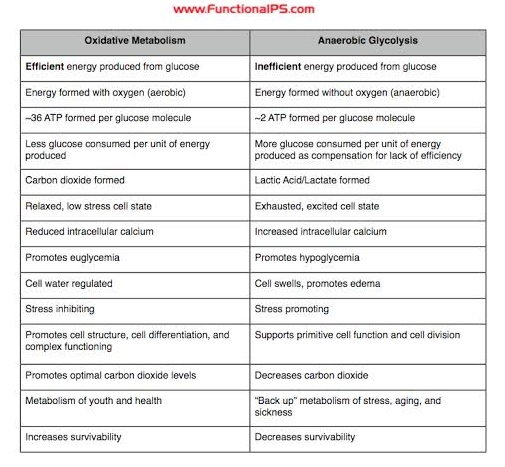
Otto Warburg stared at cancer cells and saw something shocking: They refused to breathe. Even drowning in oxygen, they clung to Glycolysis. He called this the Warburg effect.

Albert Szent-Györgyi went further: respiration wasn’t just about energy numbers. He thought respiration held proteins in a special electronic state—the difference between higher life and mere survival. Respiration = Vitality. Glycolysis = Decline.
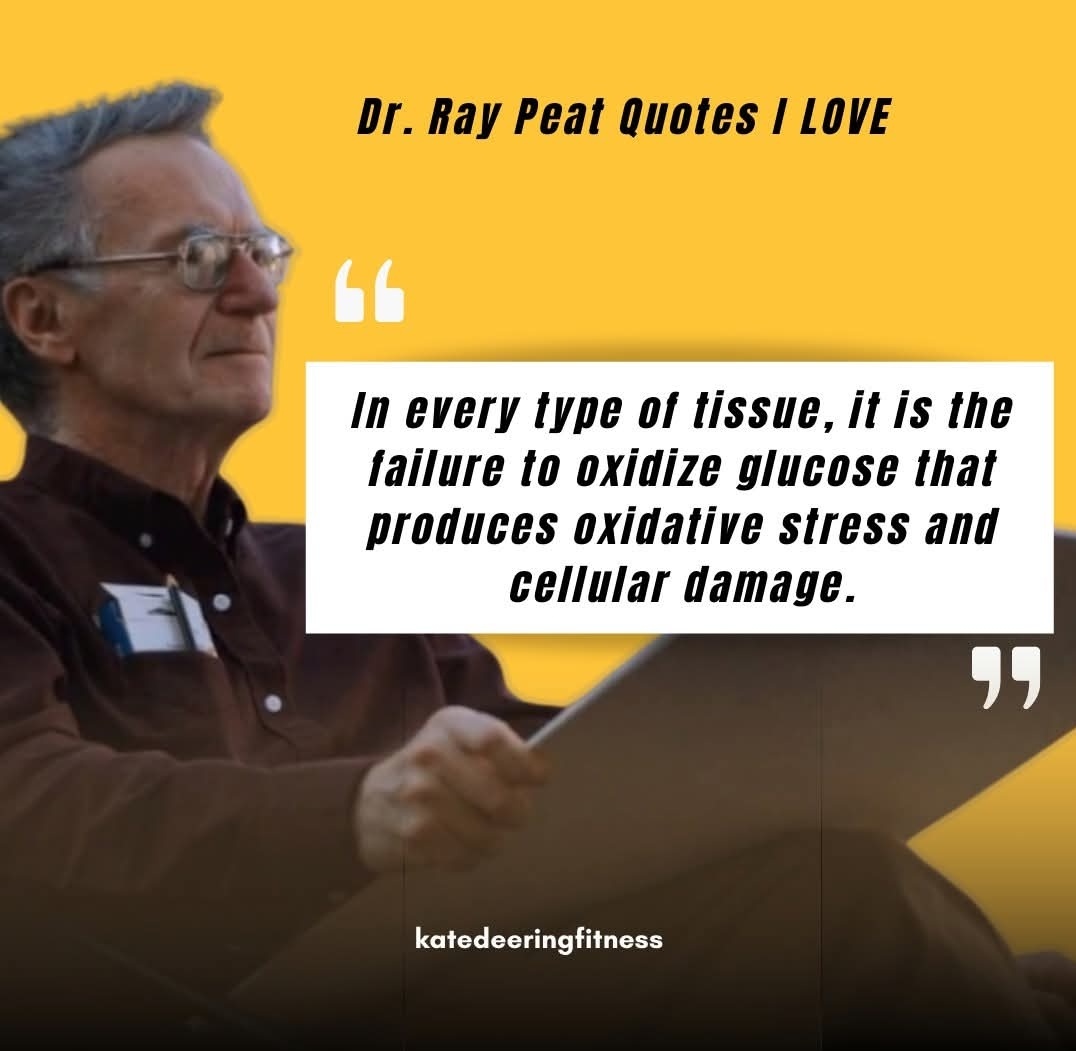
So what decides whether your cells run the dirty backup generator (Glycolysis) or the clean power plant (Respiration)? 👉 The master regulator is thyroid hormone (T3). T3 switches on mitochondrial enzymes, letting sugar actually enter and burn with oxygen.

But T3 isn’t the only factor. Respiration also depends on: >Oxygen (final electron acceptor) >Nutrients (B-vit, Magnesium, copper) >PUFAs/toxins (which can BLOCK mitochondria) >Stress hormones (which push cells toward glycolysis) T3 sets the gear, but the WHOLE System matters.
When T3 is low—or oxygen, nutrients, and redox balance fail—cells can’t respire. They fall back on glycolysis. 👉 Less ATP. Less heat. More lactic acid. That’s what Barnes meant when he said hypothyroidism is fundamentally a problem of respiration.

And this explains the classic “hypo” symptoms: Hair loss → follicles starved of ATP Cold intolerance → heat not produced Depression → brain cells stuck in glycolysis, serotonin builds Weight gain → fuel stored instead of burned Before vs After Thyroid Treatment
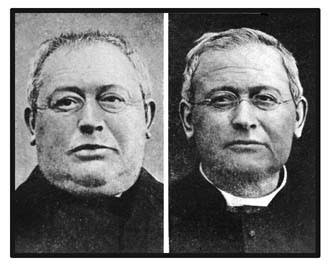
Meanwhile, the euthyroid person burns food cleanly: >Energetic and resilient >Warm and optimistic >Sharper mind >Leaner body Same diet. Same calories. Totally different metabolism.

This is the reason why when many hypothyroid patients fix their thyroid function and bring their body temperature to a normal 98.6F with T3+T4 they: >See hair growing back >Losing weight despite eating more >Memory, concentration and intelligence improve >Fatigue gone

To learn more about this in detail read this 🧵