
Why do some patients sleep 8–10 hours yet still wake exhausted? Because fatigue is not only about sleep duration, it reflects disrupted brain networks that leave the mind feeling foggy, unrefreshed, or in a state of hyperarousal. Here’s how to reframe fatigue clinically and
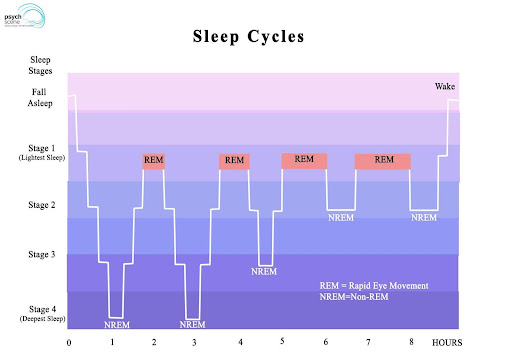
Fatigue is more than tiredness Patients describe: ● “My brain feels foggy.” ● “My body feels heavy.” ● “I’m wired but tired.” Fatigue is not laziness. It’s a neuropsychiatric symptom that reflects disrupted energy regulation across cognitive, emotional, and physical
Sleep architecture Fatigue often begins with sleep that looks adequate in hours but is broken in depth. Non-REM sleep: shallow, not restorative REM sleep: disrupted by hyperarousal Seen in PTSD, anxiety, ADHD, or chronic stress. Patients wake unrefreshed, “as if they ran a
Inflammation & dopamine Chronic stress, trauma, poor sleep, or infection trigger low-grade inflammation. This reduces dopamine transmission in the striatum and prefrontal cortex, leading to: ● Mental fog ● Reduced motivation ● Difficulty shifting focus This explains
Fatigue behaves like pain Neuroimaging shows fatigue activates the insula and anterior cingulate cortex, the same regions as physical and emotional pain. It is not a weakness. It is the brain protecting itself by limiting effort before the body collapses. 5/12 🧵
Psychiatric conditions Fatigue is central to: ● Depression → loss of drive, inner agitation ● ADHD → exhaustion from constant redirection ● PTSD/trauma → brain hyperalert, even in sleep ● Anxiety → the “wired but tired” paradox Different circuits, same symptom:
Wired & tired paradox Some patients don’t feel “slow” but restless. Agitation, pacing, irritability → reflect dysregulated arousal. The brain burns through dopamine and noradrenaline, leaving patients simultaneously hyperactive and depleted. 7/12 🧵
Diagnostic hierarchy (1) Before labelling fatigue as “psychological”: ● Check iron, thyroid, B12, folate, vitamin D ● Rule out autoimmune and post-viral syndromes ● Screen for sleep apnoea and metabolic causes These often masquerade as psychiatric fatigue. 8/12 🧵
Diagnostic hierarchy (2) Next, assess substances and medication: ● Alcohol → fragments REM sleep ● Caffeine → disrupts deep slow-wave sleep ● Stimulants → dopamine surge then crash ● SSRIs/mood stabilisers/antipsychotics → sedation or blunted dopamine signalling
Four clinical steps (Lane 1–2) 1. Calm hyperarousal → sleep hygiene, CBTi, trauma therapies, prazosin, clonidine, gabapentin. 2. Support prefrontal cortex → modafinil, bupropion, stimulants, atomoxetine. Address iron, vitamin D, and thyroid. Goal: restore depth of sleep and
Four clinical steps (Lane 3–4) 3️. Reconnect reward circuit → behavioural activation, pleasure/mastery tracking, light therapy, NAC. 4️. Correct developmental wiring → body-based safety therapies (somatic, breath work), schema/ACT for perfectionism or trauma patterns.
Still tired after “enough” sleep often means disrupted circuits, not poor willpower. To refine your clinical approach to sleep and psychiatry, explore our course, “Sleep and Psychiatry: Neuropsychiatric and Precision Approaches with Dr David Cunnington” on The Academy:
@psycheureka Is there a reason you are using the word fatigue and not sleepiness? Fatigue and sleepiness may be presented interchangeably in patient lexicon. but they are not synonymous.
@matthorsnell There are not synonymous. In this post Sleepiness = biological pressure to sleep. Fatigue = lack of energy without sleep drive. It often comes with cognitive and physical fatigue
@psycheureka PEPTIDE treatments help restore brain balance and reduce fatigue
@psycheureka Absolutely, sleep quality often plays a more crucial role than sleep duration when it comes to feeling refreshed. Disrupted sleep cycles, stress, and even nutritional imbalances can interfere with restorative sleep. Exploring questions around lifestyle, mental health, and even
@psycheureka @readwise save thread
@psycheureka Disrupted brain networks Bet that can t be caused by drugs used in psychiatry