
Here's a detailed list of gene mutations that are actually worth understanding if you struggle with chronic health issues such as: -Cardiovascular disease -Anxiety -Depression -ADD/ADHD -Kidney disease -NAFLD -Miscarriages -Chronic fatigue -Alzheimer’s -Skin issues related to
*Standard disclaimer that nothing in this thread should be used as a substitute for medical advice* It's George. Now of course from the get go, let's state that all of us have differences in our DNA by default and thus genetic variations. But while some of these can be benign,
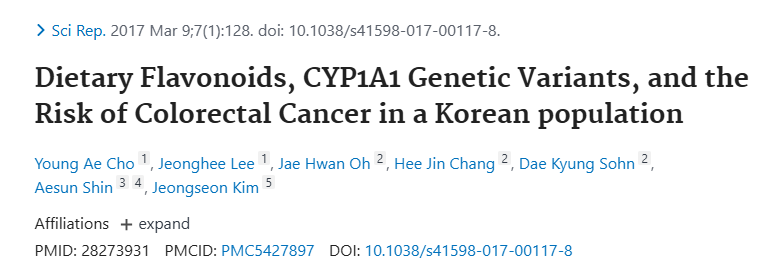
If you are skeptical and think that genes determine everything, let’s look at two studies. Dr. Parviz did an experiment where he studied 738 women who had mutations in the BRCA1 and BRCA2 genes. BRCA1 and BRCA2 are short for breast cancer gene 1 and breast cancer gene 2. We
Now in a nutshell: genes are specific sections of DNA (the molecule DNA that serves as the hereditary material in nearly all living organisms). Now inside every cell of your body, there is something called a nucleus, which is the cell's brain. The DNA is found inside of it and
So genes are tiny pieces of code inside every cell of your body telling it: -How to work -How to grow -How to repair itself -How to pass traits to your kids So genes greatly control your hair color, height, eye shape, how well you handle stress, and what diseases you're more
Now in this thread, we will discuss the following: -COMT -MTHFR -HFE -APOE -AGXT -Lp(a) -BChE -DAO -F5 -F2 -PCSK9 -MAO First up, we have COMT or Catechol-O-Methyltransferase. The catechol-O-methyltransferase enzyme is encoded by the COMT gene and its job is to break down
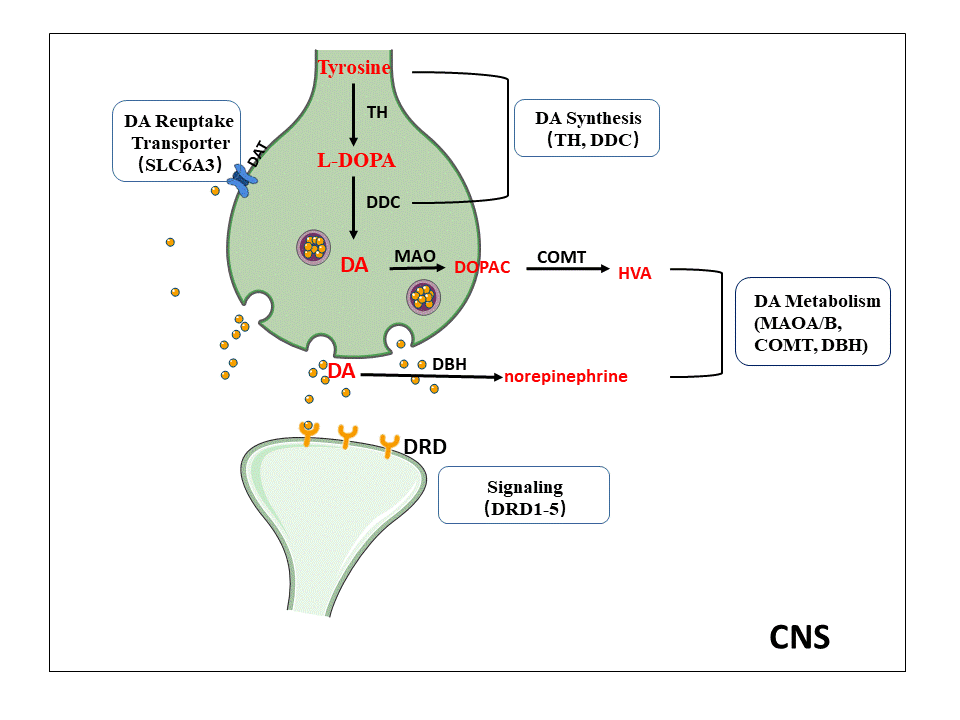
In case you have it, you will either have: Slow COMT (met/met) (catecholamines don't clear out fast which increases the risk for an overload and this even cancer (remember that's also responsible for catechol estrogens)) Fast COMT (val/val, G/G) (catecholamines clear out

Now let’s talk about MTHFR. MTHFR, which stands for methylenetetrahydrofolate reductase, is an important enzyme that helps with chemical reactions in the body, specifically by turning one form of folate into another (this is called a reduction reaction). In order to better

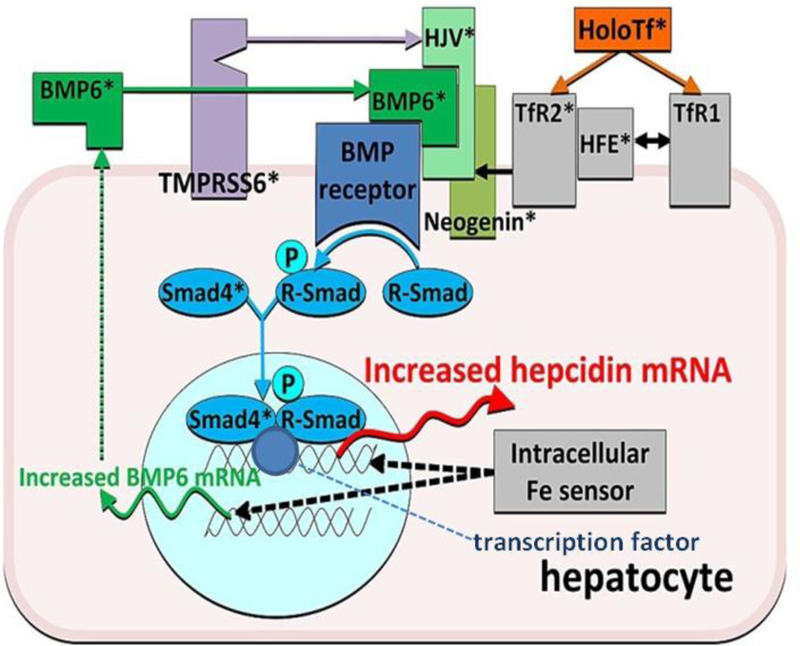
Now let’s move on to HFE, aka the hemochromatosis gene (C282Y or H63D). This is such as overlooked factor for people who struggle with low free testosterone, cardiovascular disease, chronic fatigue, joint pain and overall liver issues. The initials of HFE gene stand for High
Now let’s talk about APOE4 mutations. The apolipoprotein E protein plays a critical role in transporting cholesterol and other lipids in the brain but also the blood and is crucial for lipid metabolism overall. Now the APOE4 variant is associated with specific health

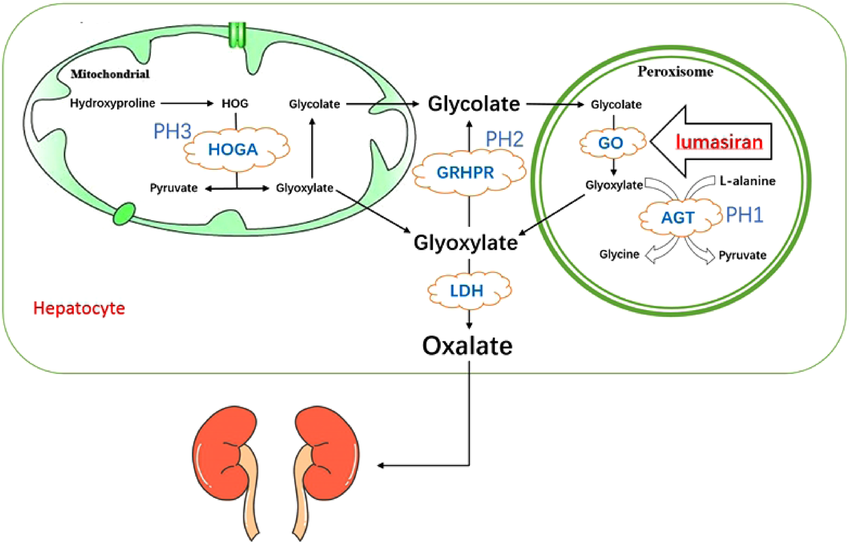
Proceeding to AGXT or Alanine-Glyoxylate Aminotransferase. Why is this important? Well, this gene basically controls how your body handles glyoxylate, a compound that can become oxalate. Specifically, the AGXT gene gives instructions for making the enzyme alanine-glyoxylate
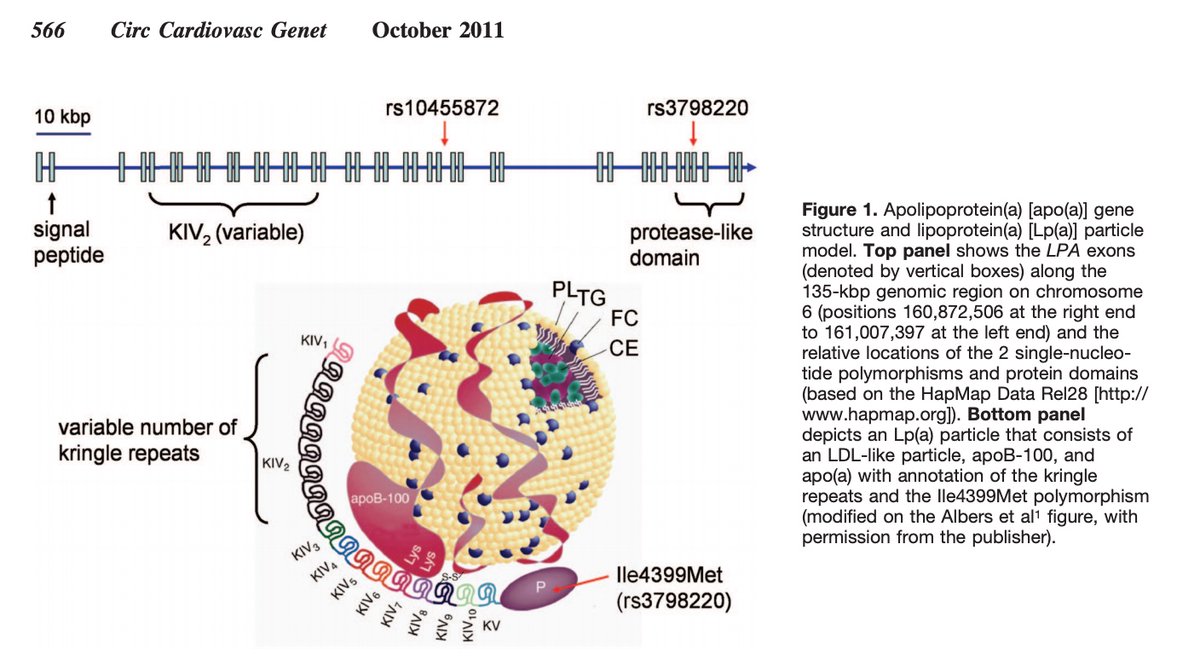
Let’s move on to Lp(a). This unique protein plays an important role in blood clotting and is essential for heart health. ApoA1 for example, helps remove cholesterol from blood vessels and take it to the liver to be processed and eliminated. So it’s not harmful when it exists
Heading over to BChE, or Butyrylcholinesterase. Butyrylcholinesterase is a vital enzyme that lives in your bloodstream, quietly doing an essential job: breaking down certain chemicals, medications, and neurotransmitters in your body. It’s especially important when it comes to

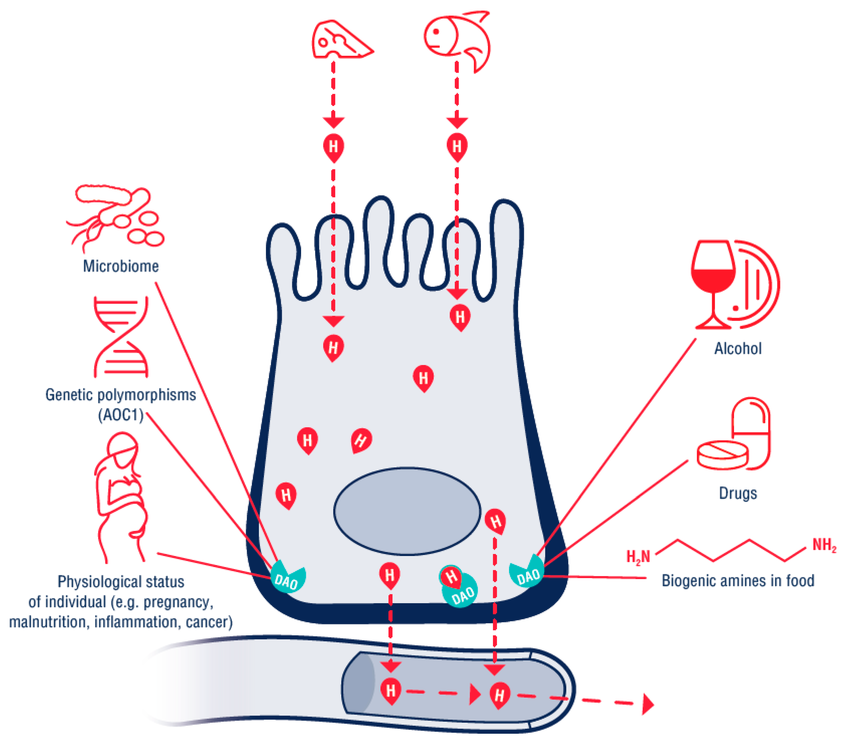
Now let’s dive deep into another very interesting and important gene, DAO. Diamine Oxidase is an enzyme your body uses to break down histamine, especially in your gut. It’s made thanks to the AOC1 gene and helps your body handle histamine coming in from external things like
Now let’s talk about two very important proteins that if mutated, could lead to severe cardiovascular issues. First, let’s go with F5. Factor V is an important protein in your blood clotting system that plays a key role in creating blood clots. It works as a cofactor in the
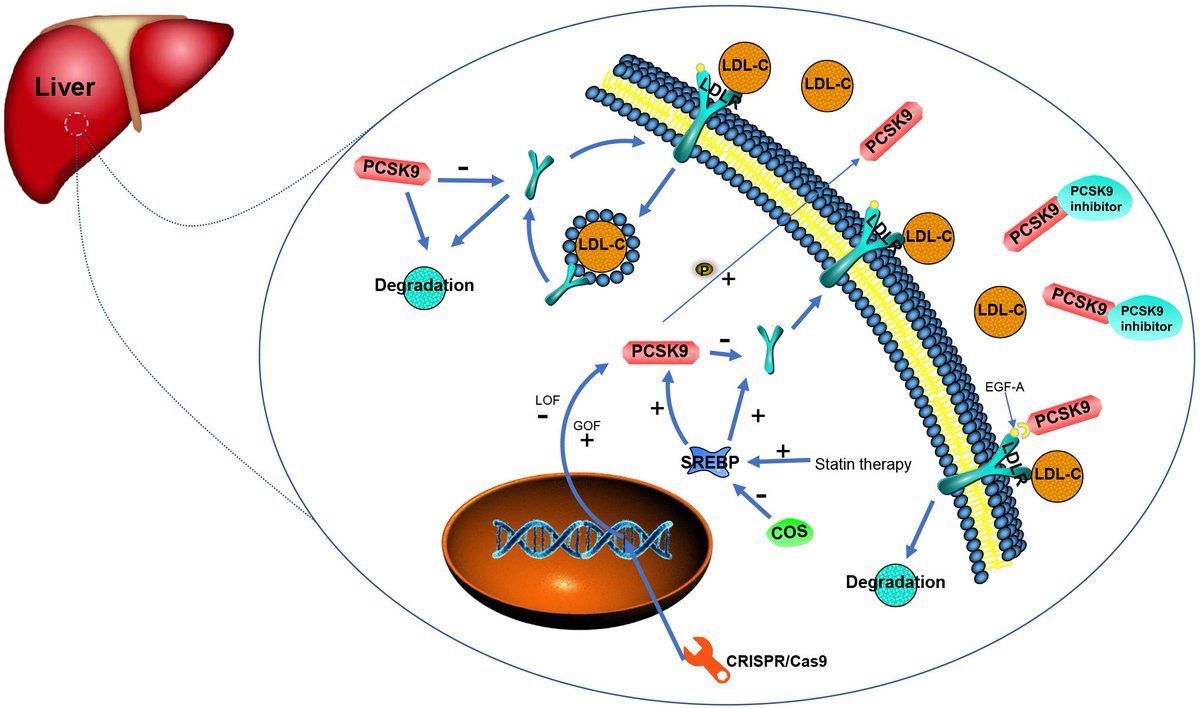
Let’s talk about PCSK9. Proprotein Convertase Subtilisin/Kexin Type 9, or PCSK9 for short, is a protein in our bodies that regulates cholesterol balance by controlling the number of low-density lipoprotein (LDL) receptors on cell surfaces. These receptors are responsible for
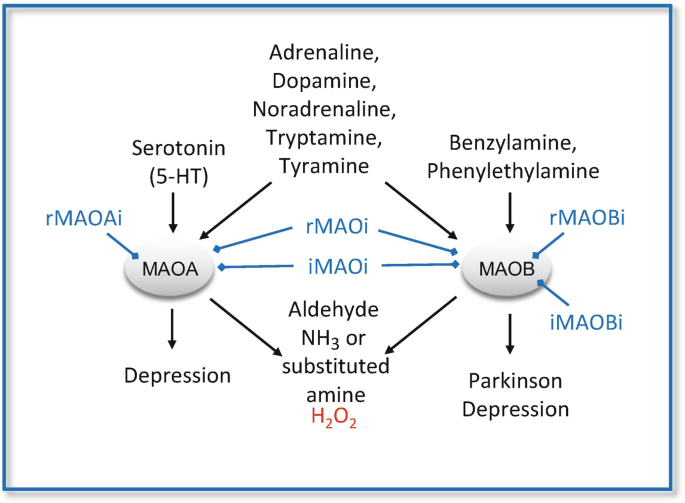
Now let’s talk about MAO. Monoamine oxidase enzymes are mitochondrial enzymes that catalyze the oxidative deamination of amines (including neurotransmitters and dietary xenobiotics) converting them into aldehydes, ammonia (NH₃), and hydrogen peroxide (H₂O₂). For example,
That was it. I hope that you found this thread interesting and helpful. If you did, make sure to leave a like/RT. https://x.com/Helios_Movement/...
For more: https://fitandball.gumroad.com...