
Your pet might be protecting your brain in ways you never imagined. University of Alabama researchers compared pet owners to non-owners. The 86 brain scans shocked them. Here's what the study uncovered (& you might just want a pet soon):

The study included 95 adults aged 20 to 74. • 56 were pet owners • 39 were non-owners They underwent cognitive tests and 86 got MRI brain scans. The associations were striking:
Pet owners scored higher on specific cognitive measures: • Processing speed tasks • Attentional orienting tests • Story memory recall • Verbal memory performance The brain scans revealed even more:
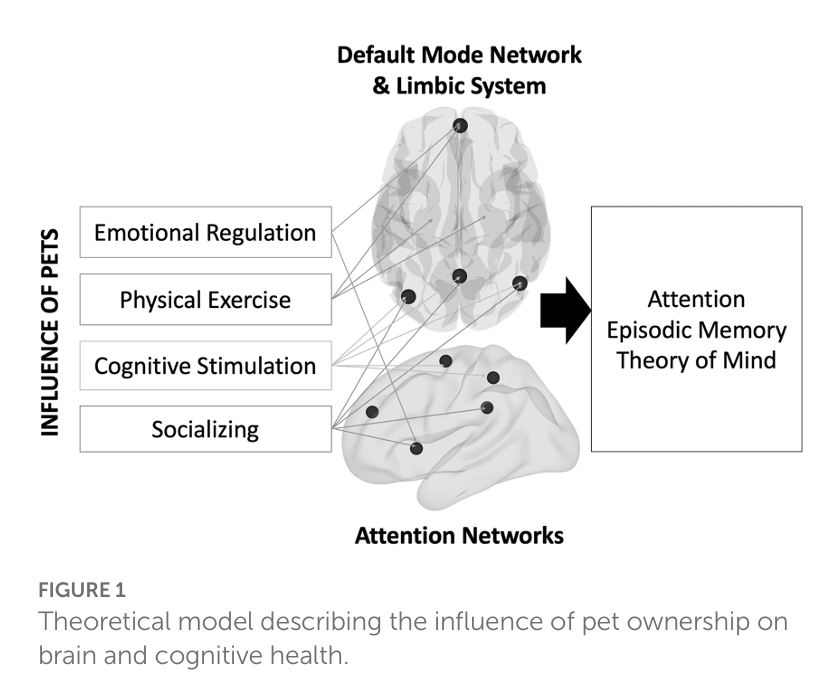
Pet owners showed larger brain structures in 6 networks: • Dorsal attention A (focus and concentration) • Ventral attention (alertness) • Limbic regions (emotion and memory) • Default mode network (self-awareness) These differences appeared across volume, surface area, and

Researchers calculated each person's "brain age" using all cognitive and brain measures. Pet owners' brains appeared up to 15 years younger. But one group stood out above all others: Dog owners:
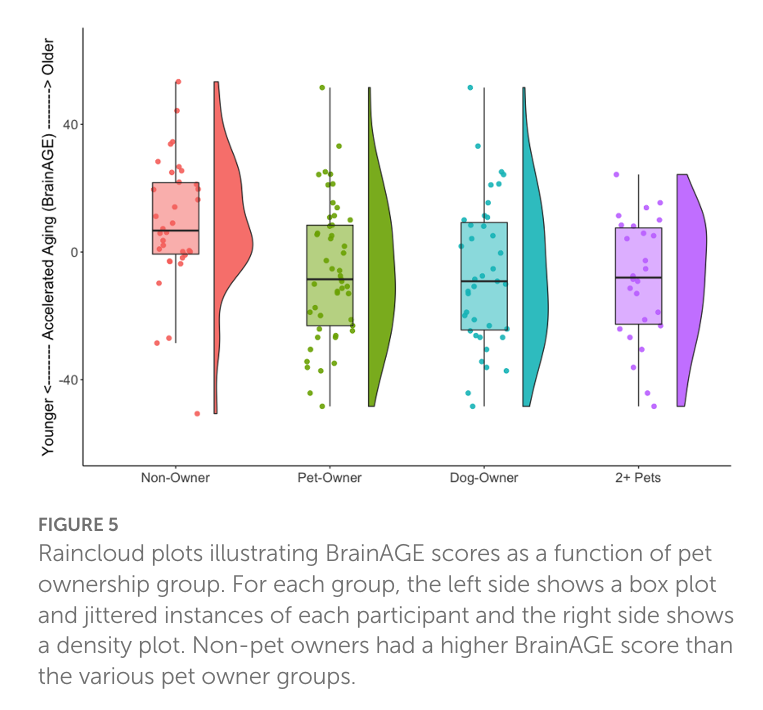
They showed the strongest associations: • Highest cognitive scores • Largest brain volumes in all 6 networks • Additional hippocampal volume increases • Best episodic memory performance And people with multiple pets had additional benefits:

• Better story memory performance • Older adults showed greater cortical thickness Because of more cognitive demand from managing different animals Yet researchers discovered something unexpected:

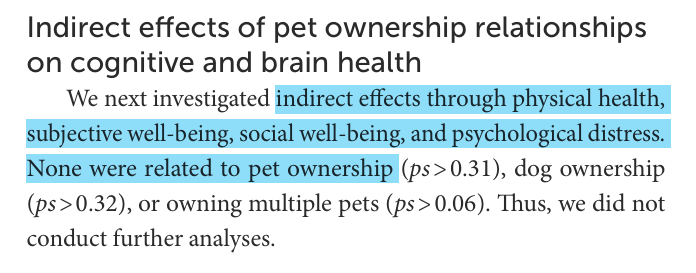
Surprisingly, the associations weren't explained by: • Increased physical activity • Better social connections • Improved emotional well-being The brain benefits appeared directly linked to pet care itself.
Important caveat: This was a cross-sectional study, not longitudinal. We can't be 100% sure pets were the sole reason for brain benefits. Maybe healthier brains choose to get pets. But 15 years of brain age difference is substantial.
The researchers suggest pet care engages multiple cognitive processes: • Working memory (feeding schedules) • Attention (reading behavioral cues) • Executive function (planning care) • Theory of mind (understanding pet needs) Daily mental engagement that may protect the
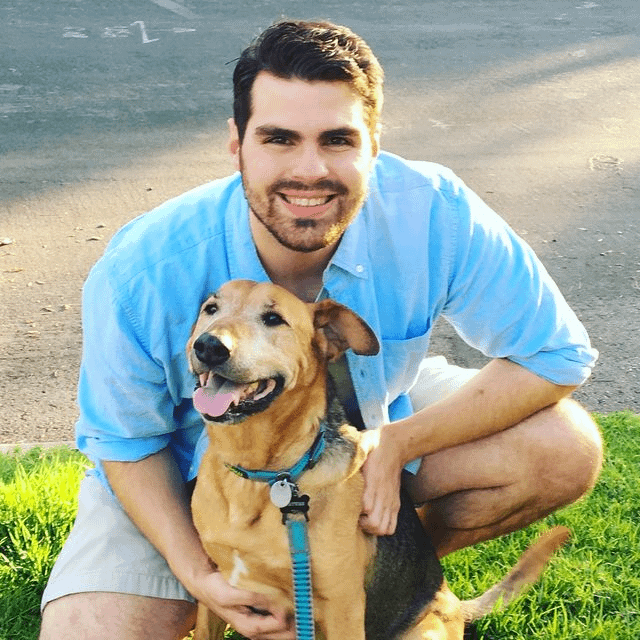
For me, having 2 dogs transformed more than my brain. The daily purpose. The forced mindfulness. The unconditional connection. Maybe they're not just companions, they're protecting our minds one walk at a time. P.S. That is me as a baby with my first dog ever, Sport

This study hit close to home. Years ago I rescued a stray named Arturo: frail, sick, and aging too fast. Through care, nutrition, and targeted supplements, he made it nearly 17 healthy years. That journey is what led me to start Arterra Pet Science.
What I did for Arturo took 40+ supplements & ~$500/month. At Arterra, we've turned that science into ONE simple daily protocol, at a fraction of the cost and zero prep time. Use code BIOHACK35 for 35% off your first subscription of our adult soft chews: https://bit.ly/4eUkghO
Your dogs give you everything: love, loyalty, joy. You owe them more than just years. You owe them good years. Arterra brings human-grade longevity science to the animals we love most. Read the thread below for Arturo's story:
For the full study: Pet ownership is associated with greater cognitive and brain health in a cross-sectional sample across the adult lifespan: https://www.frontiersin.org/jo...
China banned crypto. Then found a $1.7B workaround. JD and Ant Group are creating a digital yuan that never leaves China yet trades globally. How 2 Chinese giants could challenge dollar dominance:

David Lauren just admitted the unthinkable on their latest product: "The first experiences won't be optimal." Yet Ralph Lauren is launching AI fashion advice anyway. Here's why every brand will copy this in 6 months:⬇️

Novartis just dropped $1.4B on a biotech most people hadn’t heard of two years ago. Here is why this deal could reshape cardiovascular medicine:

The bigger the team, the bigger the chaos— Here’s how to fix it: Team conversations break down fast: 🔹3 people = 3 lines. 🔹13 people = 78 lines. Add one person, add a pile of confusion. Unless you learn to lead through clarity. Want your team to move faster? You don’t need
