
We just CT scanned 1,000 lithium-ion batteries from 10 brands to see how they compare inside. The differences we found are enormous, and point to serious safety risks in off-brand batteries that can easily make their way into the supply chain. Here’s what we saw… 🧵
Can you spot the differences between these two batteries? One is a legitimate Samsung cell; the other is a counterfeit. It’s marked with a Samsung-style part number and feels well-made.
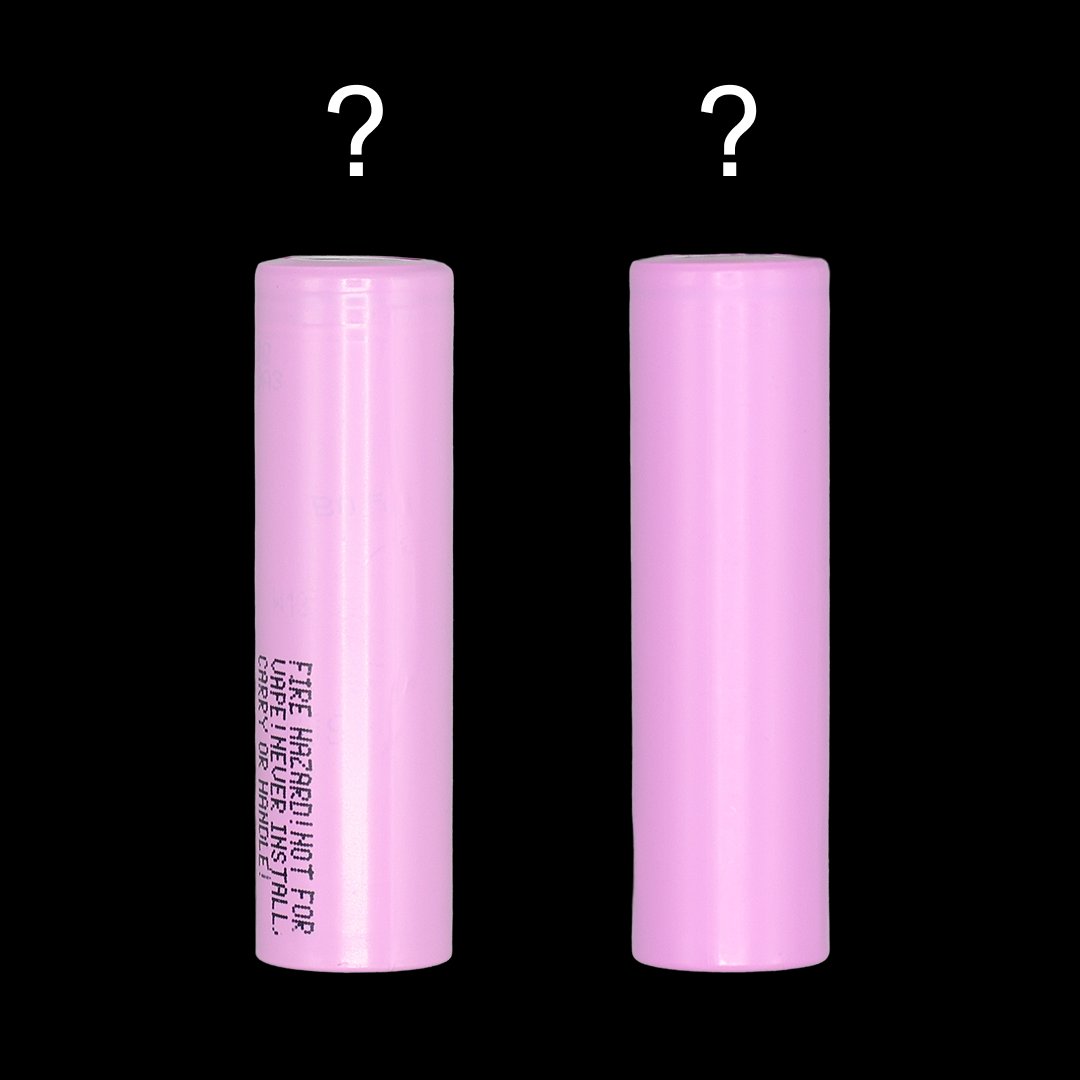
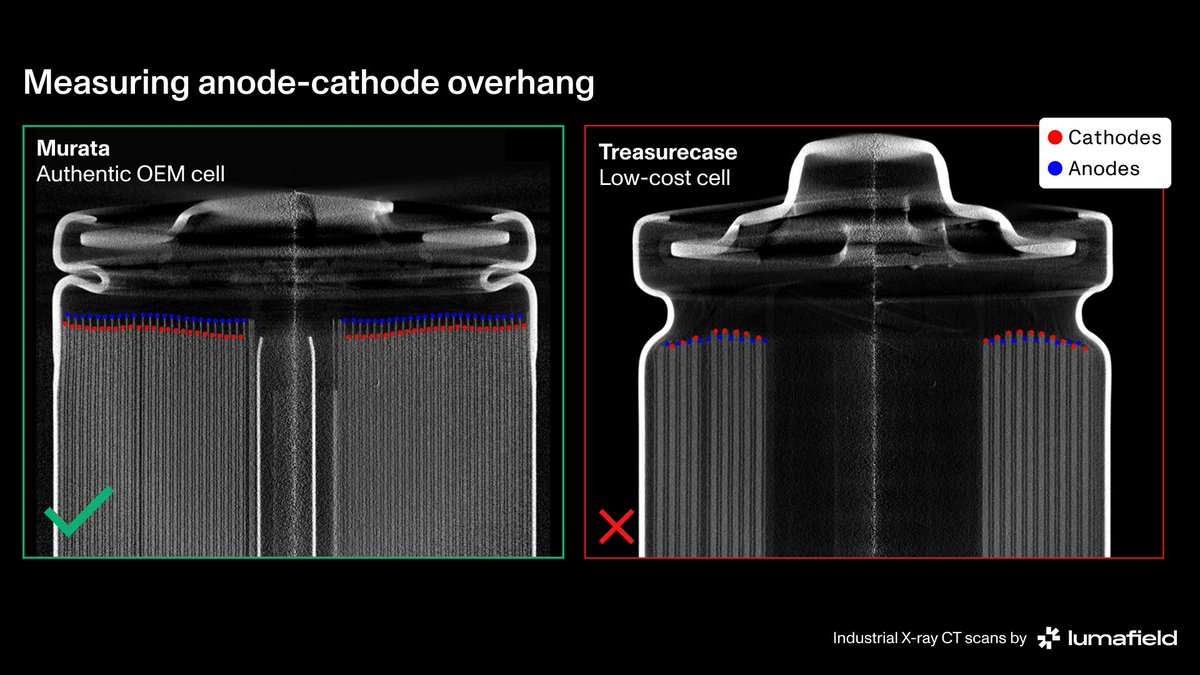
@Samsung But inside, these cells are completely different. Our @lumafield X-ray CT scans reveal that the Samsung cell has consistently high quality; its anode layers overhang the cathodes evenly. The counterfeit is a battery fire waiting to happen.
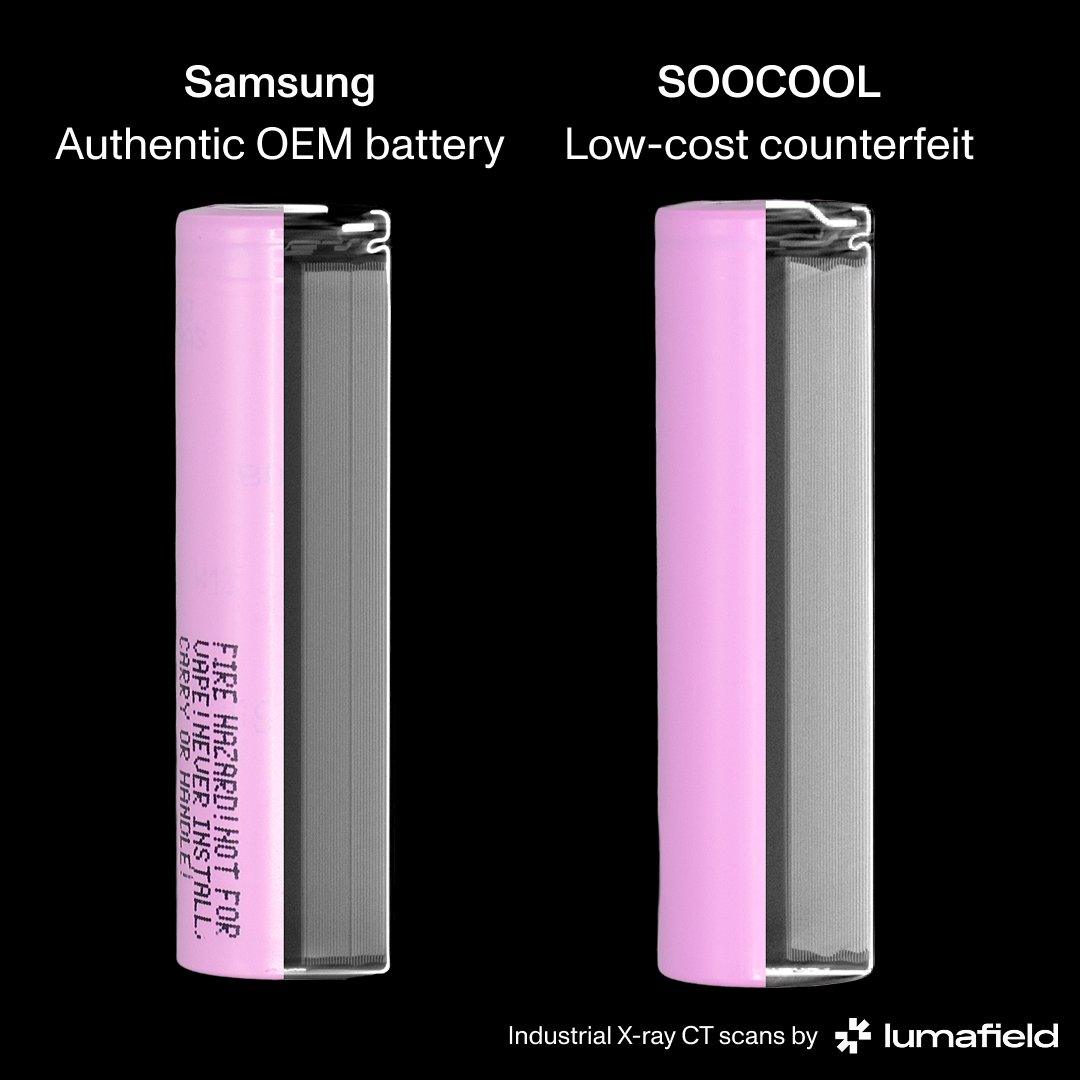
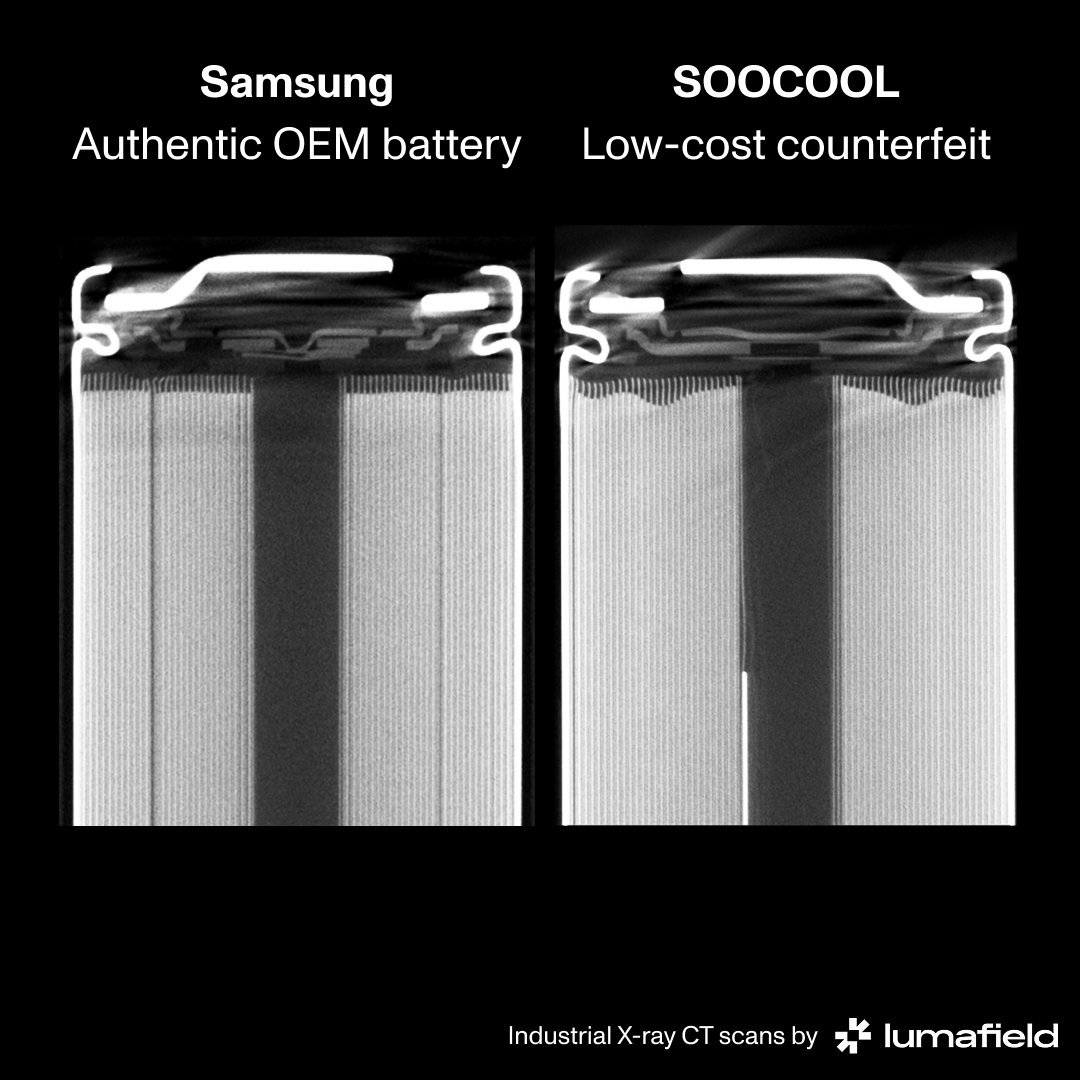
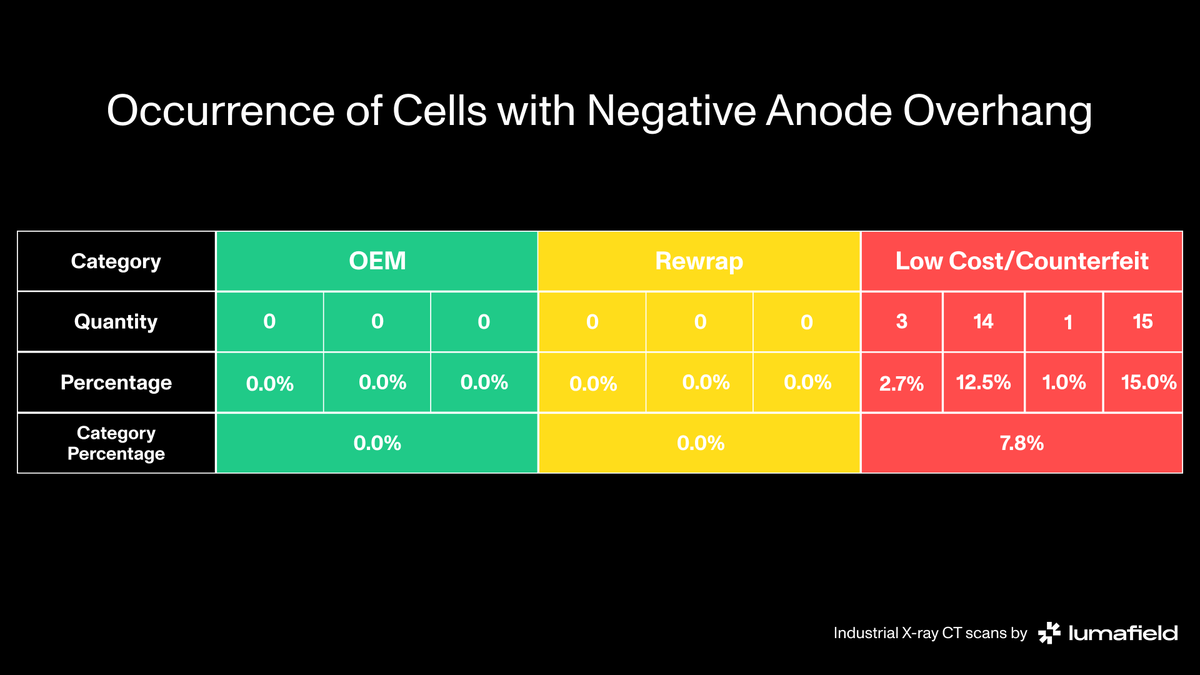
@Samsung @lumafield In batteries, low quality doesn’t just mean poor performance; it means lethal fires. The low cost/counterfeit cells we scanned had 7x lower quality overall. Worse: 8% of them had a dangerous defect called negative anode overhang! 0% of the name-brand OEM cells had this defect.
@Samsung @lumafield I’ll summarize what we found in the thread below. But if you want to skip ahead and read our full report, you can download it for free here: https://www.lumafield.com/batt... Now, continuing with the thread…
@Samsung @lumafield Cylindrical Lithium-ion batteries are made by coating thin foils with anode and cathode materials, then winding these layers with a separator in between like a jelly roll. This winding process must be tightly controlled.
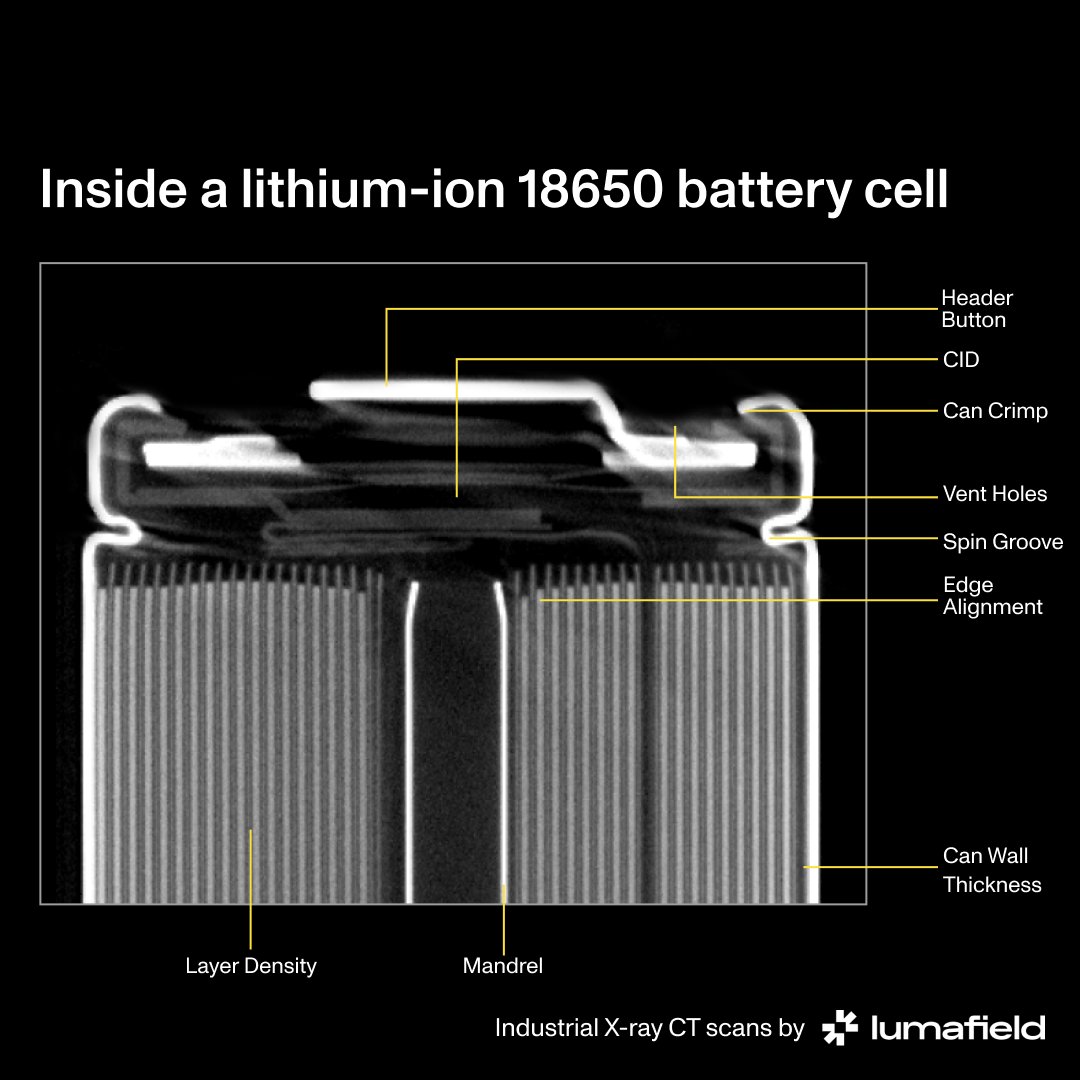
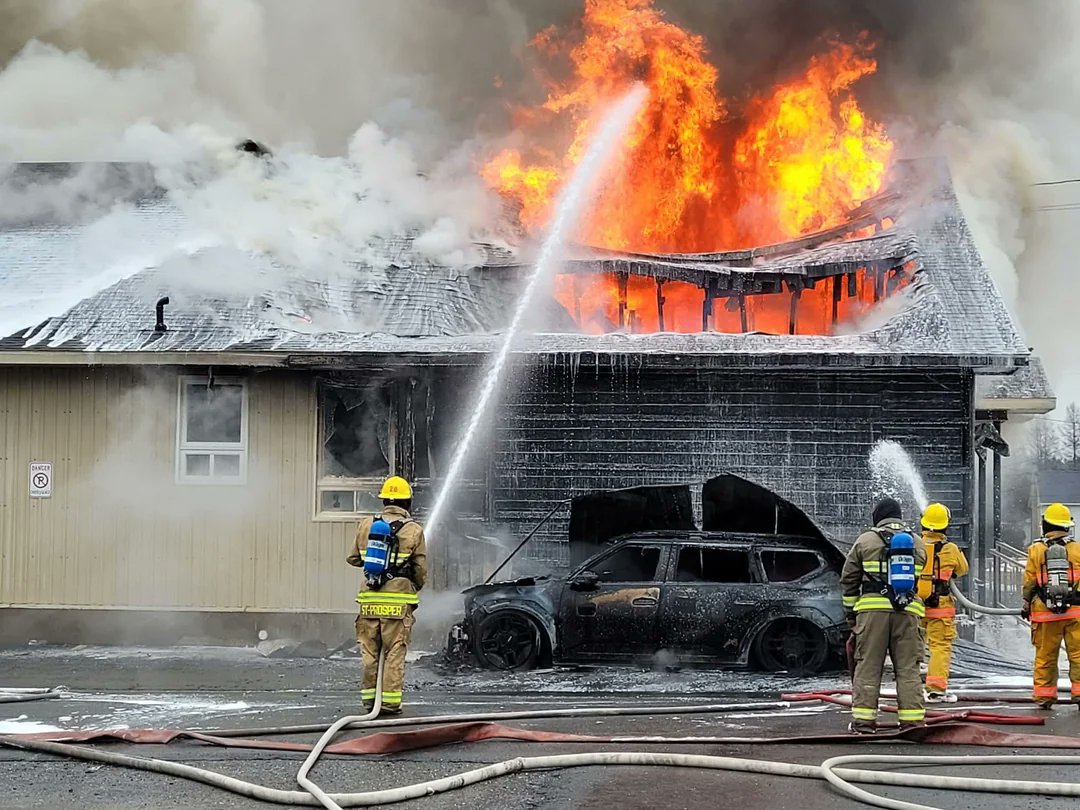
@Samsung @lumafield The stakes are high. Lithium-ion battery fires are deadly, and they’re caused by tiny defects like the ones shown in our scans of low cost/counterfeit batteries.
@Samsung @lumafield The main quality metric we use is anode-cathode overhang (ACO). Uneven ACO creates unpredictable current distribution, leading to lithium plating, dendrite growth, accelerated aging, gas generation, and ultimately shorts or thermal runaway, which can lead to catastrophic fires.
@Samsung @lumafield We CT scanned 1,054 batteries with a @lumafield CT scanner: 300 from high-quality OEMs (Samsung, Panasonic, Murata), 424 from counterfeit/low-cost brands we got on Temu and Amazon, and 330 from “rewraps” which are cells of unknown provenance that get relabeled in the grey market.
@Samsung @lumafield Among the 1,054 batteries we scanned, 33 exhibited negative anode overhang, a serious manufacturing defect that significantly increases the risk of internal short-circuiting and fires.
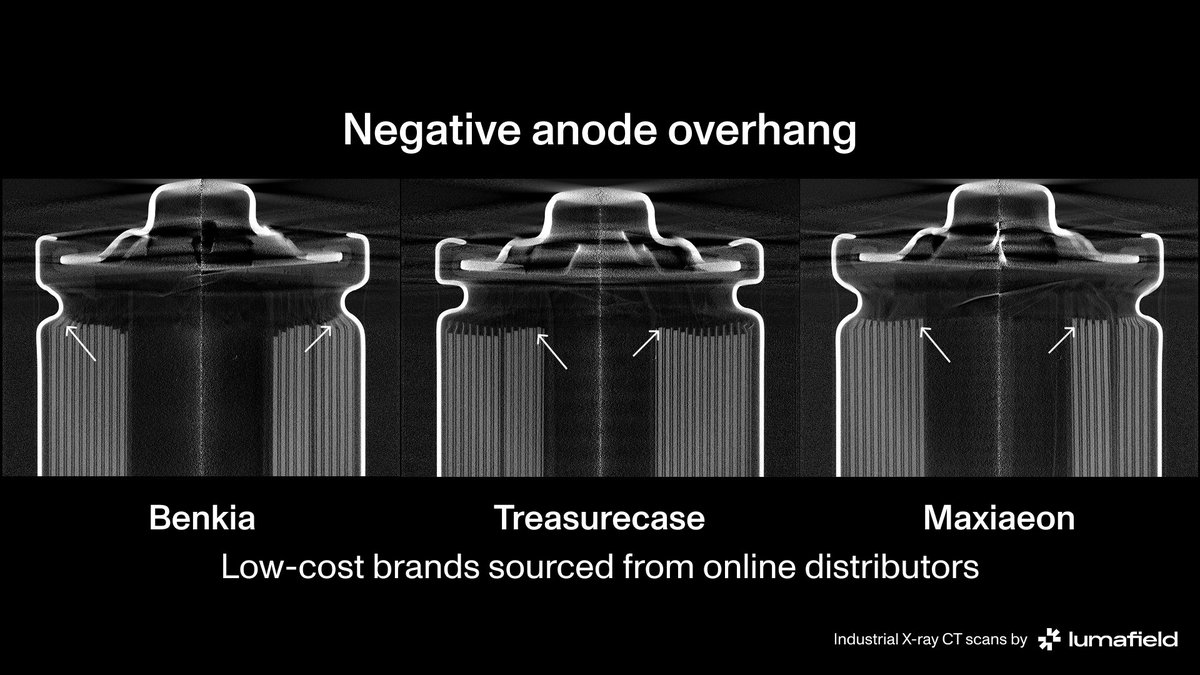
@Samsung @lumafield While none of the brand-name batteries we scanned had negative anode overhang, this dangerous defect was present in nearly 8% of the low-cost or counterfeit batteries we sourced on Temu and Amazon–and 15% in one brand! (I’ll say more about “Maxiaeon” later.)
@Samsung @lumafield Cells like these are everywhere, and it’s easy for consumers to buy them. (Some of their most avid users are people who modify their own vaping equipment. DO NOT put these in your face and try to draw 20 amps!)
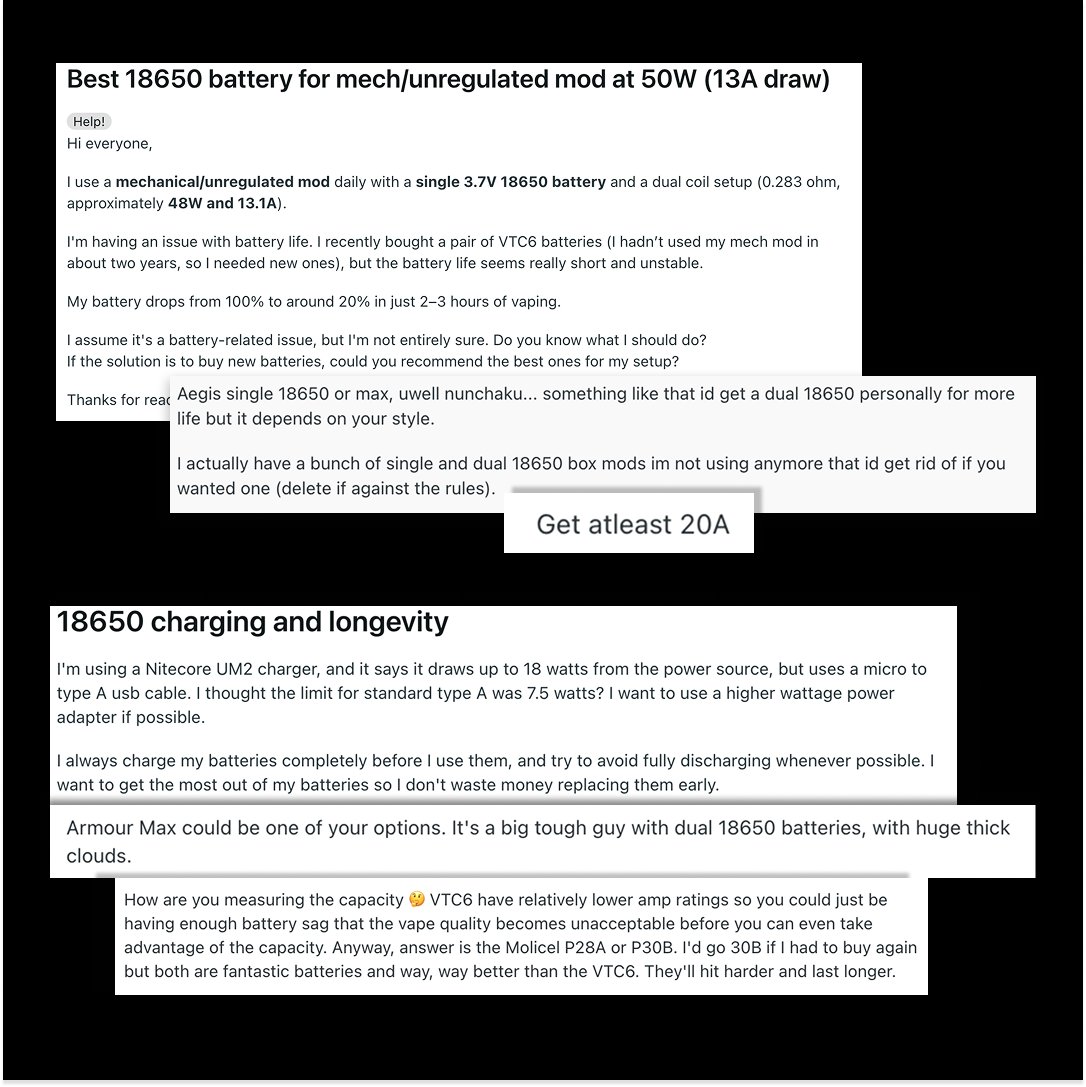
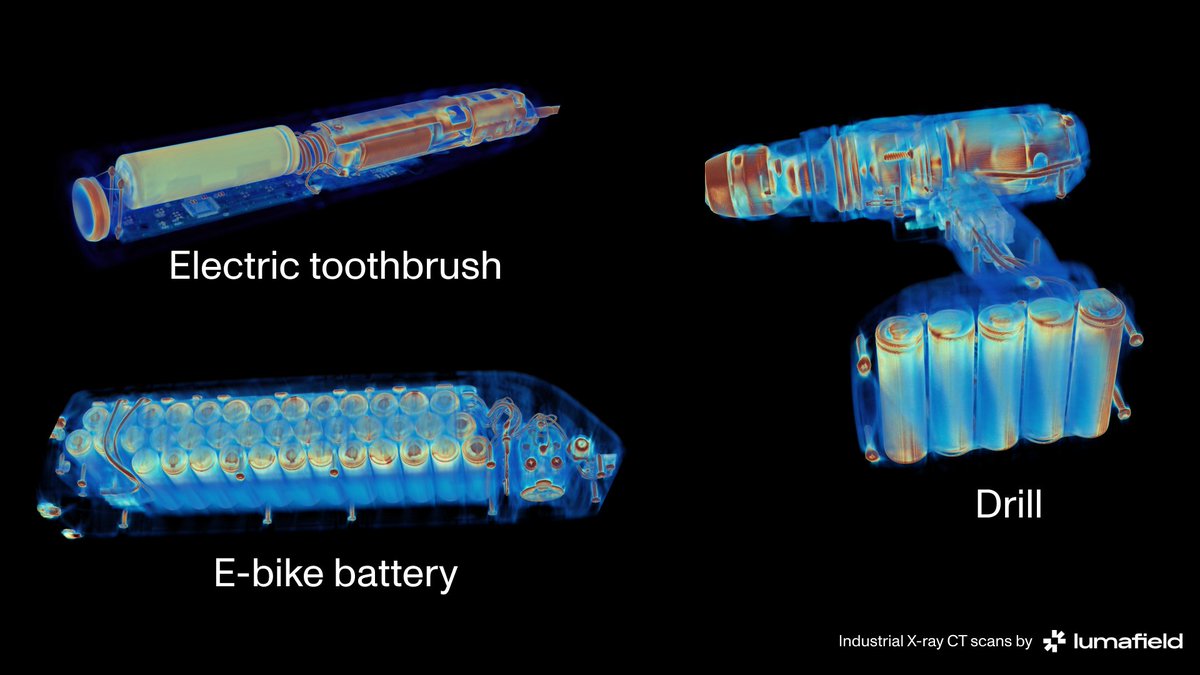
@Samsung @lumafield @Reddit They can also make their way into the electronics supply chain. 18650 cells are ubiquitous–consumer electronics, medical devices, even some EVs. And consider that while a single bad cell is dangerous, many products have multiple cells. This e-bike battery pack we scanned has 39!
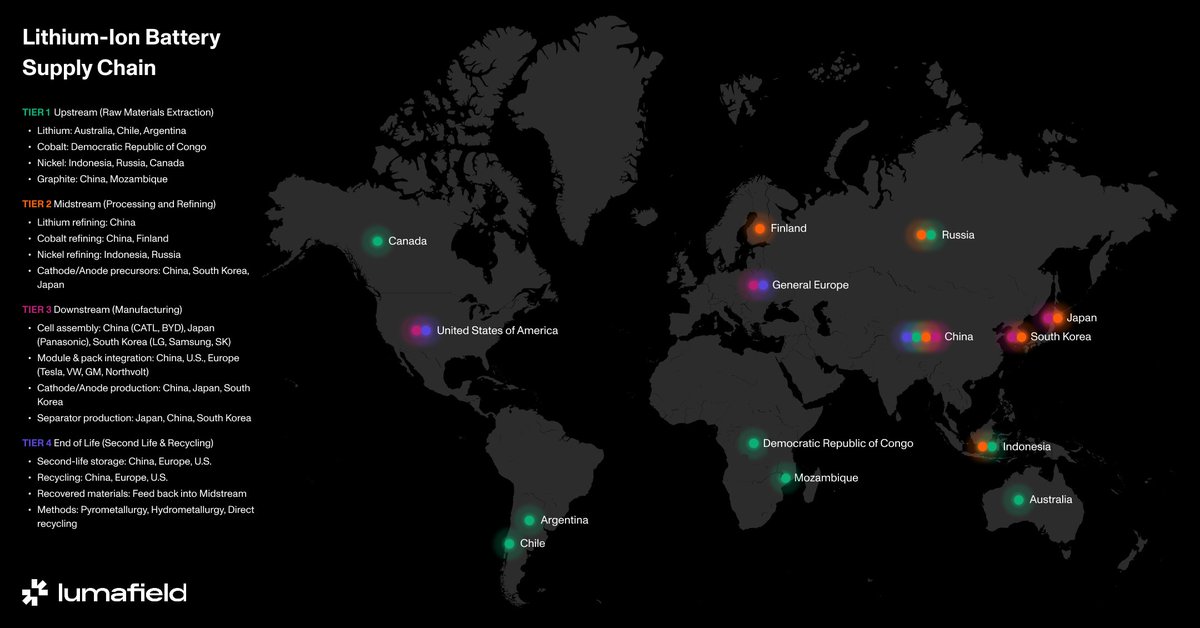
@Samsung @lumafield @Reddit The battery market is enormous and it operates under high cost pressure. And things are getting worse: add on the supply chain chaos caused by the current tariff war and you get an environment that incentivizes grey-market activity and misleading product labeling.
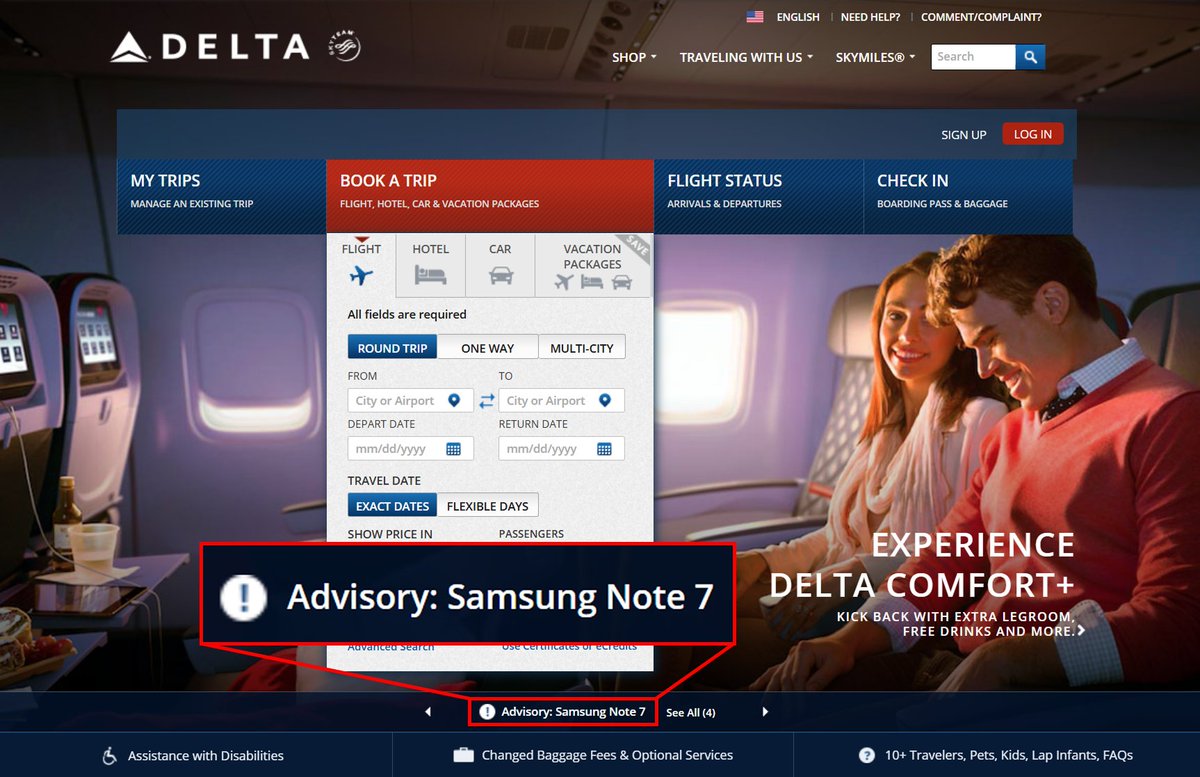
@Samsung @lumafield @Reddit For manufacturers, defective batteries can mean recalls, years of lawsuits, and loss of trust. Imagine seeing your product on the homepage of every airline like this.
@Samsung @lumafield @Reddit @Delta We’ve detailed all of our findings in our new Battery Quality Report, which you can download for free right here: https://www.lumafield.com/batt... You can't just take an online distributor's word for the quality of batteries; you need to look inside them yourself!
@Samsung @lumafield @Reddit @Delta If you've read this far, you might enjoy this desktop wallpaper from @lumafield.
@JonBruner @threadreaderapp unroll
@JonBruner @threadreaderapp unroll
@JonBruner Wow, 1,000 batteries scanned? That's a whole lotta CAT scans... and also kinda weird
@JonBruner Important work, commenting to boost the reach
@JonBruner I've had a Motorola phone for 10+years. I've never had a problem, nor have I heard of a problem. I'll stick with Motorola. Gracias
@JonBruner I don’t mess with off brand batteries or off brand charging blocks. Way too dangerous to have in your home
@JonBruner Can't tell a book by its cover.
@JonBruner Excellent. Thank you VERY much.
@JonBruner What's truly harrowing for anyone living in an apartment complex or other multitenanted accommodation is that all of your neighbours could possibly have hundreds of these shitty cells in their e-bikes, charging all day, every day.
@JonBruner Very helpful. Thank you. ✨
@JonBruner @threadreaderapp unroll
@JonBruner Now do CATL
@JonBruner @grok this is a bullsjit ad right
@JonBruner Lithium-ion batteries are generally allergic to "radiation". Assuming you did not have any undisclosed battery fires, we could assume x-rays seem not to be the leading radiation factor. These batteries don't like to fly because of "radiation" exposure. But no one "knows" that.
@JonBruner Thanks man, that highlights why you only buy batteries from reputable sources.
@JonBruner Isn't the inverse also possible: >its anode layers overhang the cathodes evenly Why not let the cathodes overhang the anodes? Shouldn't the underlying requirement for safety be "anode and cathodes don't touch"? Like: do it one way or the other way, just have a different length
@JonBruner The solution is to make supper quality batteries that have trustworthiness at a cheap price.But the greed of these companies,especially Samsung is never going to make that a http://reality.Samsung still will not compensate families when they died at their wafer factories.
@JonBruner Oké show some results , ambient temperature, load in amperes, temperature of the product after half an hour of use / average temperature over the entire day, are there smart components that protect the battery in the battery, does the battery have a heat sink