
On May 20th, 1910, nine kings gathered at Windsor for the funeral of King Edward VII. The photograph they took is a stark reminder of how drastically European leadership has changed—the men pictured remain symbols of a bygone era of monarchy. Who were they?🧵
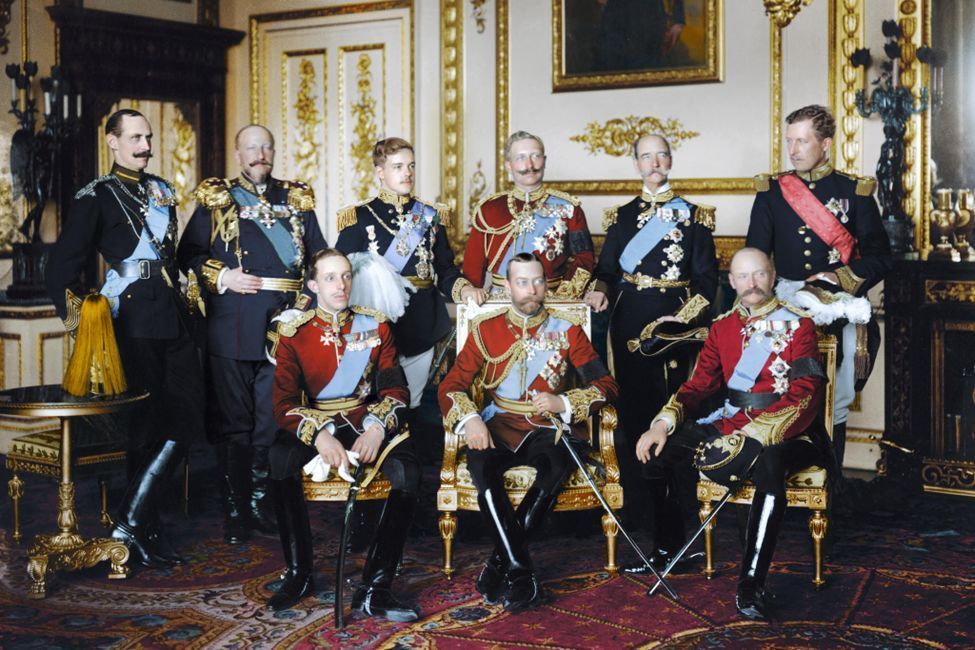
King Haakon VII of Norway (top row, far left) Ruled from November 1905 until his death in 1957. After the 1905 dissolution of the union between Sweden and Norway, he became the first independent Norwegian monarch since Olaf II in 1387.
Tsar Ferdinand of the Bulgarians (top row, second from left) Ruled as Tsar during the tumultuous First World War. After a series of military setbacks in 1918, he abdicated the throne in a bid to save the monarchy. His eldest son succeeded him, becoming Tsar Boris III.

Manuel II of Portugal (top tow, third from left) Manuel only reigned for ~2 years from 1908-1910. In his early 20’s at the time of this photo, he was king a few more months until the monarchy was deposed. He lived in exile the rest of his life and was called “the unfortunate”.

Kaiser Wilhelm II of Germany and Prussia (top row, fourth from left) Ruling from 1888-1918, he bolstered Germany's position as a great power through naval might and scientific innovation, but in 1918 was forced to abdicate leading to the birth of the Weimar Republic.

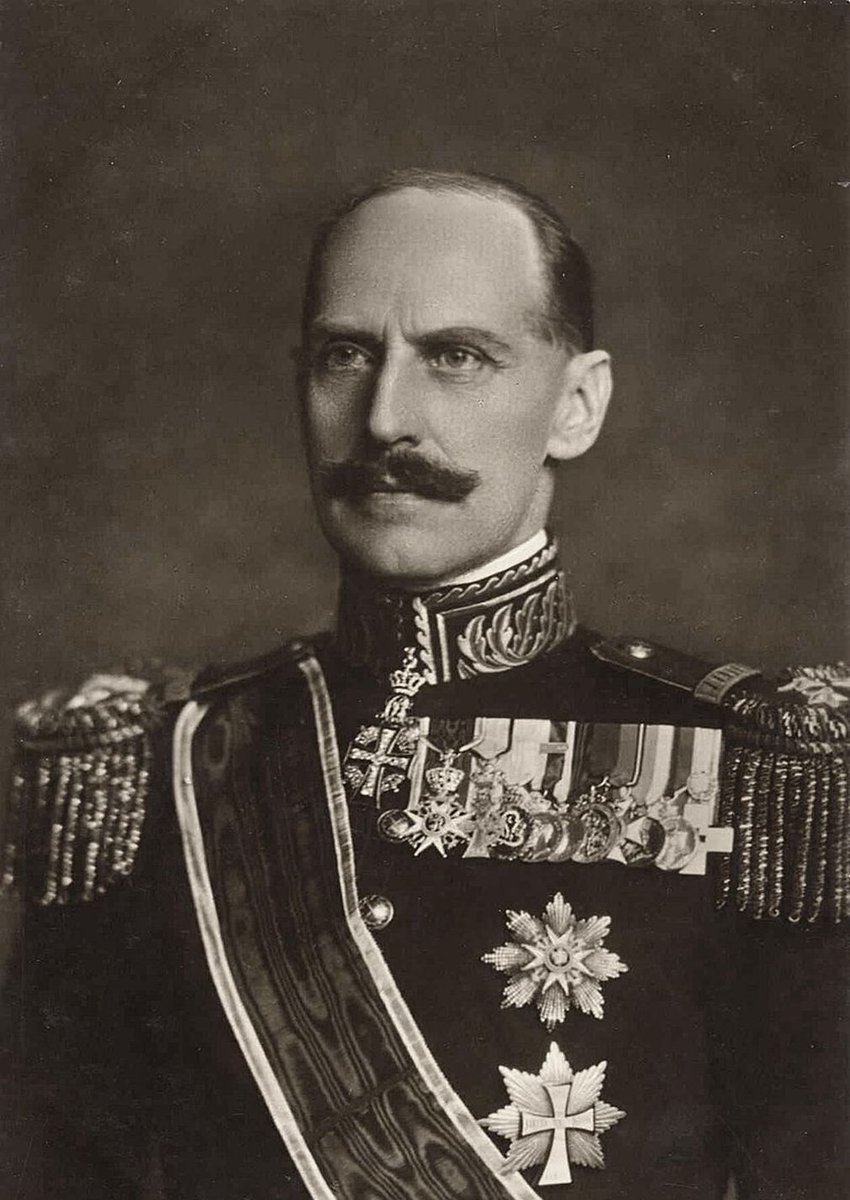
King George I of Greece (top row, fifth from right) George's reign of nearly half a century (1863-1913) was the longest in modern Greek history. His reign saw territorial gains, but ended during the First Balkan War when an assassin shot him at close range.
King Albert I of the Belgians (top row, far right) Albert oversaw many significant events during his time as king from 1909-1934: German occupation during WWI, the Treaty of Versailles, and possession of Congo. He died in a mountaineering accident at the age of 58.

King Alfonso XIII of Spain (bottom row, far left) Reigning from 1886-1931, Alfonso remains the only monarch known to have been nominated for the Nobel Peace Prize. He was nominated due to his creation of the European War Office which helped victims of WWI regardless of nation.

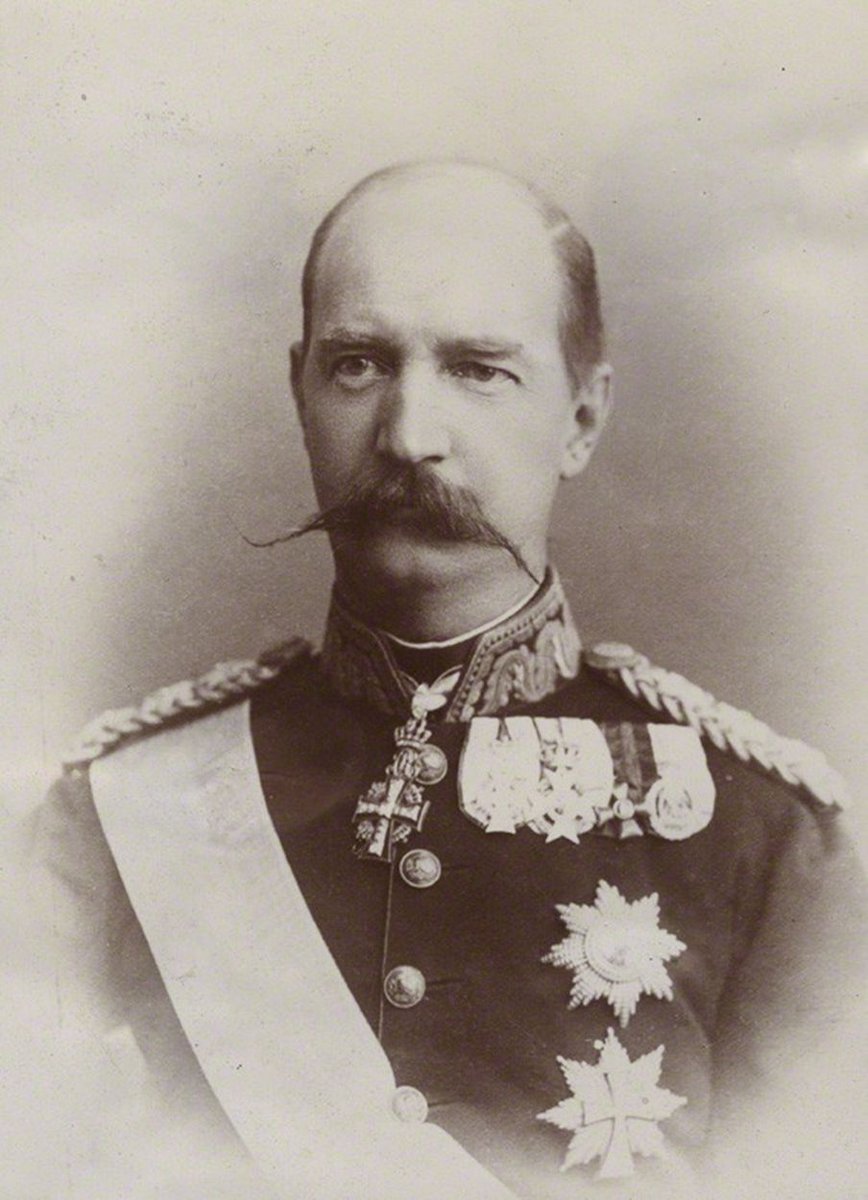
King George V of the UK (bottom row, middle) George's reign from 1910-1836 saw the rise of several political and cultural movements. Significantly, he oversaw The Parliament Act 1911 which established supremacy of the British House of Commons over the House of Lords.
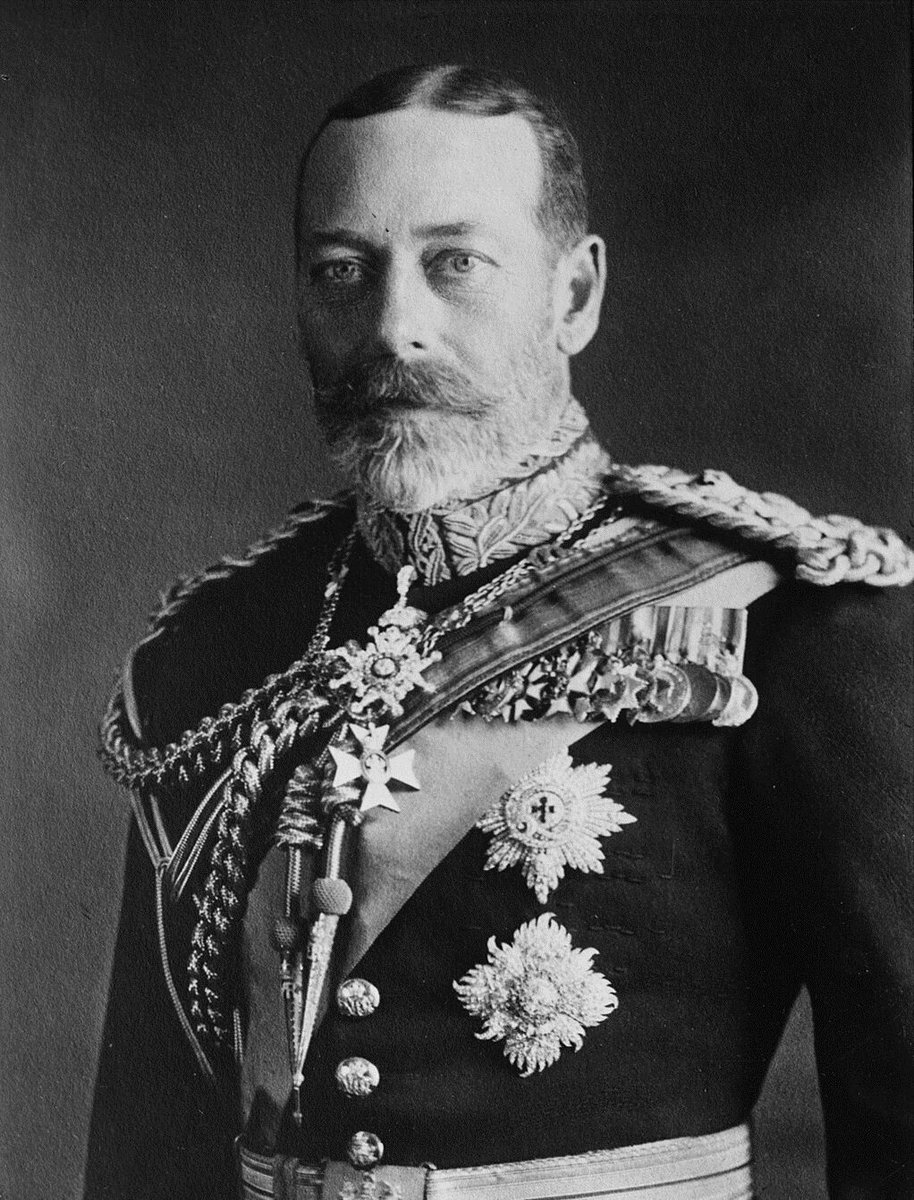
Frederick VIII of Denmark (bottom row, far right) Reigning from 1906-1912, he was seen as a liberal monarch who favored the new parliamentary system and was democratically inclined. He was elderly when he took the throne, though, and his short reign was plagued by illness.

The kings in this photograph oversaw some of the most consequential events in human history, some of them becoming directly involved in the events of WWI and the dissolution of monarchies in Europe. How do they compare to today’s leaders?
We dive deeper into topics like this in our newsletter. In-depth articles straight to your inbox every week (free)👇 http://thinkingwest.substack.c...
@thinkingwest Fools that they were: the Czar, the Kaiser, and the king of England were first cousins who participated in the vast loss of human life and the destruction of Europe as they knew it.
@thinkingwest Later that day...
@thinkingwest The toppling/diminishment of the great European Christian monarchies by Banking, Communism, War, and Zionism Is one of the greatest tragedies in the history of the world.