
Stranger Things as a Queer Allegory, Fear, Love, Trauma, and Resentment of oneself It was always their story, a thread 🧵
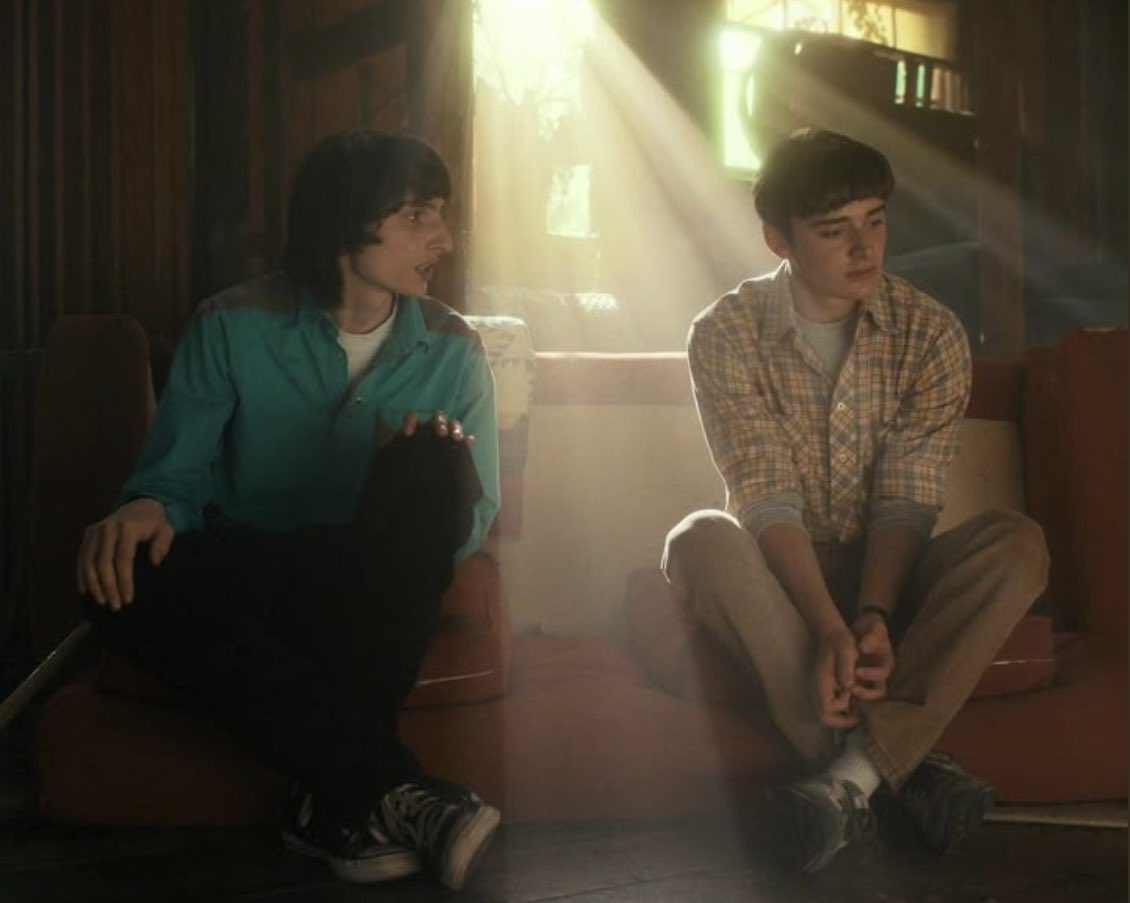
This theory will be separated into different chapters each with a different title and cover image, I would advise you to read everything from the start however because I will not explain the base concept at the beginning of each chapter, let’s get into it and I hope you enjoy!
Disclaimer : I intend to present this theory as a demonstration, a certainty, because my goal is to convince that what I am presenting could be true. However, this analysis remains an interpretation, an idea that personally seems to me to be the best dialectical structure
to serve the narrative of the series. I obviously have my own biases, this opinion is mine. I will try through these multiple threads to present this idea in the most comprehensive and non-exhaustive way possible, while justifying each of my assertions. Nevertheless, I do not
claim to hold all the keys. The events of the original timeline, understood as not influenced by the supernatural, remain an approximation based on my own interpretation of the subtext, from which I deliberately exclude certain elements, such as the potentiality that Shadow might
have a brother or the role that Sam Owens might have played, because that is not what I want to focus my analysis on, this is mostly about the supernatural plot. This theory still remains my most solid hypothesis as to what Stranger Things is trying to do, after having analyzed
the series many times through consecutive viewings and taking into account every element and the place it could occupy with respect to my concept of metanarrative framework. This theory was really long to write and illustrate, I would therefore appreciate likes and a repost.
Chapter I : Introduction to the meta narrative structure and Mike as Dungeon Master in Universe. PART 1 :

I consider that Stranger Things is a metanarrative, which can be understood through post-structuralist analysis. In other words, the form of the series, its structure, its division into volumes and chapters imitate its content, its message, its functioning.
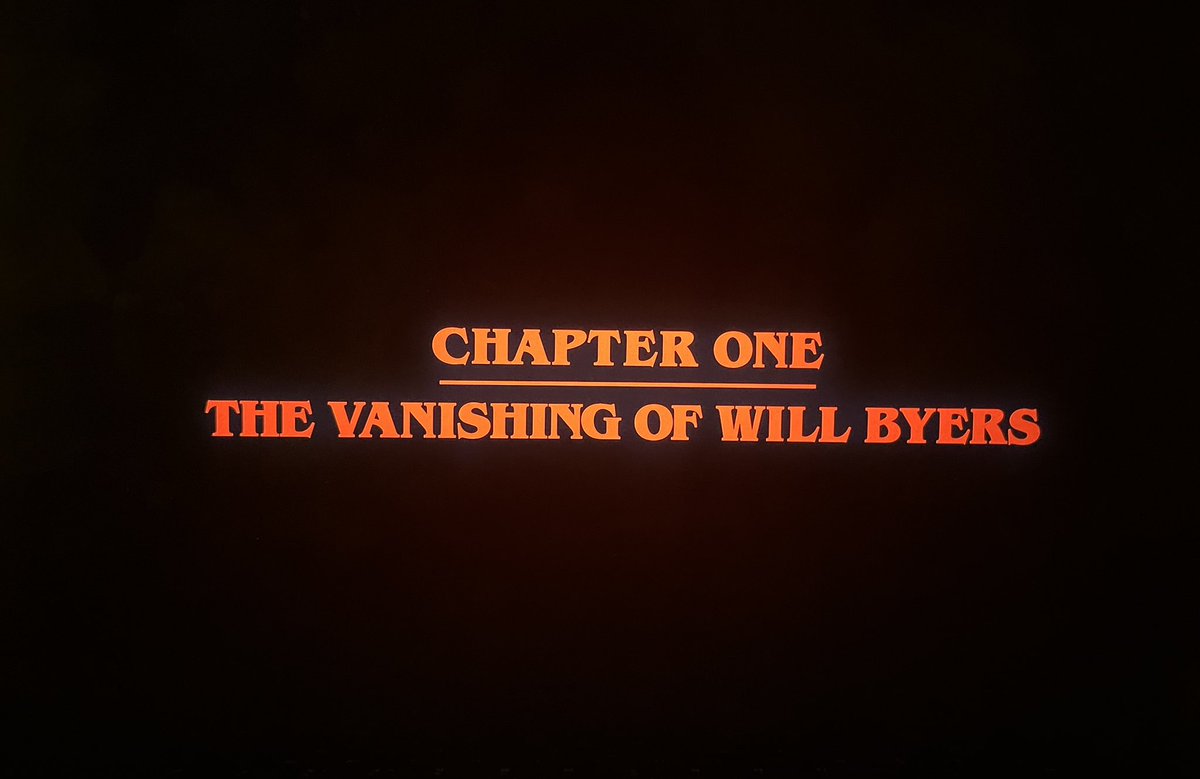
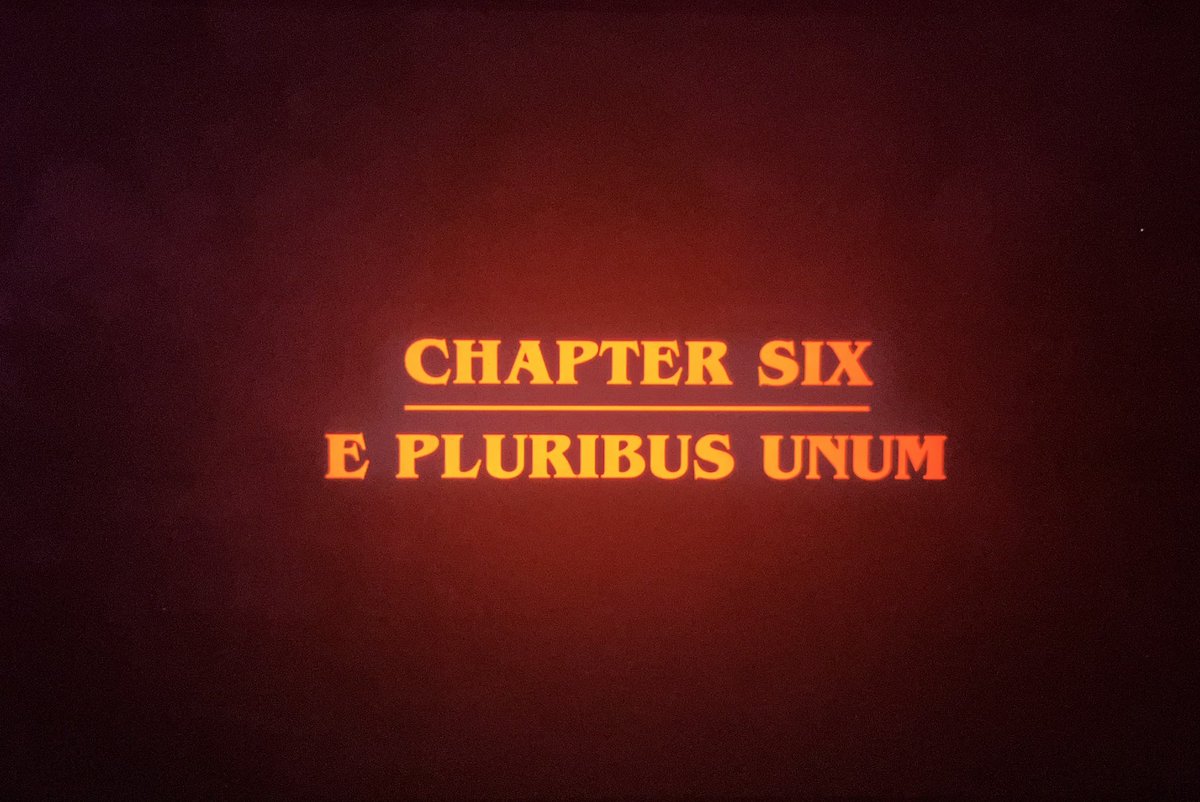
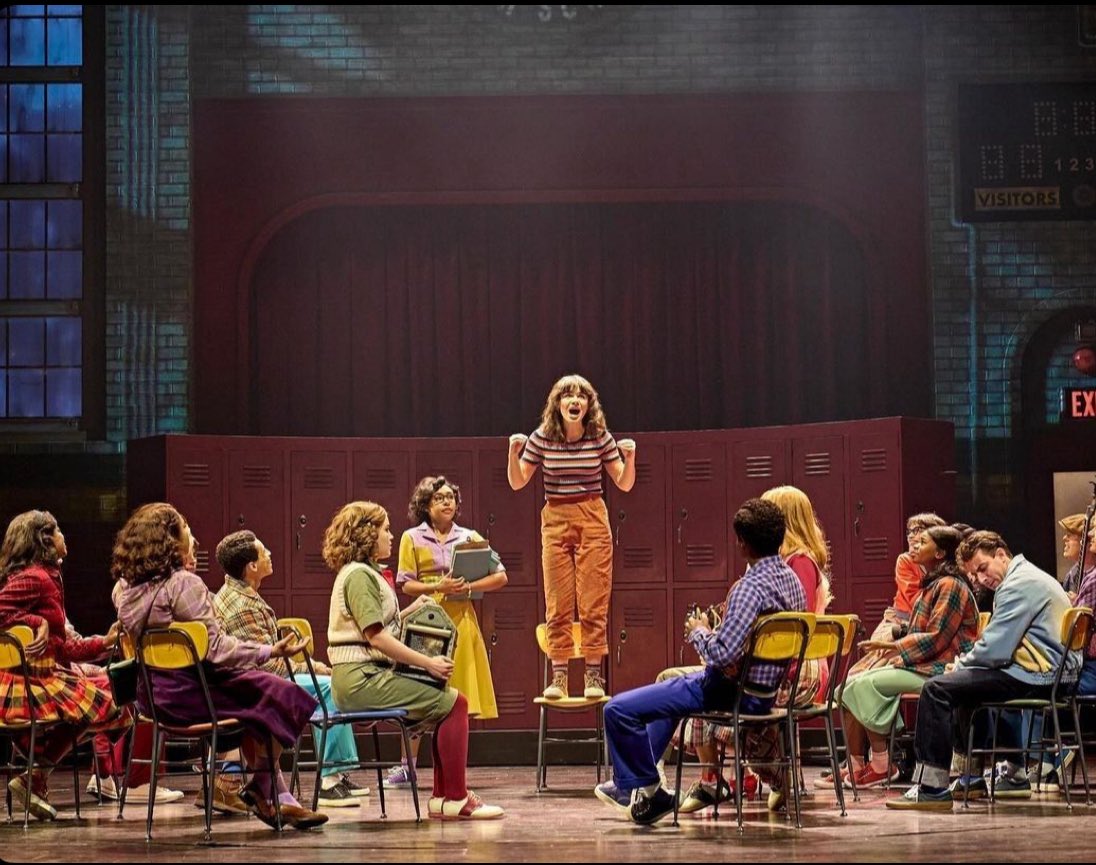
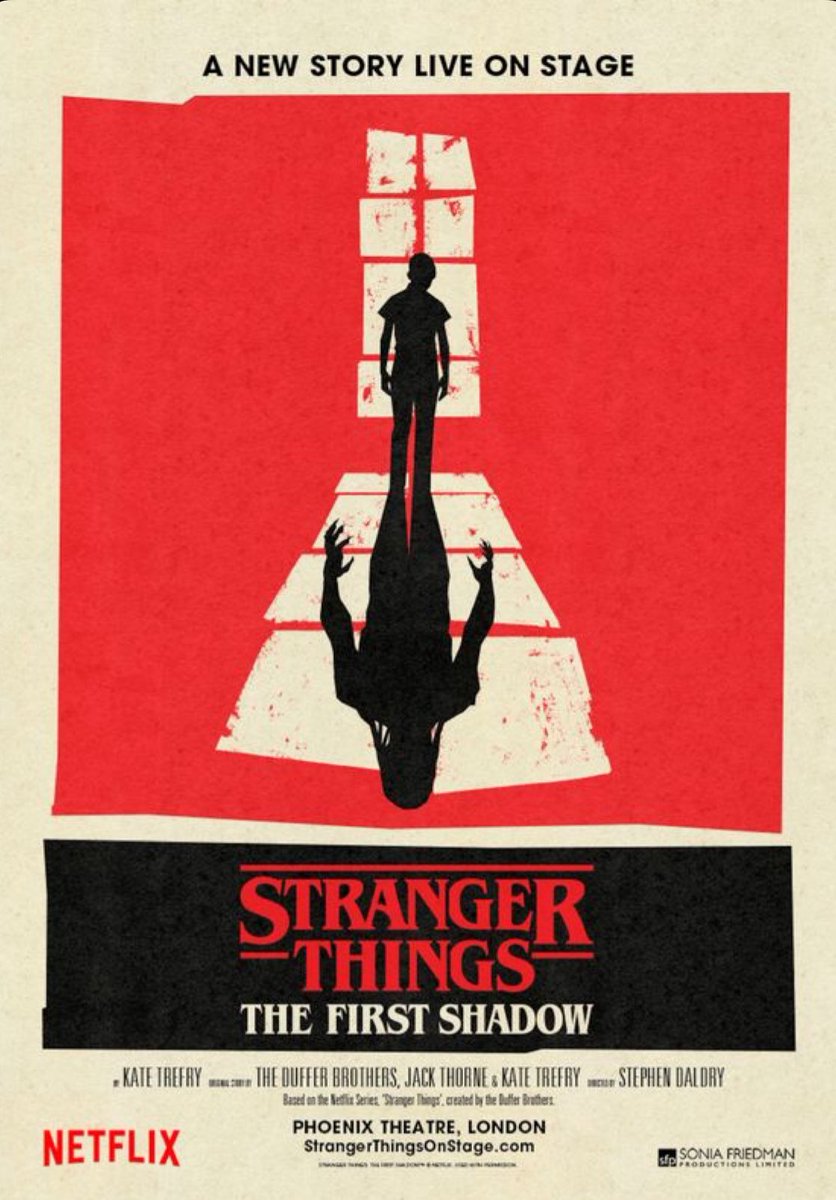
In the same way that the play The First Shadow is a play within a play, Stranger Things is a story within another story, or to be more precise, a DND campaign within a DND campaign, a mise en abyme of the narrative.
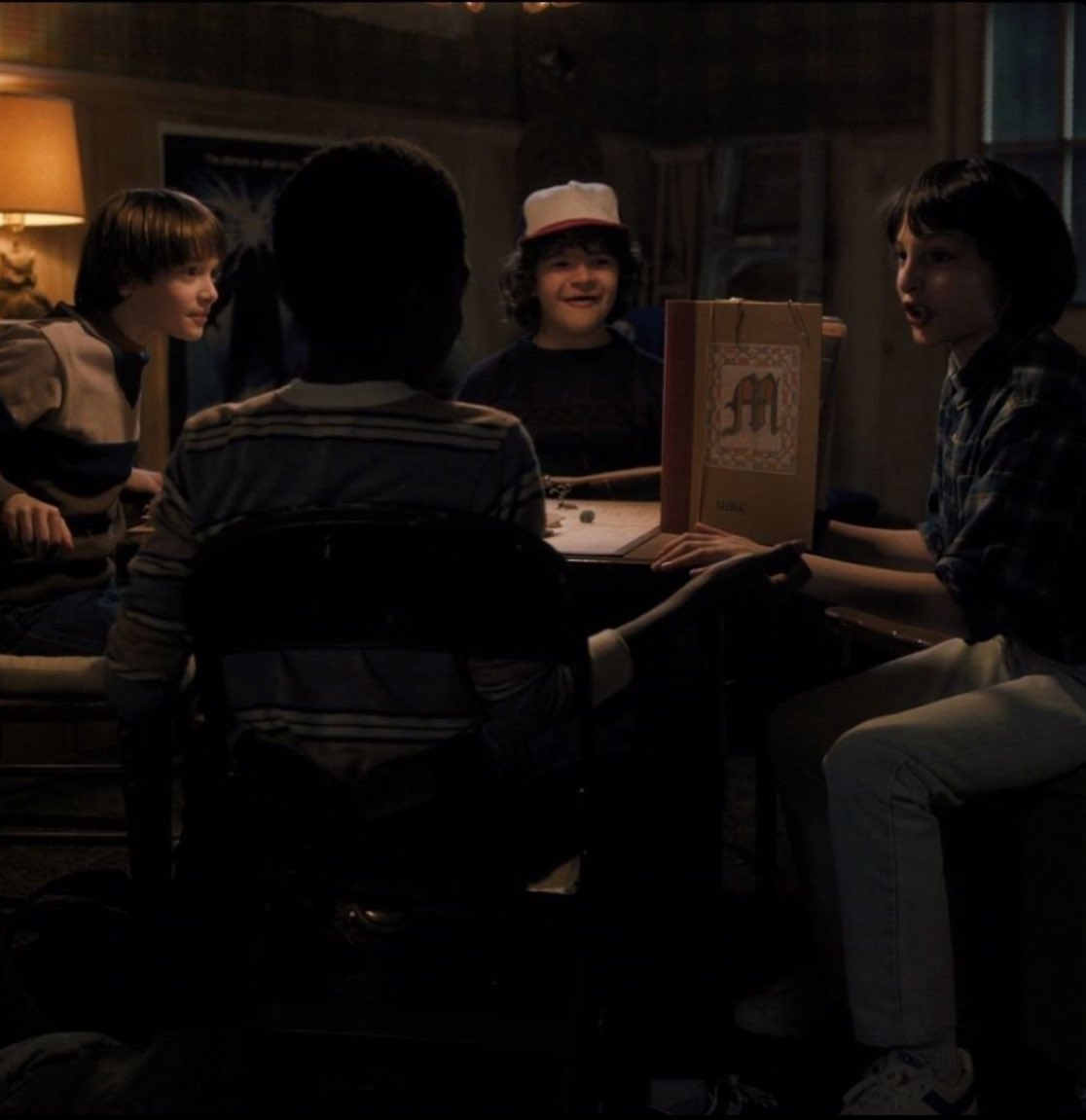
Mike is their writer in universe or DM in universe and it’s no coincidence they insist so much on this in his introduction in the Montauk pilot, and in the show, that’s the first thing we learn about him, the script going as far as to say that if Mike is the leader of the party
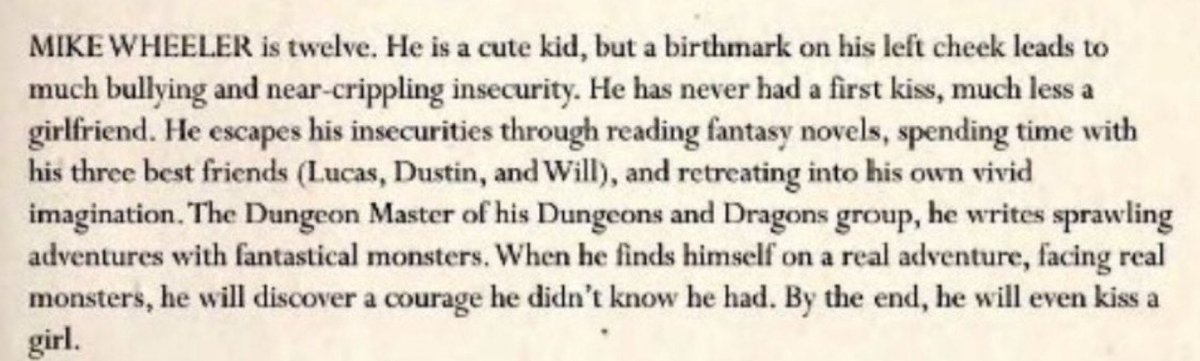
it’s because he is the DM, use of the word “de facto”, he is moreover emphasised as the writer here, it’s the career he wants to embrace when he grows up, one might say he acts as their self insert.

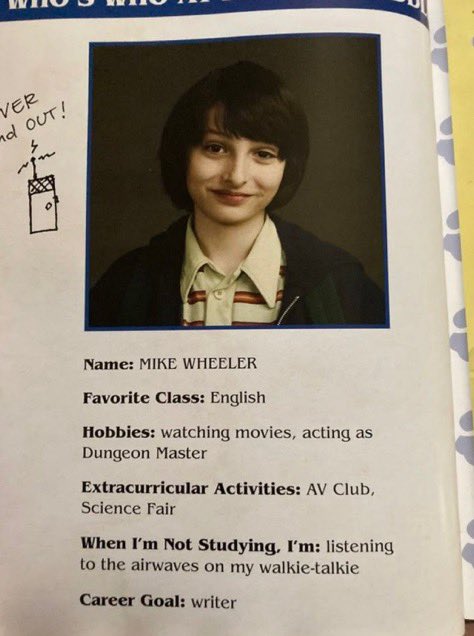
We are therefore in a story, a fiction, within the universe of the series, a story where nothing is really real, where a writer is playing God, holding or losing mastery over the narrative and its development.
Several elements indicate this fact to us. In season 1, Hopper plays the futile game of specifying to us that we are not in a Tolkien novel, right after Mike pointed out that the name of the street where Will disappeared itself comes from the book The Hobbit.
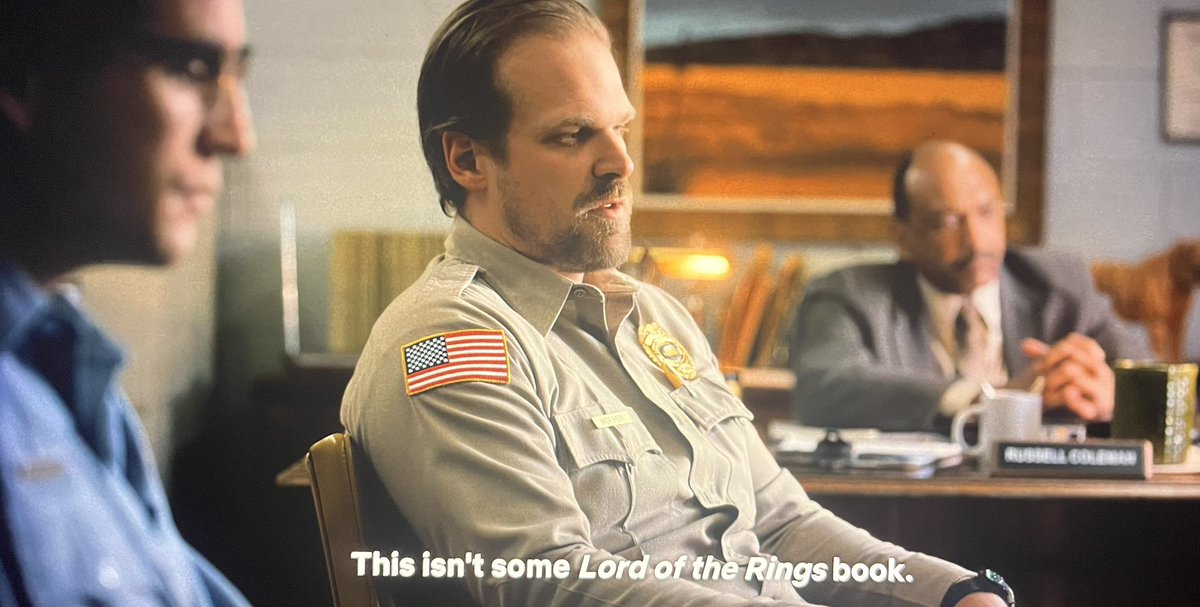
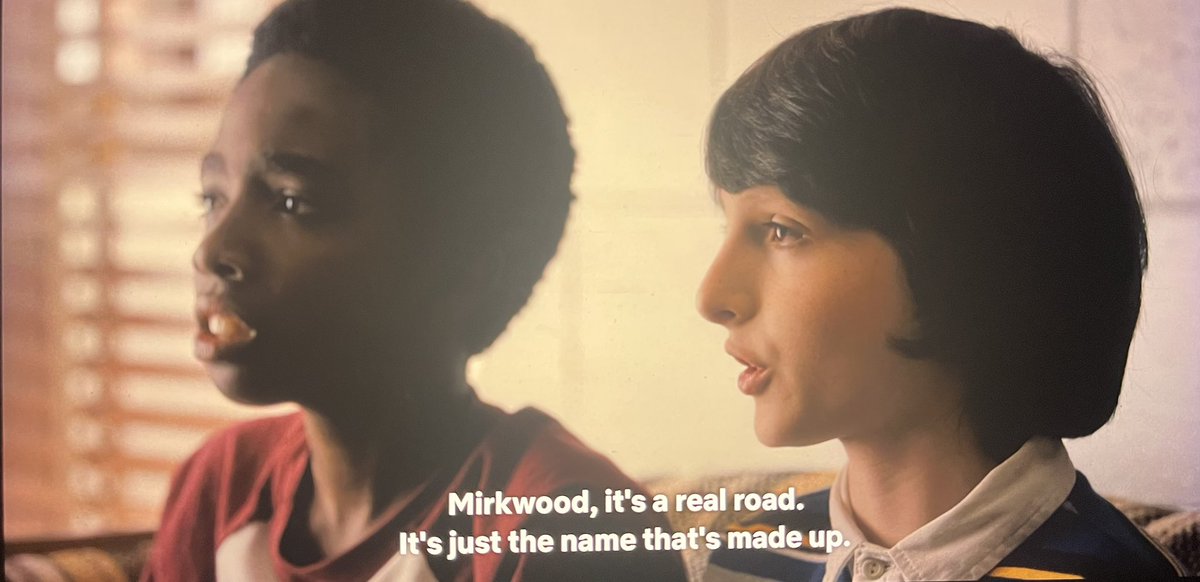
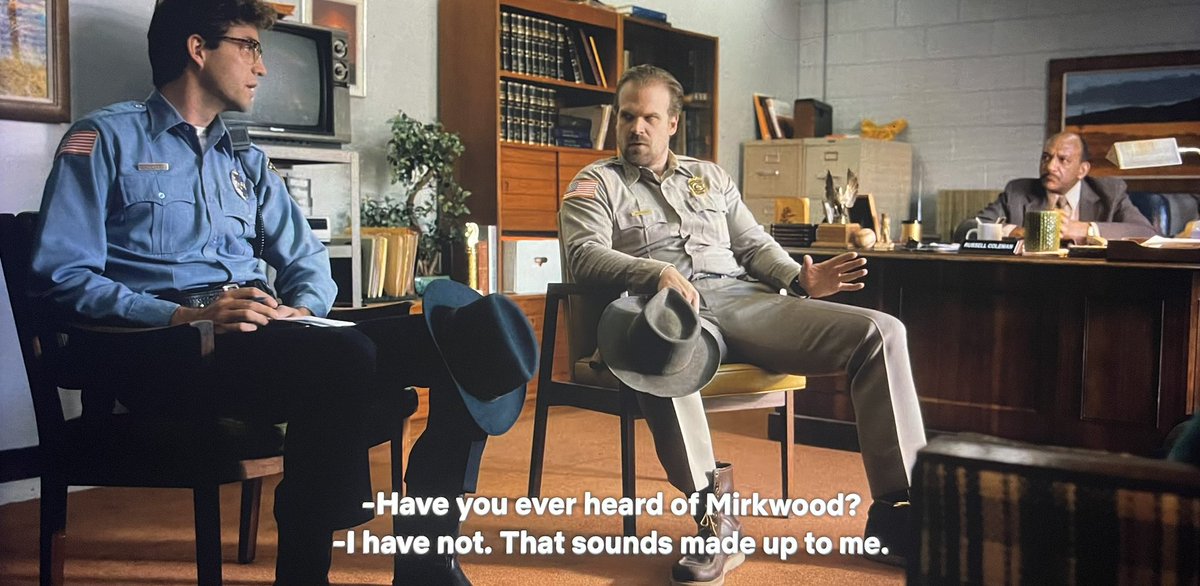
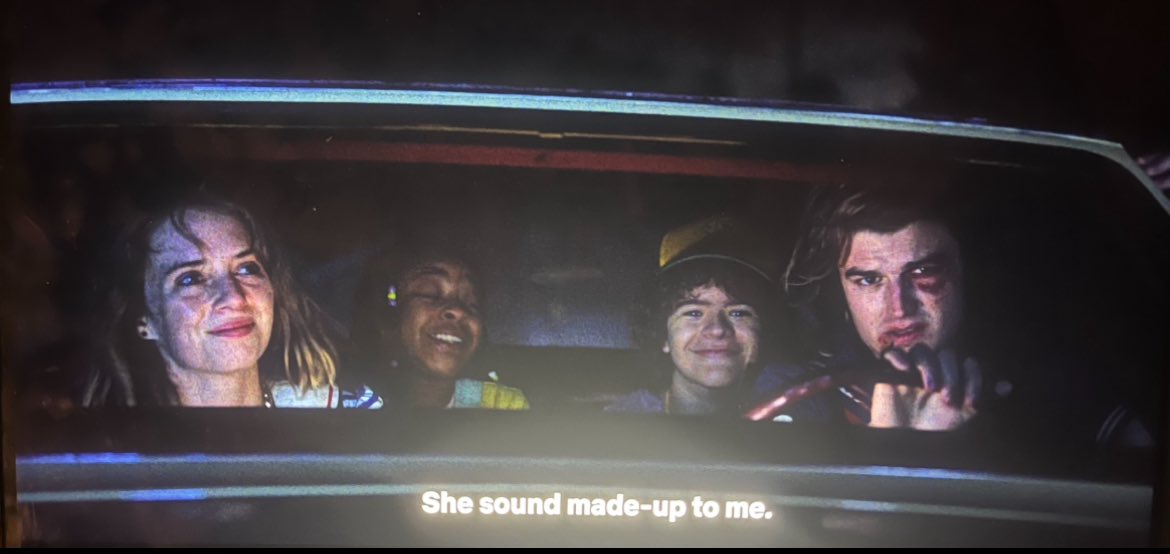
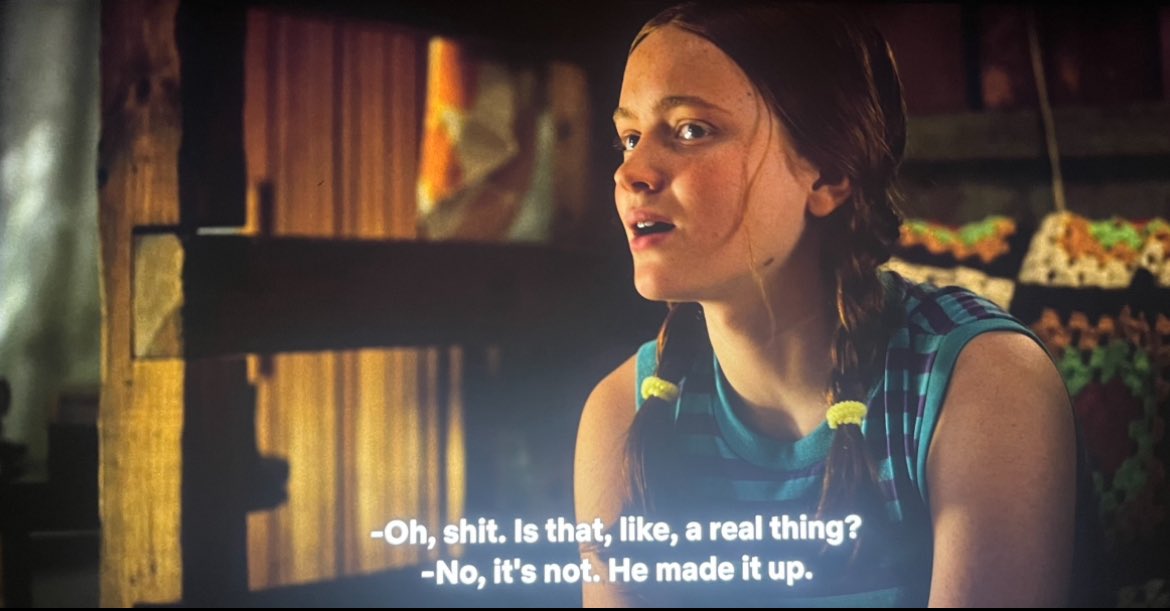
Callahan also says that all this seems “made up.” In season 3, Suzie’s existence is contested throughout the season, she too seems not to be real. Max even says that Mike “made that up,” in relation to the idea that using her powers could cause El “brain damage.”
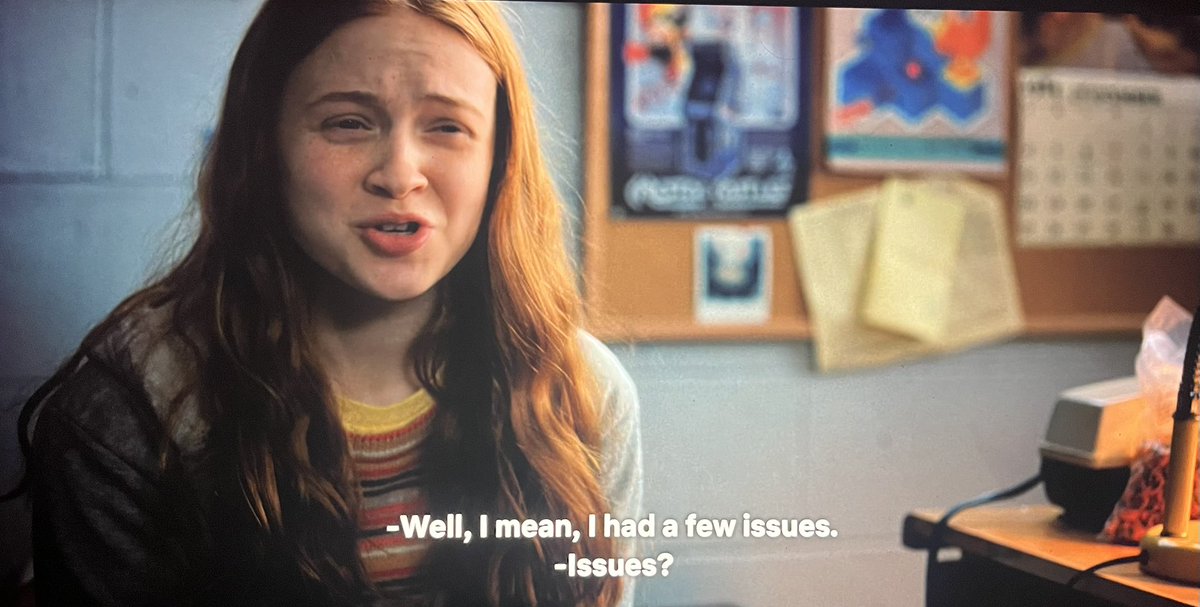
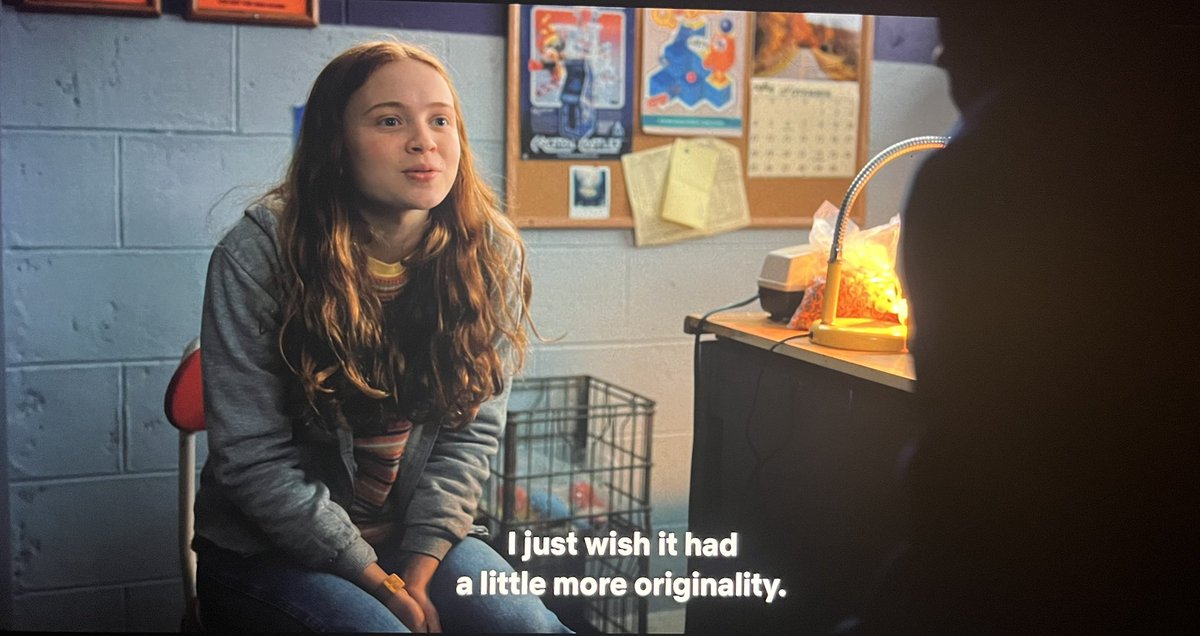
In season 2, in an attempt to reconcile with Max, Lucas decides to tell her everything that happened the previous year, and Max not believing him, concludes that his story is derivative and lacks originality, as if its writer had been influenced by external sources to write it.

An idea that Stranger Things continues to explore throughout the seasons, even going so far as to say in the promotion of season 4 that it is five movies in one season, a horror movie, a buddy movie, an action movie, etc, several narrative threads that intersect and intertwine,
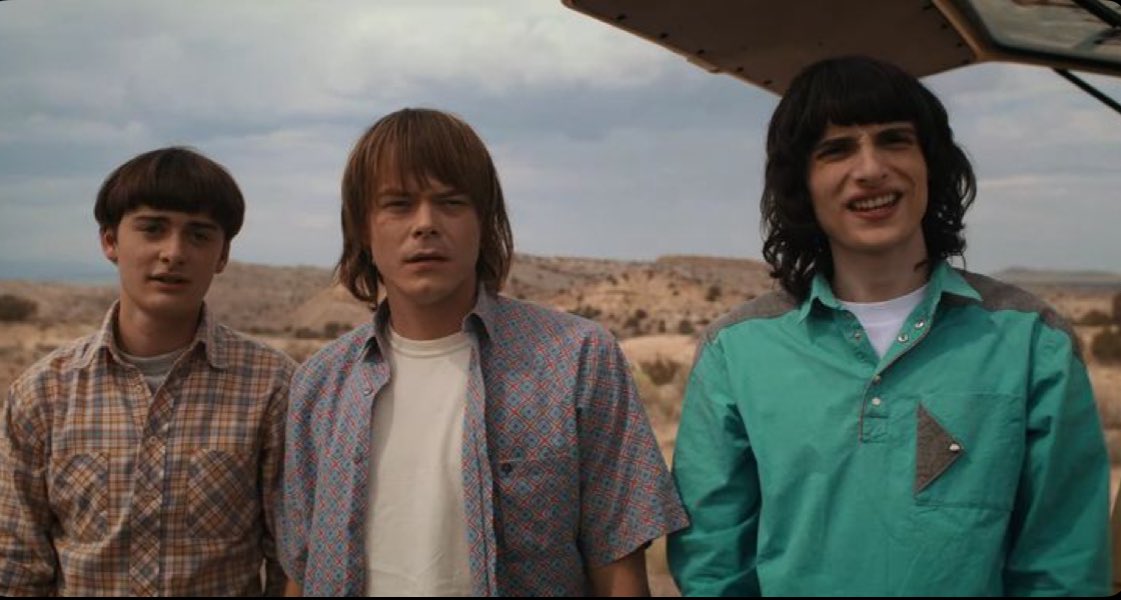

we are in a meta-narrative where everything makes sense emotionally rather than logically,where Mike’s emotions control the story and influence the narrative,chaotic, disordered, contradictory, largely dictated by fear, trauma, and self-hatred, season 3 is undoubtedly the season
where this dialectic is the most visible, and its execution the clearest, as the story is so absurd and Mike’s anxieties so apparent, his paranoia about his performance of heterosexuality, which he feels is inadequate, his fear of sexuality, his internalized homophobia,
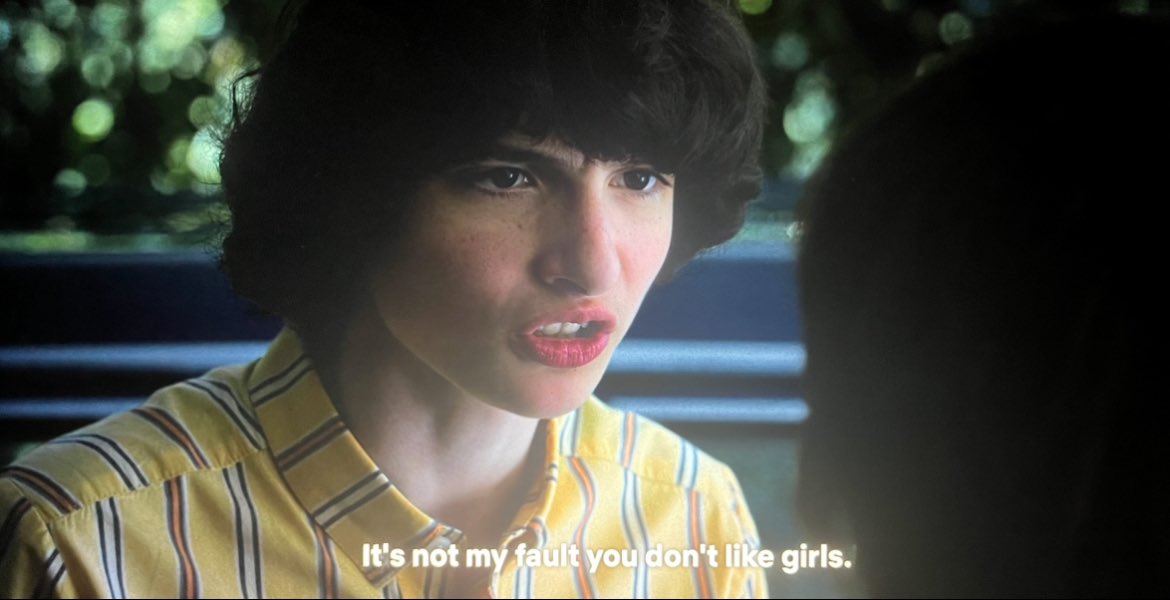

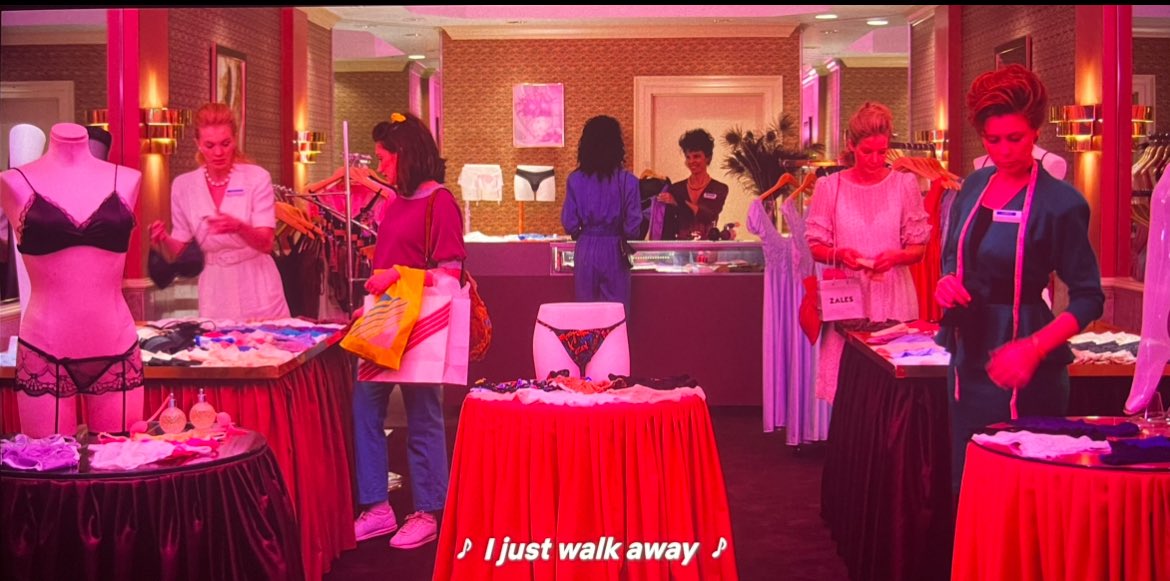
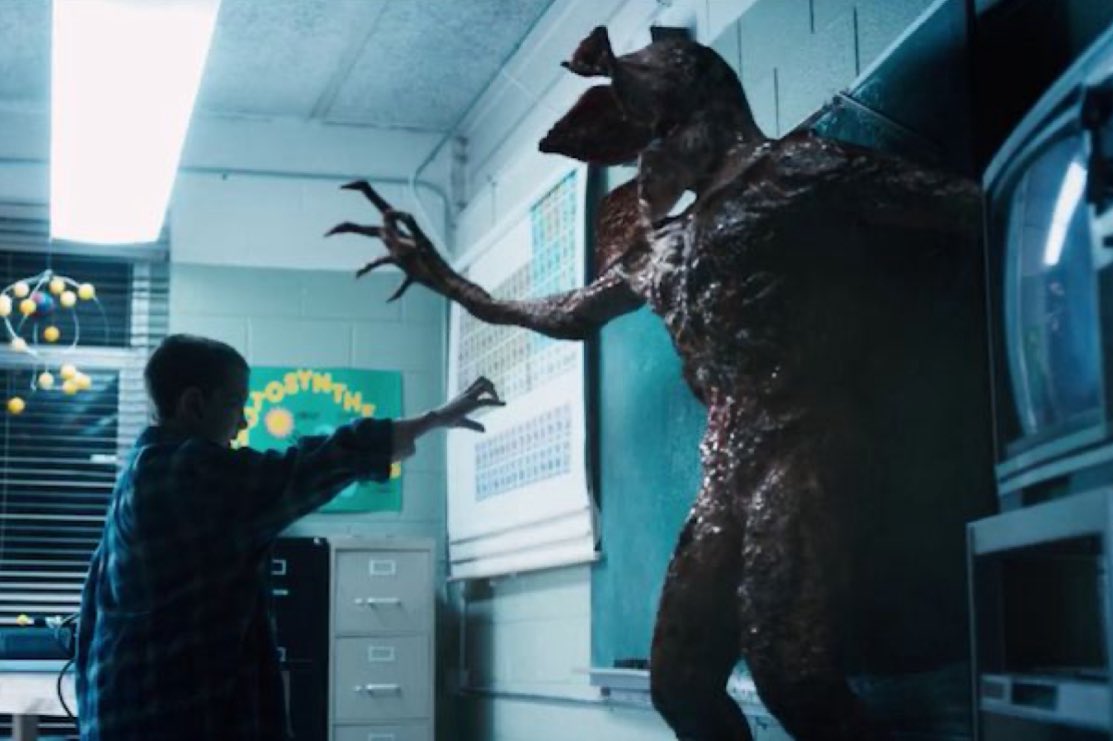
his pre-fabricated image of conformity,which he knows is a lie, manifested as a monstrous creature, come back to haunt him, as the façade of his perfect summer love story collapses.

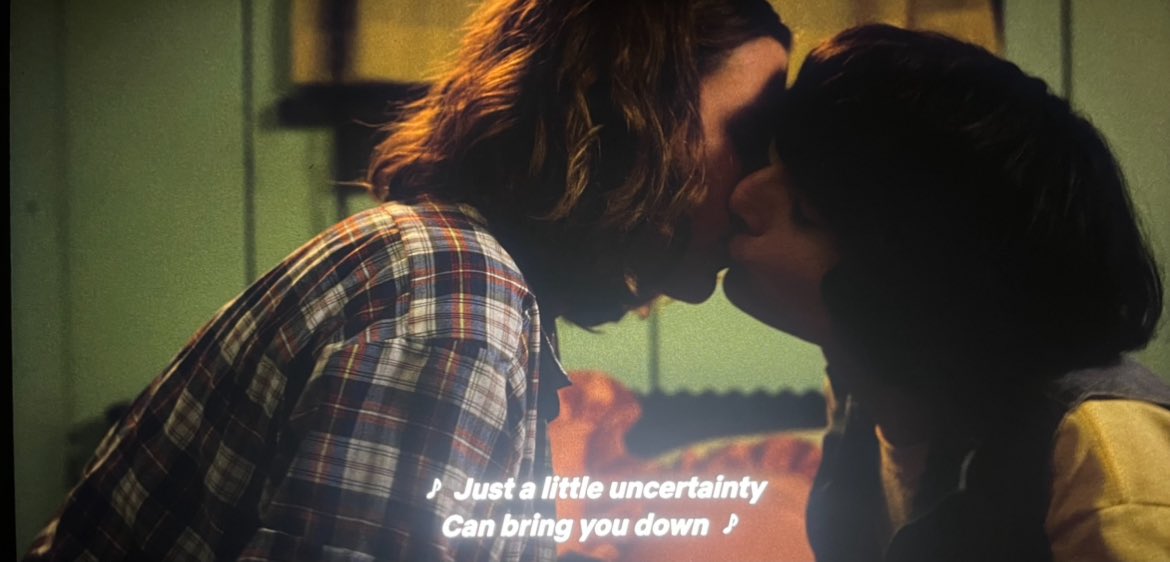
I have explained in detail how all these elements come into play in season 3, and intend to return more precisely to some of them, nevertheless it would be easier for you to understand the idea I will develop here if you are already familiar with them. https://x.com/achromatic_wh/st...
Mike’s character is introduced in season 1 right away as the narrator, he is the Dungeon Master, he controls the narrative of the campaign and this campaign, which seemed to solely belong to the narrative of the game, happens in reality,
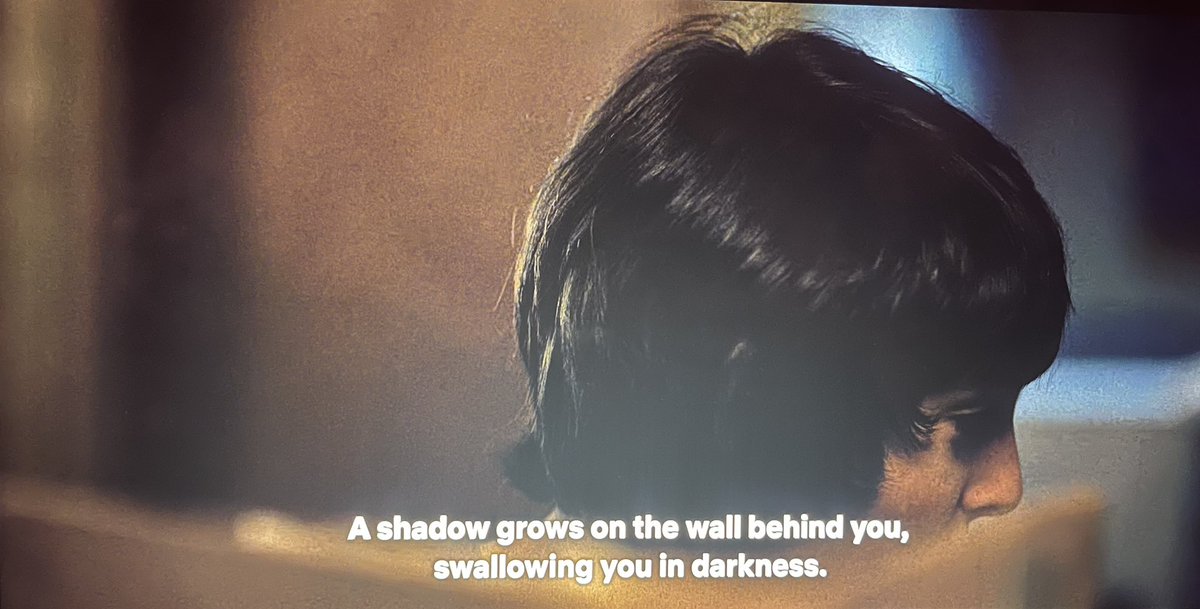
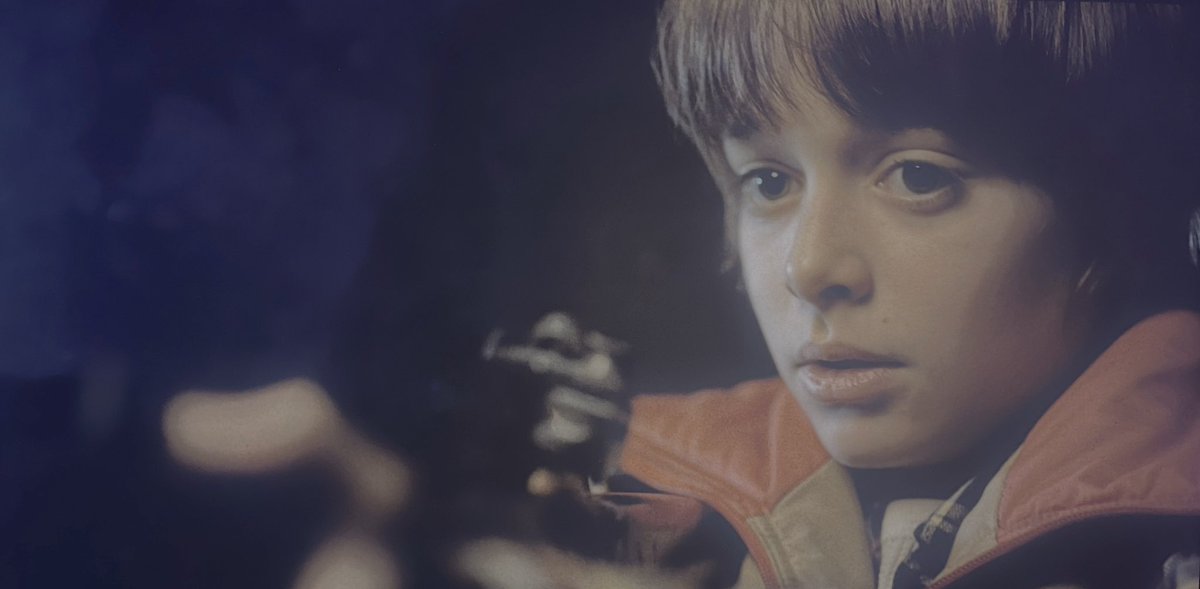
Lucas mentions that what Mike doesn’t know doesn’t count but Will still decides to tell him “it was a 7 the demogorgon it got me.” this exchange is difficult to interpret, because Mike doesn’t respond to him, he ignores Will as if something had happened between them that we don’t
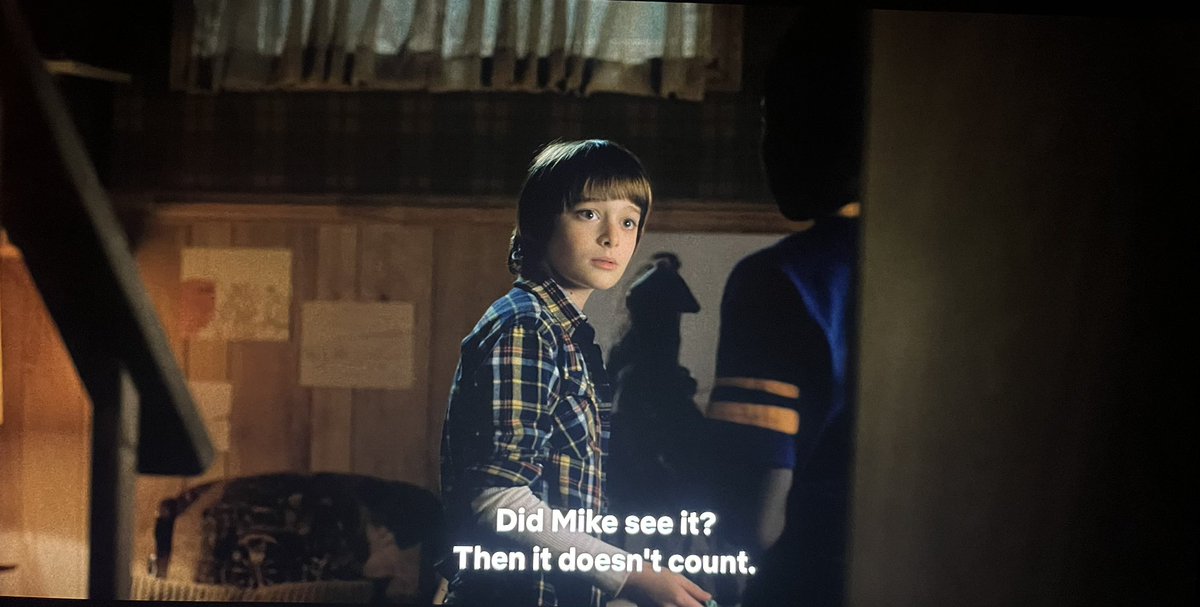
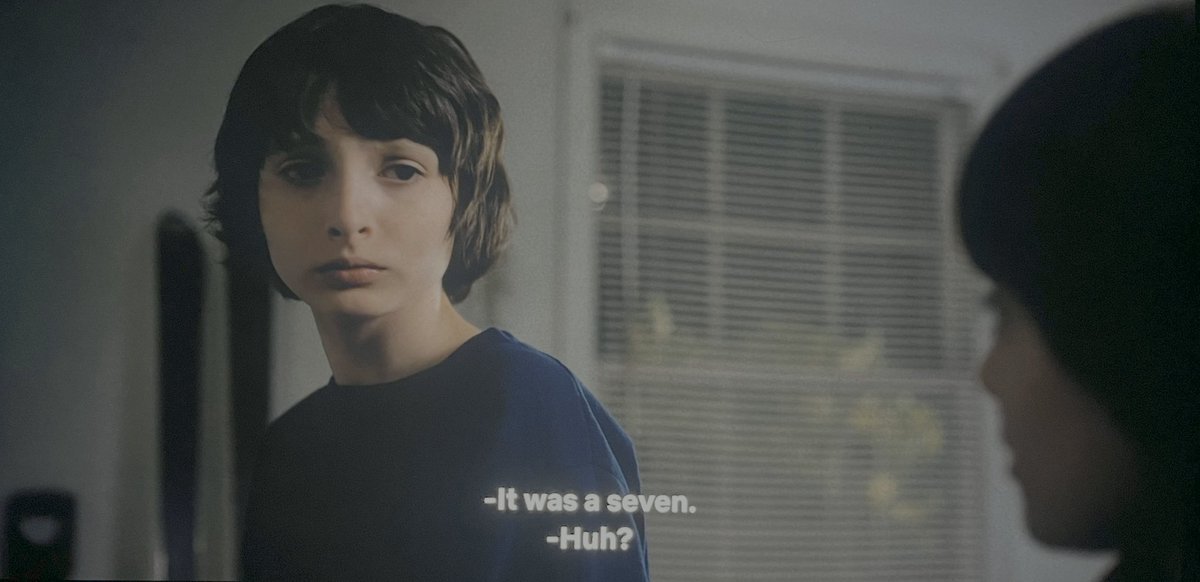
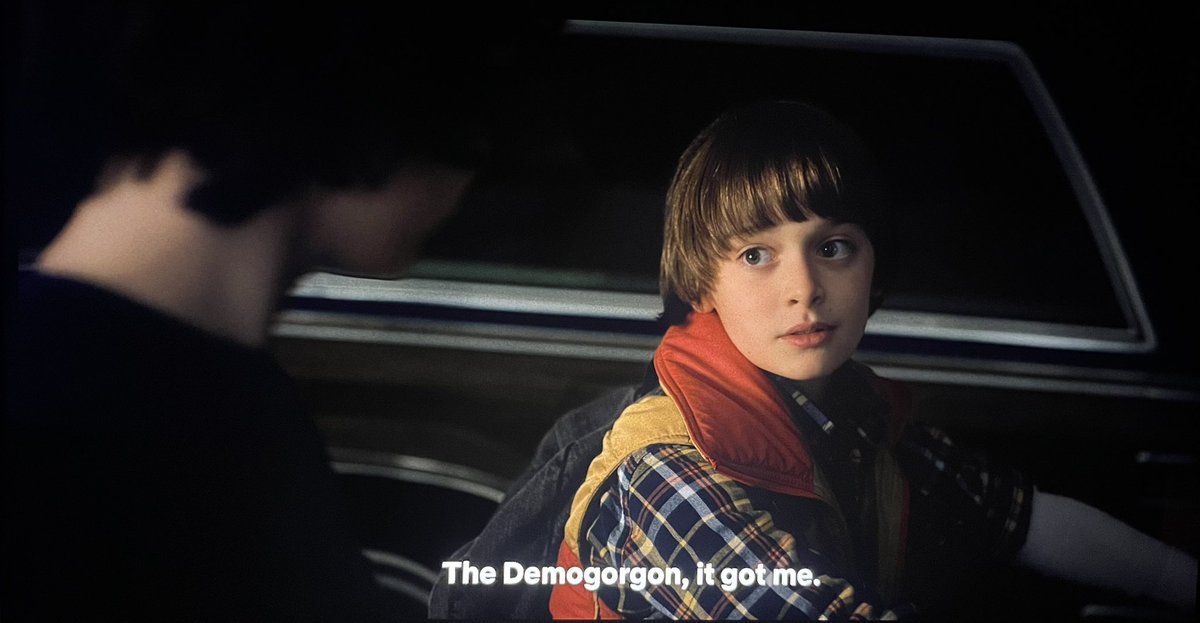
know about but I will come back to that later and in the next scene, his campaign plays out in reality, Will is taken into the Upside Down by the Demogorgon.
@achromatic_wh I love the details of the camera and dialogue with Mike in the frame, it always makes so much sense to me. This was soo good as always I love your analysis sooo much😭
@myuwuk_ thank you for reading I really appreciate 💖
@achromatic_wh EVERYONE SHUSH MY SHOW IS ON
@EvsShadow1 THANK YOU 😭 that’s so sweet <3
@achromatic_wh WHATTT THIS IS SO AMAZING!!! SUCH DEEP ANALYSIS AND ITS SO THOUGHT THRUUU
@lewsbyers thank you so much I really appreciate! I am glad you enjoyed it 💖
@achromatic_wh READINGG
@claireylest yes! tell me what you think 💖