
How Coffee Roasting Changes Chlorogenic Acids (and Other Antioxidants) Coffee beans are packed with chlorogenic acids - plant compounds that help regulate blood sugar, protect blood vessels, and act as antioxidants. Roasting changes how much of these (and other polyphenols) end
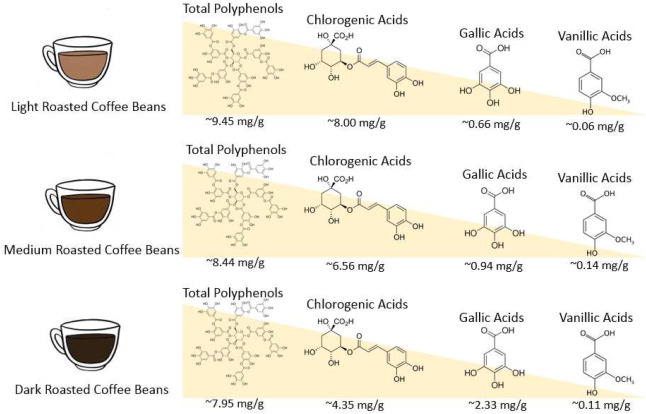
@drwilliamwallac What about the (basically burnt) ones that starbucks uses? They seem to go way darker than what most coffee roasters consider 'dark'.
@drwilliamwallac Stupid question: Can raw(unroasted) coffee be drunk?
@drwilliamwallac Great topic, William! Understanding how roasting affects chlorogenic acids can guide healthier choices. Have you come across how different roasting levels—light vs. dark—impact the antioxidant potential of coffee? And how does it influence bioavailability? For more nuanced
@drwilliamwallac Love this, thanks for posting! My takeaway from this would be to include both light and medium roast, and occasionally some dark roast too.
@drwilliamwallac Dark rost breaks down more mycotoxins.
@drwilliamwallac Dark roasts are less acidic so that is the benefit I am looking for ..
@drwilliamwallac The impact of coffee roasting on chlorogenic acids and other antioxidants is indeed a fascinating area of study.
@drwilliamwallac 含量变化 效用效应 会有差异
@drwilliamwallac @grok so according to this information the highest antioxidant levels is dark roast.
Acute exercise doesn’t just stress muscles; it reshapes the gut. 🧬🏃♂️ Even one workout transiently rewires gut microbial activity, hinting at a mechanistic link between exercise, microbiota, and host performance. A review in Experimental Physiology shows a single bout of

Melatonin might protect against microplastics by stimulating antioxidant defense and promoting waste clearance via the glymphatic system in the brain (PMID: 32368984; PMID: 38805828) A lot of glymphatic system activity happens during sleep with melatonin (PMID: 36917314; PMID:

2 weeks without smartphone internet significantly improved mental health. The effects were similar to an antidepressant medication.

Clinicians can enhance patient understanding by using numerical data instead of verbal probabilities, consistent denominators, absolute risk comparisons, and clear context for unfamiliar data types. https://ja.ma/42JRNGk
