
In this THREAD I will explain “Basic Trading Indicators” 1. Volume 2. Market Profile 3. Heatmaps 4. VWAP 🧵(1/15)

1. Volume Trading volume represents the total number of shares, tokens or contracts exchanged in a market within a specific period High volume during suggests strong interest and validates the trend Low volume indicates uncertainty or a potentially false signal

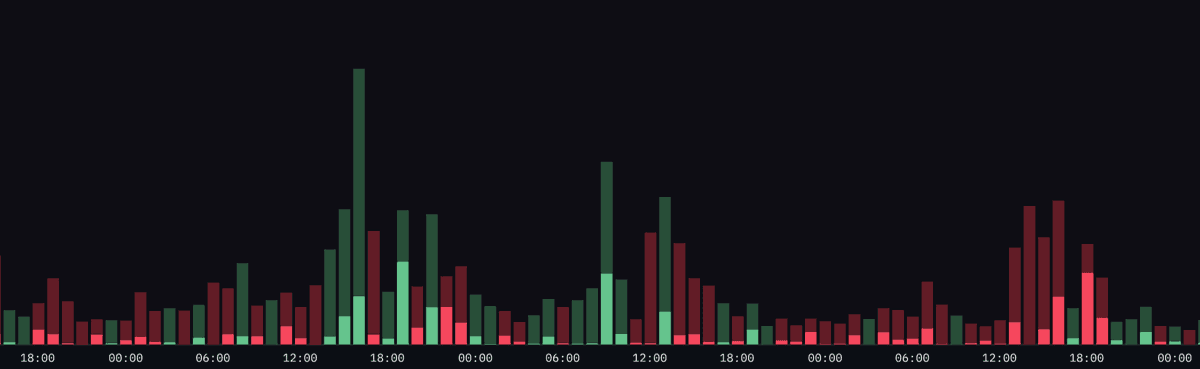
1.1 Volume Delta Highlight mode shows data the traditional volume indicator doesn’t Each node has two bars: A darker bar behind = total market volume (buys + sells) A brighter bar in front = net delta (buys − sells) Shows who dominated and how strong the imbalance was
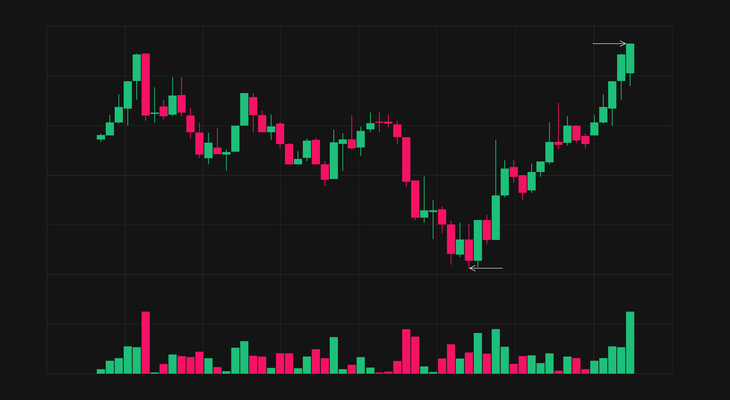
1.2 Volume Volume confirms price action. Rising volume on a move shows conviction; large spikes validate breakouts or reversals Price/volume divergence (price up, volume down) warns of a failing move Climax volume often signals exhaustion.
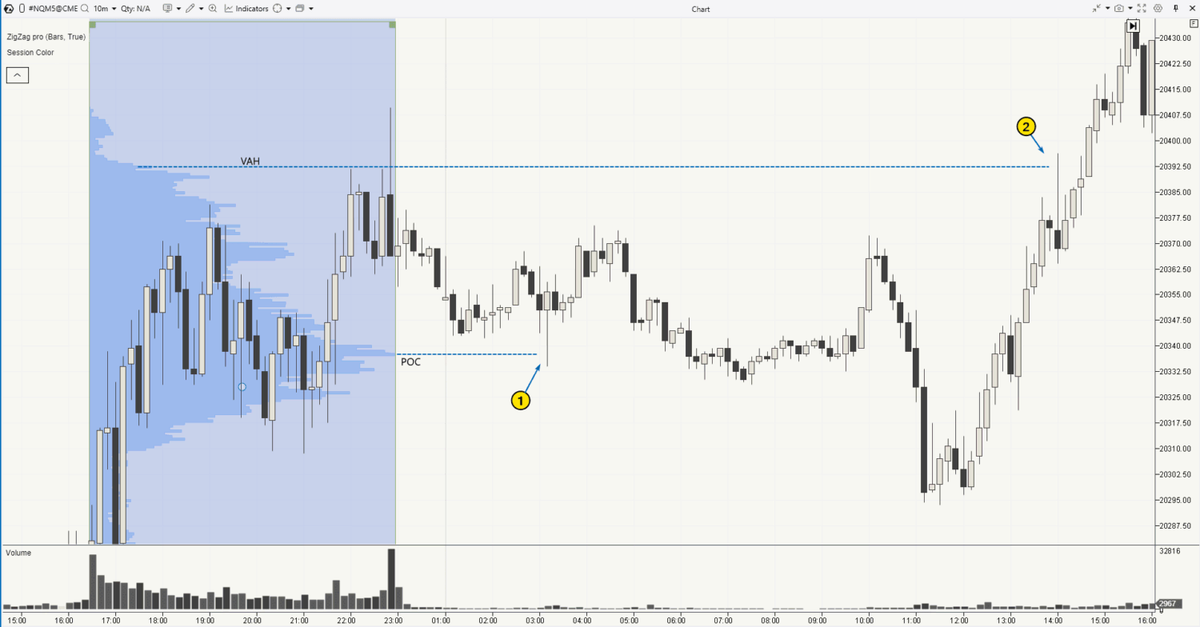
1.3 Volume Market Profile: Use Point of Control (POC) and Value Area (VAL/VAH) In this example the POC held as support during the Asian session. While the Value Area High (VAH) capped price as resistance in the following European session.
2. Market Profile Displays market activity by combining price, time, and volume information on a single chart With the goal of identifying areas of "Fair market value" over time It uses Time Price Opportunities (TPOs) to show how long price has traded at specific levels
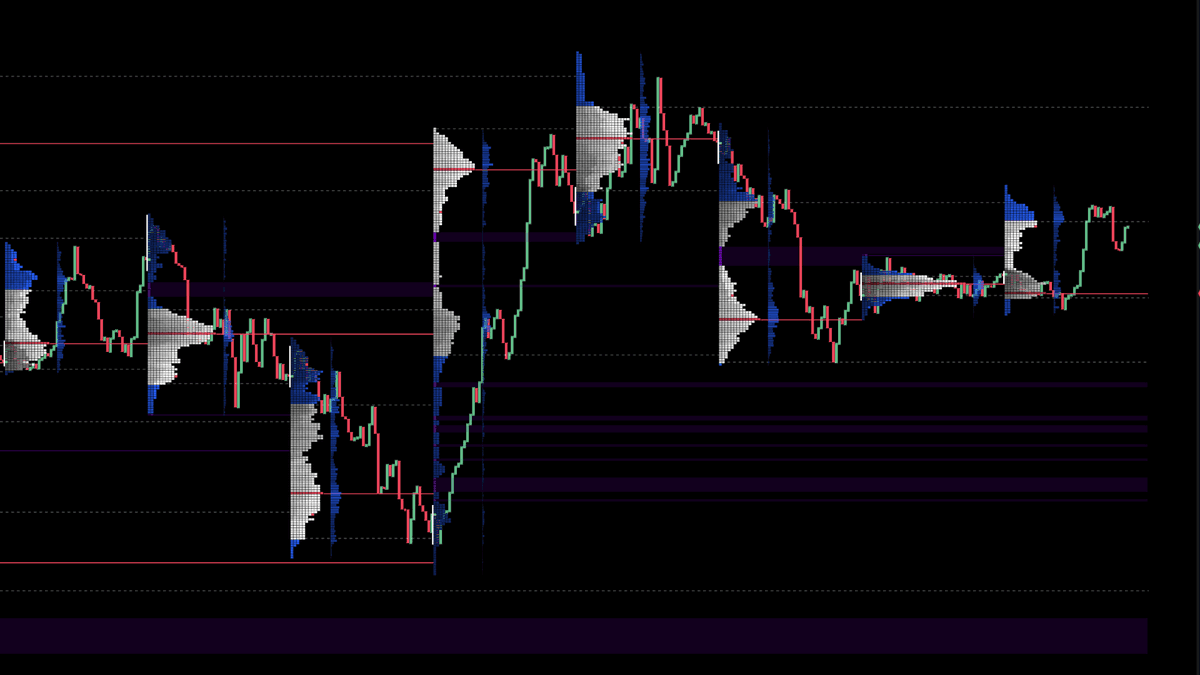
2.1 Market Profile Market Profile (TPO) displays where price spent time each session using horizontal histograms Value Area (VAH/VAL) is the price range where most trading occurred POC = Single price with the most activity Use these zones as Support/Resistance
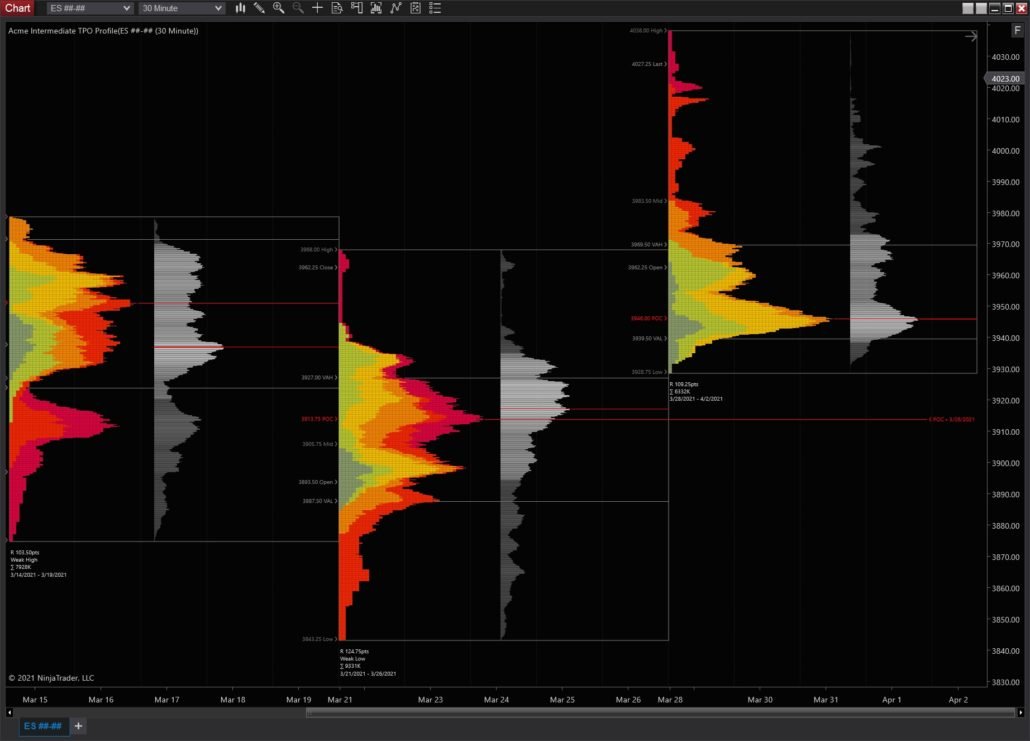
2.2 Market Profile High Volume Areas on a Market Profile mark prices where trading concentrated and the market found value Price often revisits or stalls at these levels Traders use them as reliable support/resistance and key reference points for entries, exits, and risk

2.3 Market Profile Low Volume Areas, or Low Volume Nodes (LVNs), are price zones with little trading They show rejection or lack of agreement on value, so price often moves quickly through them Traders watch LVNs as paths for fast runs and useful short term targets

3. Heatmaps Heatmaps display orderbook activity across price and time using color intensity Brighter colors show large resting or executed orders, darker areas show low activity. Use Heatmaps to spot support, resistance and targets
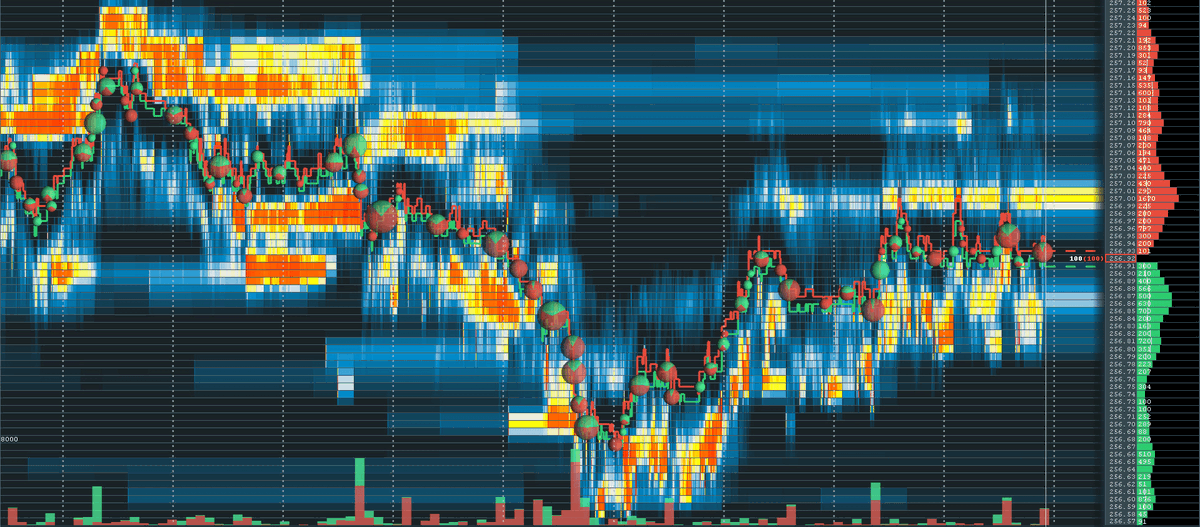
3.1 Heatmaps Aggregate Market Depth (Heatmap): This exposes liquidity walls, depth concentration and likely short-term support/resistance and absorption zones.
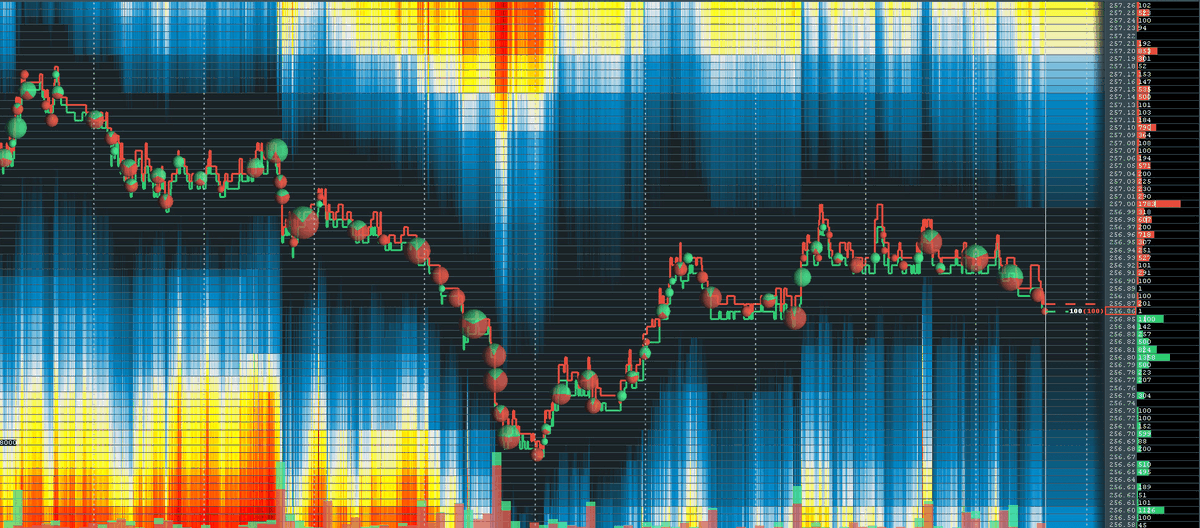
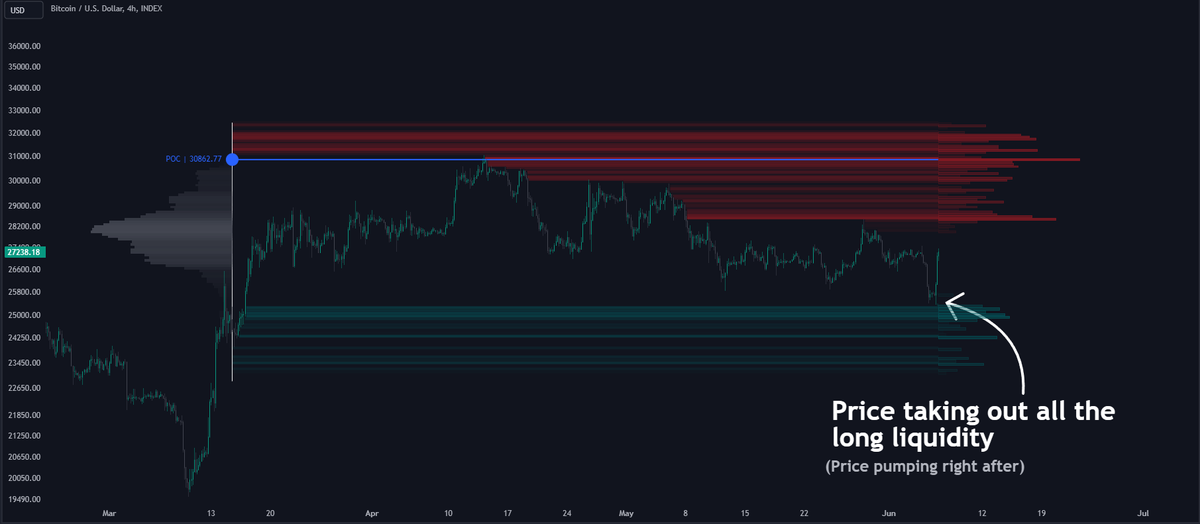
3.2 Heatmaps: Bright bands show concentrated liquidity and clusters of open liquidations. If a liquidation’s POC sits in a low-volume band, expect a quick price reaction and extra confluence. Large liquidation pools attract price and often act as resistance or targets.
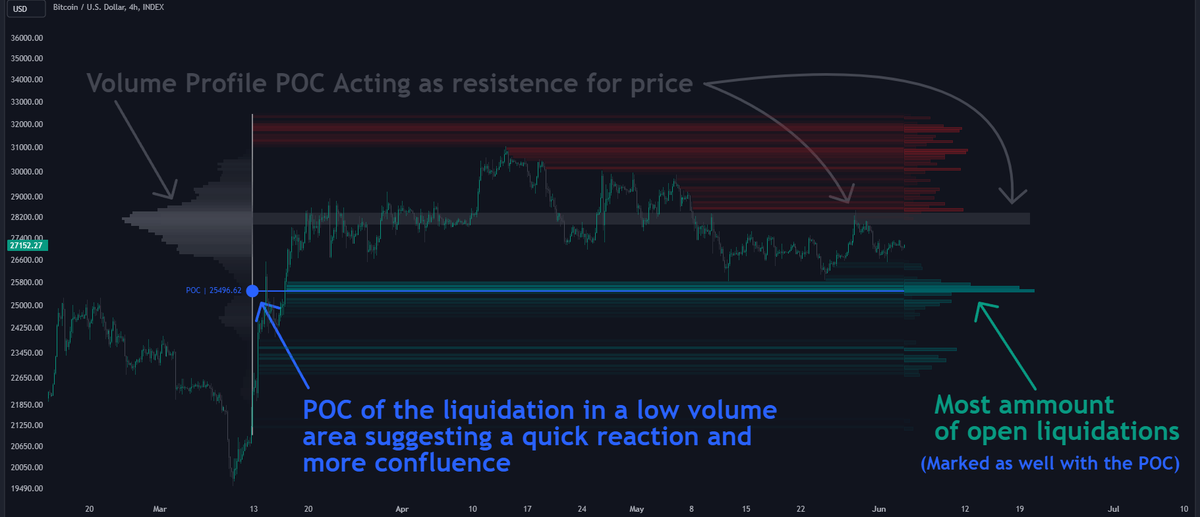
3.3 Heatmaps: Price swept long liquidity (a cluster of buy orders), triggering stops. Once that liquidity was cleared, buyers pushed price higher. These liquidity sweeps often lead to quick reversals. Mark clusters of open orders as targets for entries and stops.
4. VWAP VWAP is the session’s average price weighted by volume. Use it as an intraday fair-value benchmark. Price above VWAP = Short-term Bullish Below VWAP = Bearish It often acts as dynamic support/resistance and an institutional reference.
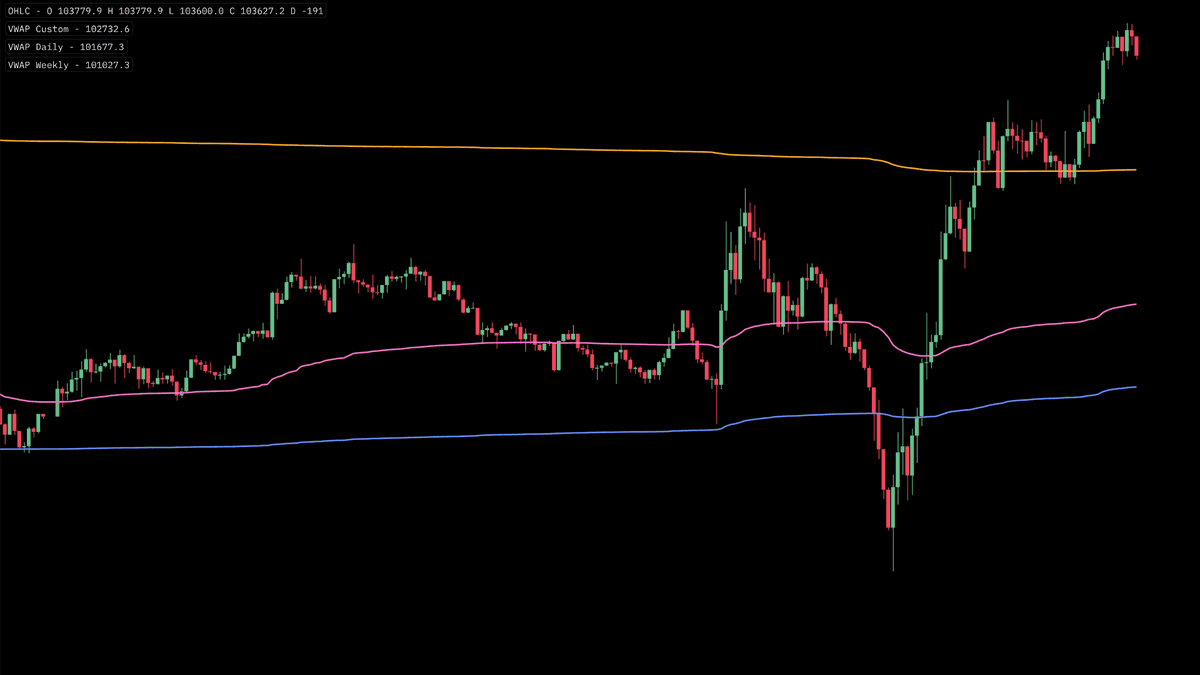
4.1 VWAP Daily VWAP is the session’s volume-weighted average price that resets each trading day. Use it as the intraday fair-value line: Price above = Bullish Price below = Bearish

@SoulzBTC thanks man, bookmarked with the other threads
@stecryptoshaman Thanks brother 🤝🏽
@SoulzBTC 👍👍👍
@SoulzBTC Quality information, as always
@SoulzBTC @threadreaderapp unroll
@SoulzBTC Thanks Soulz