
Have you ever noticed that old clothes online sometimes look better than old clothes in your closet? Why is that? 🧵

It's often said that clothes were better made in the past. This is true to some degree, although the discussion is often narrowly focused on durability. In this thread, I'll focus on something else: how clothes age, which affects how long you enjoy wearing them.


I'll give you some examples. A hundred years ago, denim was mostly woven on slow shuttle looms, which produced a narrow-width fabric that was finished with a self-edge (selvedge). This fabric was taken straight off the loom and given to factories. YouTube bluelabamsterdam8250

Since the fabric was relatively unprocessed, it was stiff, heavy, and prone to dramatic shrinkage. This is why people in the past often cuffed their jeans. As their jeans shrank, they could adjust the bottoms so they could avoid having to wear "high waters."




Over time, new technologies developed. The projectile loom was faster and made wider fabric, allowing the mill to cut cost. Sanforization minimized shrinkage; calendaring produced a smoother, more lustrous surface; and pre-washing softened the material to win over consumers.
Consumers led by cost and comfort prefer the cheaper, softer models. But here's the catch: the new stuff doesn't age very well. The older method produces a stiffer, heavier fabric that's not very comfy at first, but it softens with time and develops fades IG sonofastag, selfedge
One can liken it to the difference between a butcher’s cut of beef and a package of bologna. The second is so heavily processed, you've lost all the character. Worse still if the jeans contain stretch, as this reduces your ability to repair them, thus shortening their lifespan.




The same is true for other areas, such as leather shoes. Prior to World War 2, most shoes were made from full grain leather, which showed the natural grain of the hide. After the war, demand for cheaper footwear meant companies started to use "corrected grain" leather.
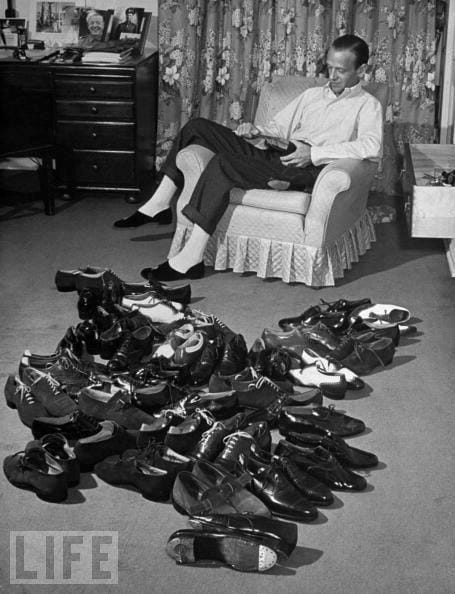
Corrected grain leather is a lower quality hide that has been sanded down to remove imperfections, then given a chemical coating to produce a consistent finish. It's shinier and more stain resistant, but also less breathable and less able to develop a natural patina.


Full grain leather shoes made with sewn-on soles develop a patina like an old mahogany desk and can be resoled many times, extending their useful life. Corrected grain shoes with glued on soles look kind of plasticky and get worse over time. They're designed to be thrown away.


We see this same principle everywhere. In the 1950s and 60s, the US military produced their fatigues from pure cotton before switching to a 50/50 cotton-poly blend in the 1980s. The blend is cheaper, but for vintage enthusiasts, you lose the beautiful fades that came with cotton.


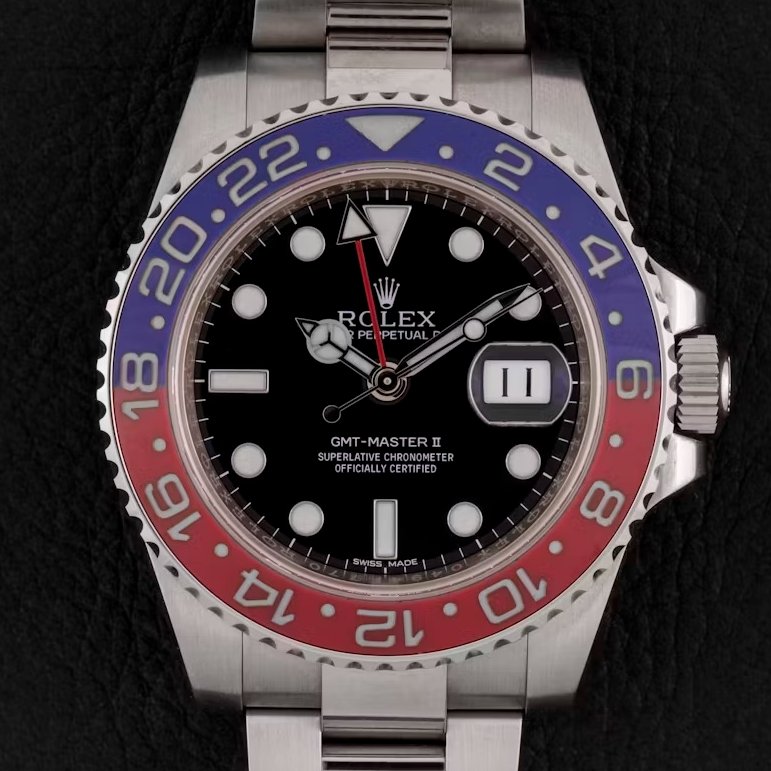
Vintage Rolex watches were made with radium or tritium lume that aged to a soft, creamy yellow, and aluminum bezels that faded beautifully over time. Modern versions use Super-LumiNova or Chromalight lume and scratch-proof ceramic bezels, which will always look the same.

The thing is, we know patina looks better. The allure of patina is why Pete Hegseth was drawn to these shoes, which have artificially darkened toes to imitate the look that quality footwear confers over time. This is done with a dark polish at the factory.


To be sure, I don't have a problem with fake patina. Like anything, it can be done well or poorly (although I think the shoes above don't look particularly good). But the reason why we like patina is because it adds character to an outfit. IG jabarisandifer
One way to get patina is to buy high-quality clothes and wear them for a long time. Consider the material, design, and construction. Will you love wearing this for ten years? Can it be easily repaired? Like these Ship John pieces made to fade and be repaired. IG shipjohn

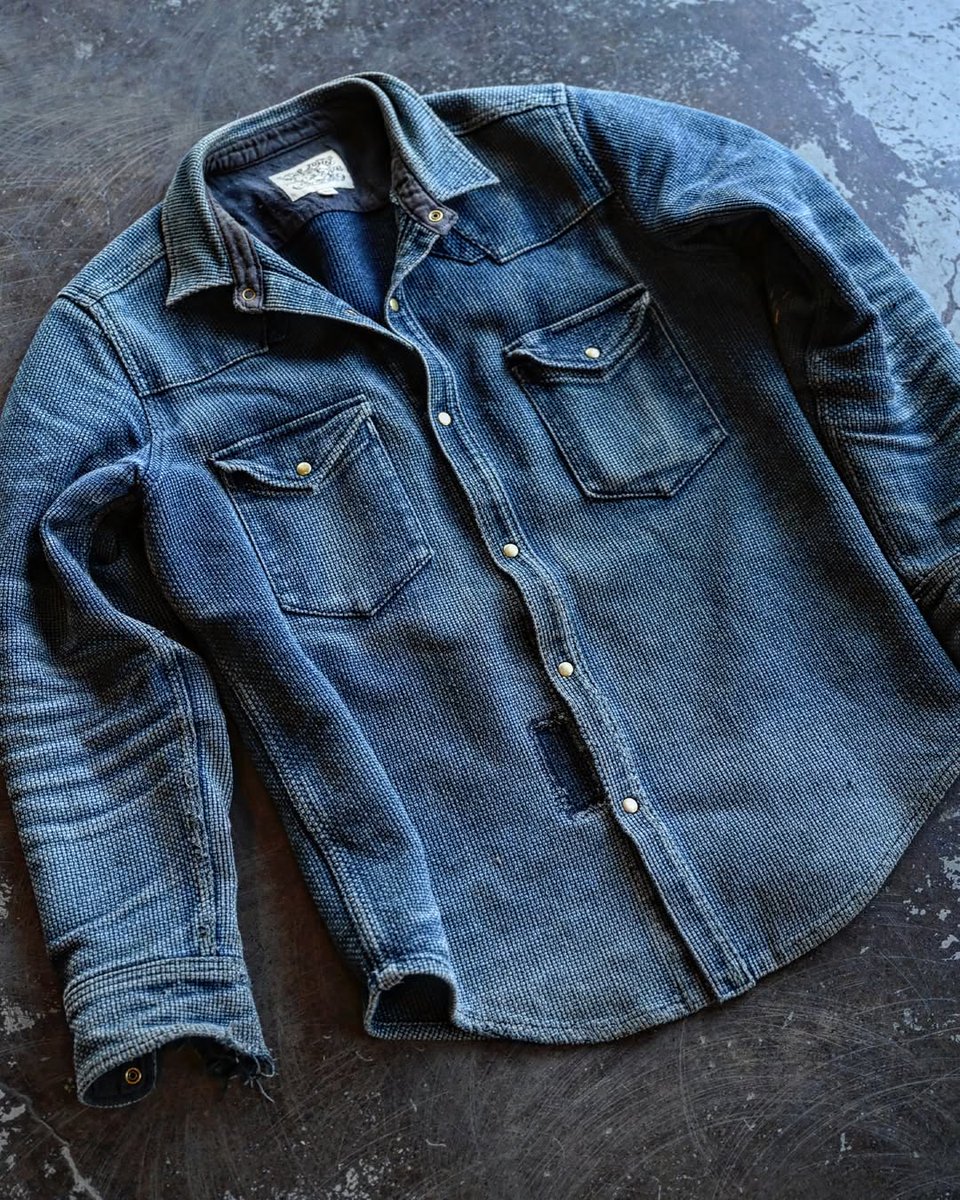

Alternatively, you can shop vintage. For online shopping, I like Wooden Sleepers (NY), Raggedy Threads (NY), Moth Food (NY), Front General Store (NY), Velour (OR), Buttersworth Vintage (UK), Jojo's General Store (UK), & Broadway & Sons (Sweden).
As you shop, consider how the material will age, not just how long it will last. Will it age beautifully over time? Can you easily repair it? Will the repairs add to the item's appeal? As always, buy less, buy better, and take care of what you own IG carolinafurniturecollective
@dieworkwear And here I thought it was because I don’t have good lighting in my closet…
@dieworkwear Can you make a thread on natural dyes or is it too awakened for you?
@dieworkwear Gravity and resistance.
@dieworkwear I thought it was just like the grass being greener on the other side.
@dieworkwear Or they simply took better care of them.
@dieworkwear Presentation.
@dieworkwear Facts.
@dieworkwear great thread!
@dieworkwear Absolutely incredible and enjoyable read, thanks so much Derek
@dieworkwear Memories