
Save this Thread 🧵— your quick refresher on the No-Arbitrage Conditions for Option Prices.
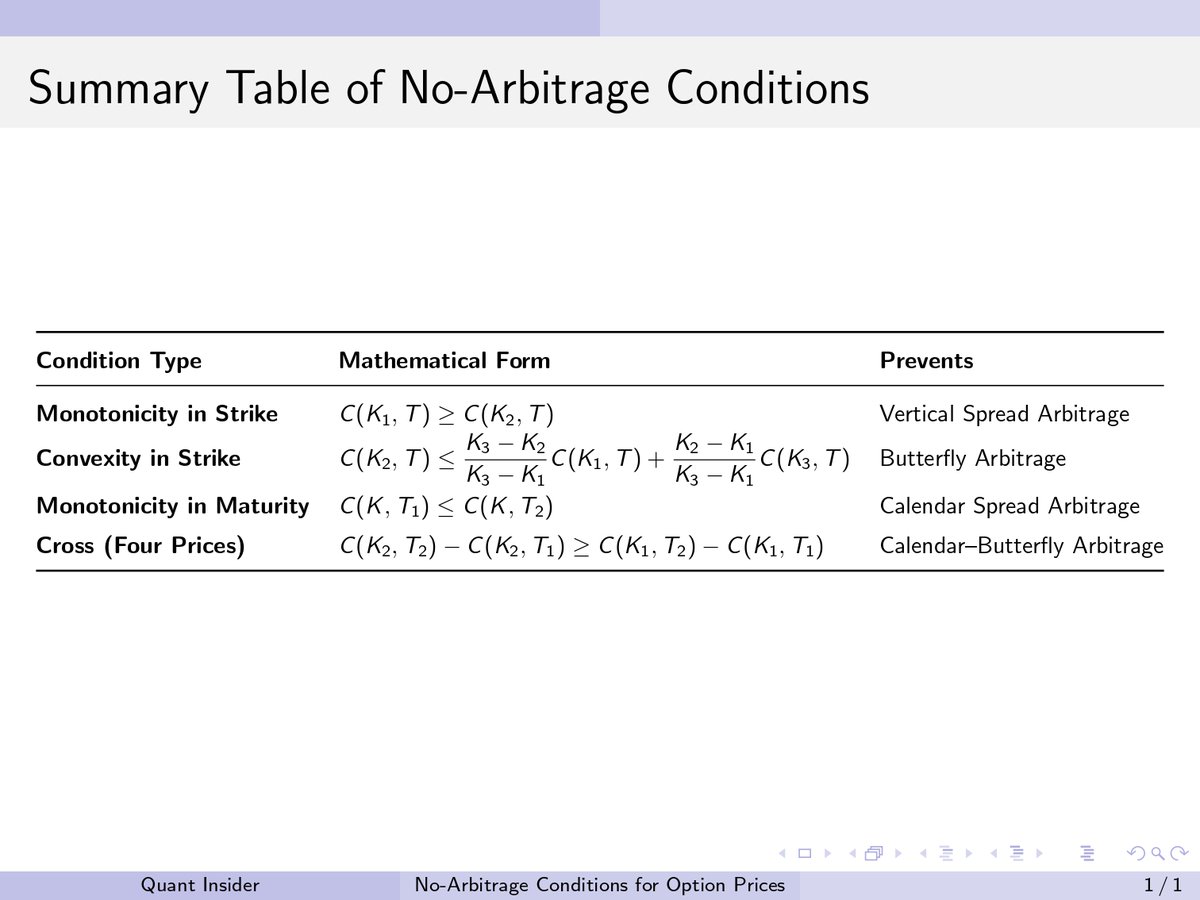
1. Monotonicity in Strike Mathematical Form: C(K1,T)≥C(K2,T), for K1<K2 As the strike price increases, the call option price must not increase. A higher strike gives you a less favorable right (to buy at a higher price), so the call should be cheaper. Prevents: Vertical
2. Convexity in Strike Option prices as a function of strike must be convex. The price at an intermediate strike K2 should lie below or on the straight line connecting C(K1) and C(K3). Prevents: Butterfly Arbitrage (constructing a butterfly spread for guaranteed profit).
3. Monotonicity in Maturity Mathematical Form: C(K,T1)≤C(K,T2), for T1<T2 Meaning: A longer-dated option (with the same strike) should always cost more or equal, since it offers more time for favorable movements. Prevents: Calendar Spread Arbitrage (profiting from mispricing
4. Cross (Four Prices) Mathematical Form: C(K2,T2)−C(K2,T1)≥C(K1,T2)−C(K1,T1) Ensures consistency between strike and maturity dimensions together. The increase in option value due to longer maturity should itself respect monotonicity in strike. Prevents:
A new RL method stabilizes LLM training for SOTA performance Introducing BAPO: Balanced Policy Optimization with Adaptive Clipping. This novel framework addresses key challenges in off-policy reinforcement learning for LLMs by dynamically adjusting clipping bounds to boost

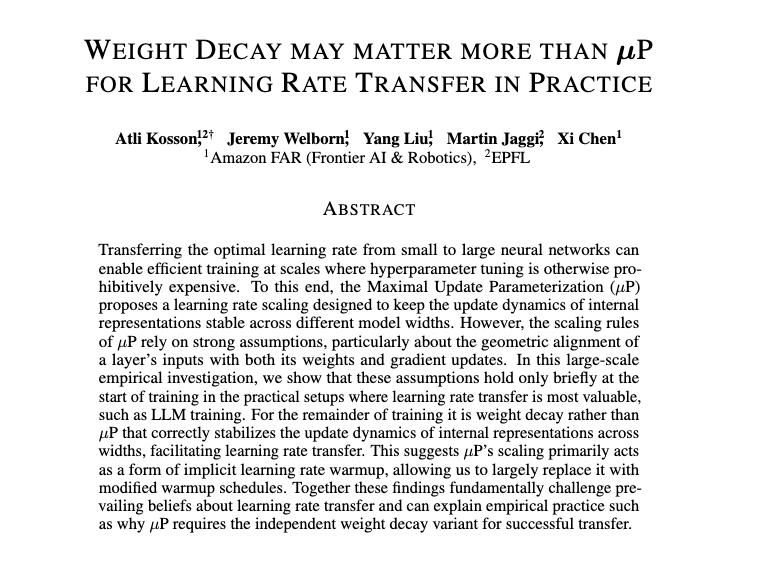
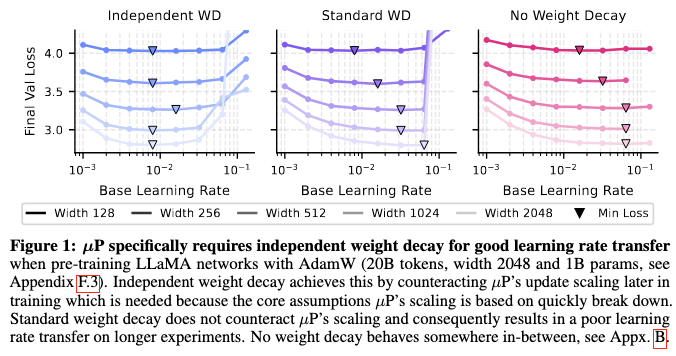
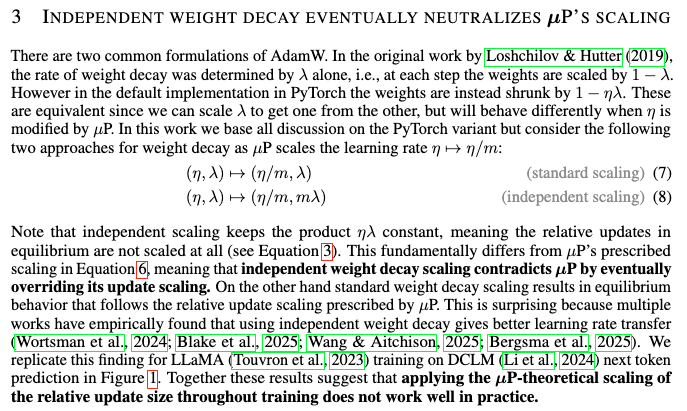
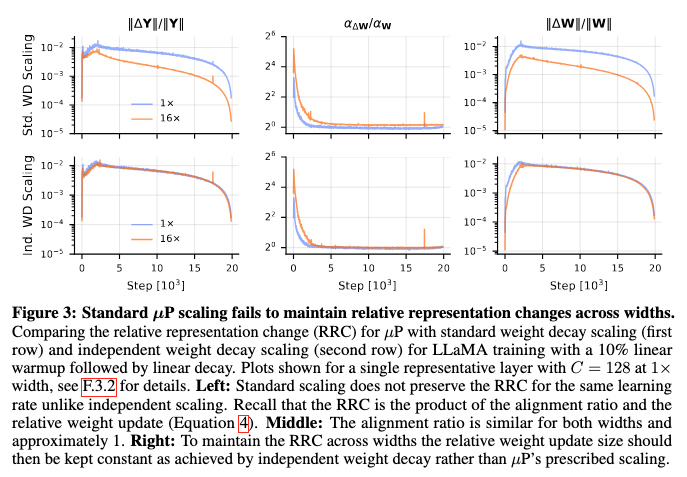
Another interesting paper about how to scale weight decay with muP for AdamW, from a different perspective. They argue for «independent weight decay scaling» as a way to maintain relative update sizes and ensure hyperparameter transfer. https://arxiv.org/abs/2510.190...
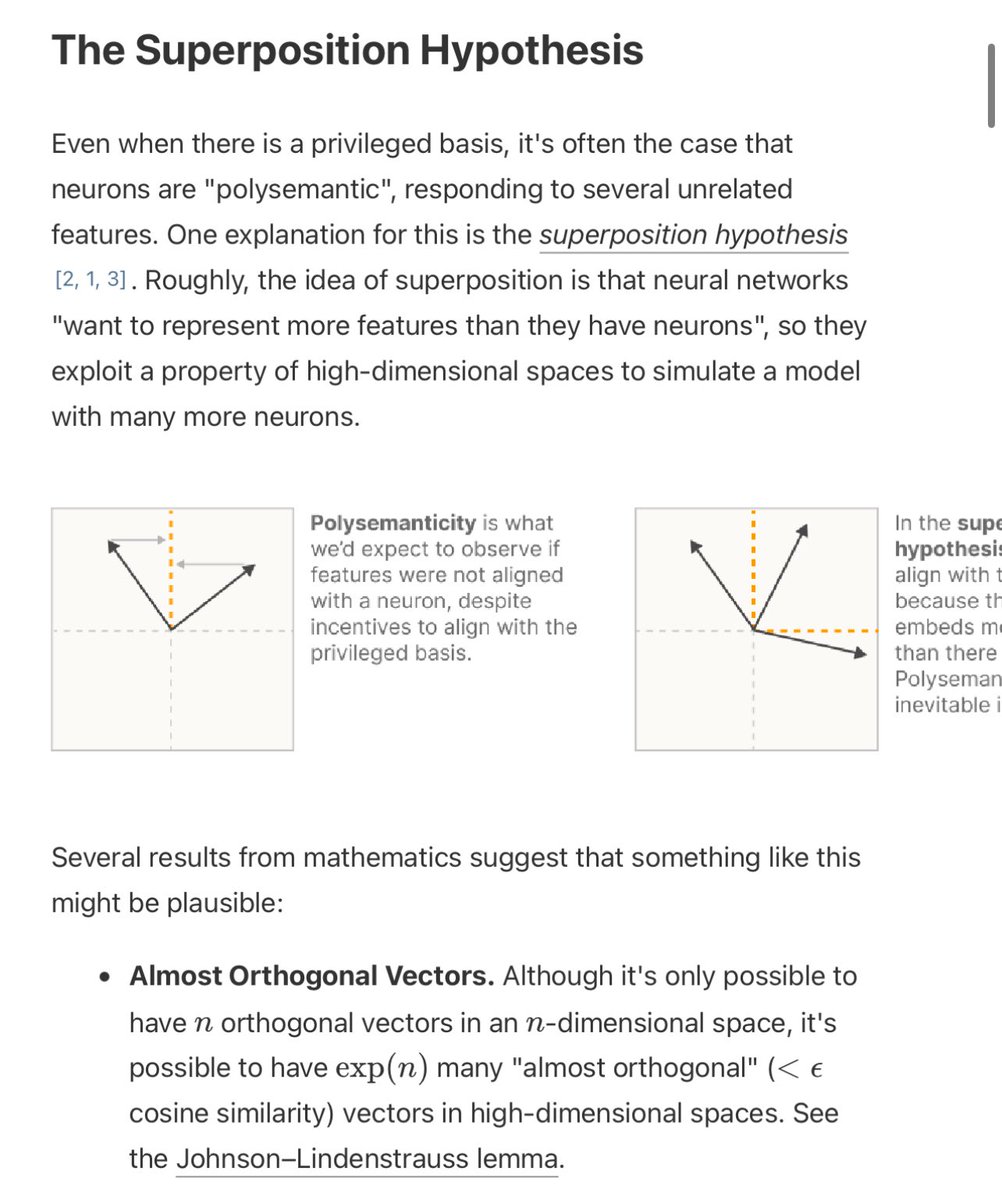
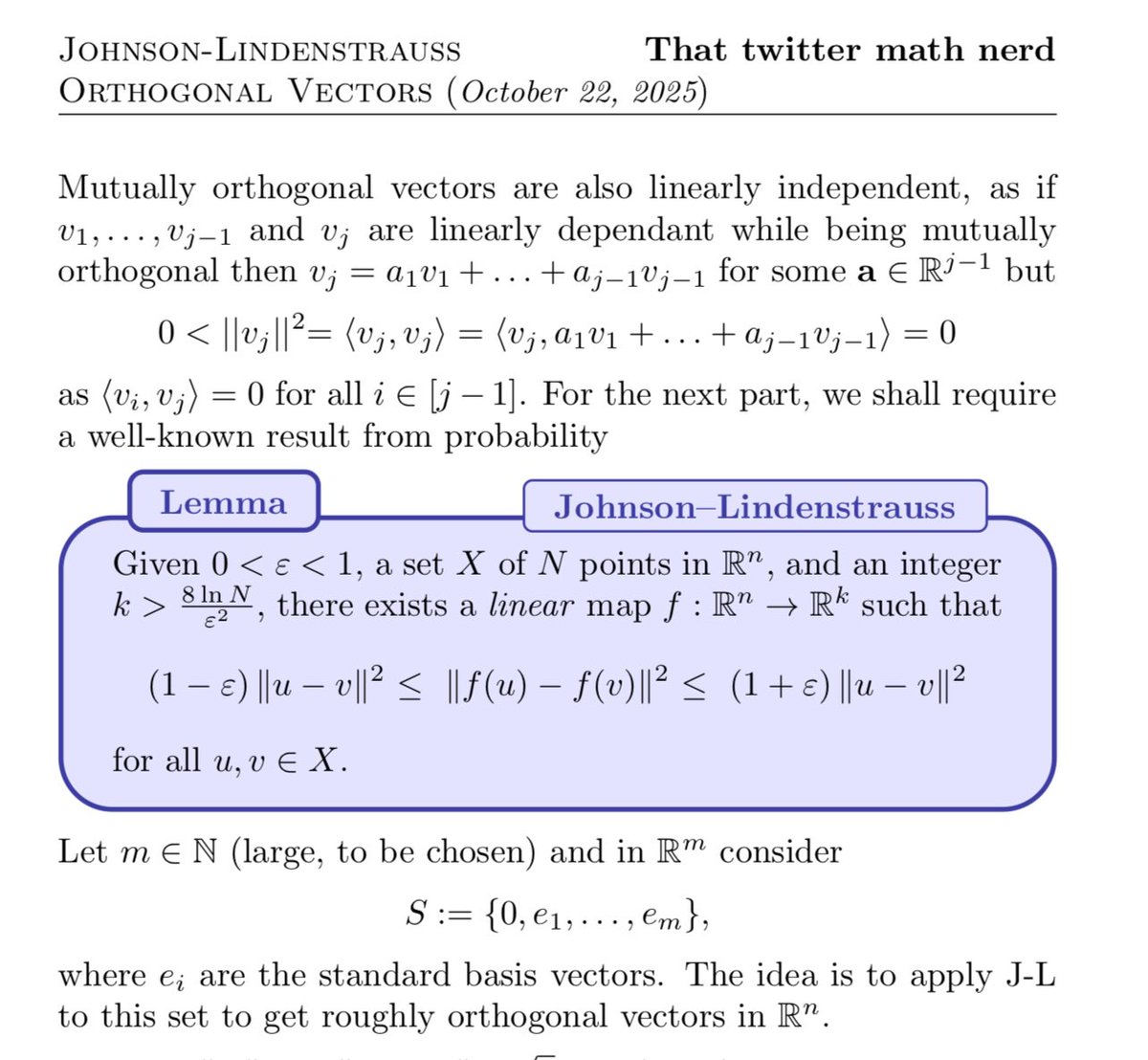
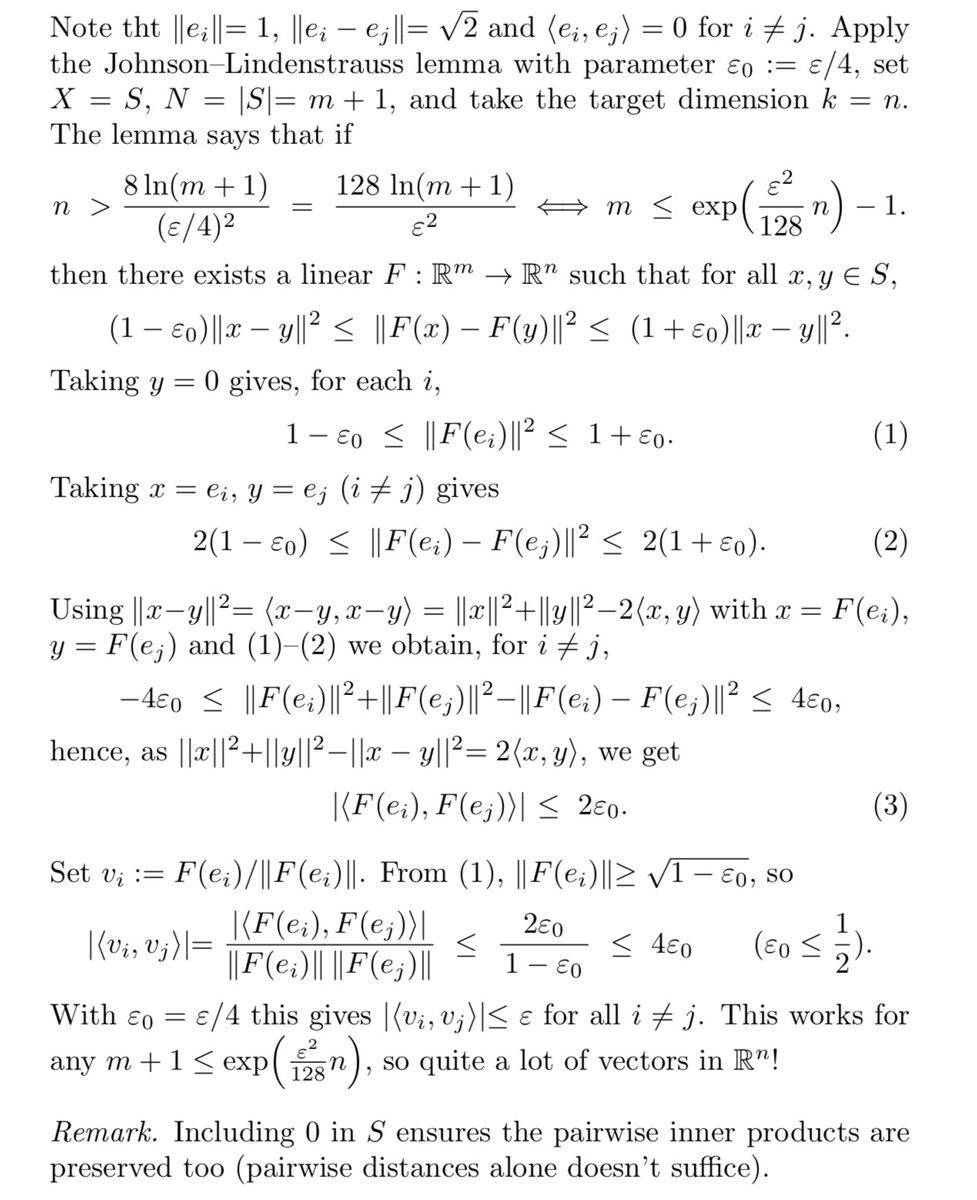
I saw this while reading Anthropic’s “Toy models of superposition” (https://transformer-circuits.p... I was surprised to see J-L mentioned, and their paper shows an analogue of it can be true for NNs! The proof is really a one-liner (“apply J-L from big space to small”). The details:
Can LLM verbalize a new concept? Yes (we plug it back in to evaluate) Does LLM synonyms of such concept? Yes (and apparently *some* of them are common across models: machine synonym ) Can we use these new concepts to control and understand the model better? We think so, but you