
🧵 Part 2 — The Venous Return Curve 1️⃣ Last time, we fixed the cardiac function curve. Now let’s look at the other half of the story — venous return — and how the circulation really feeds the heart. #FOAMed #MedX #physiology
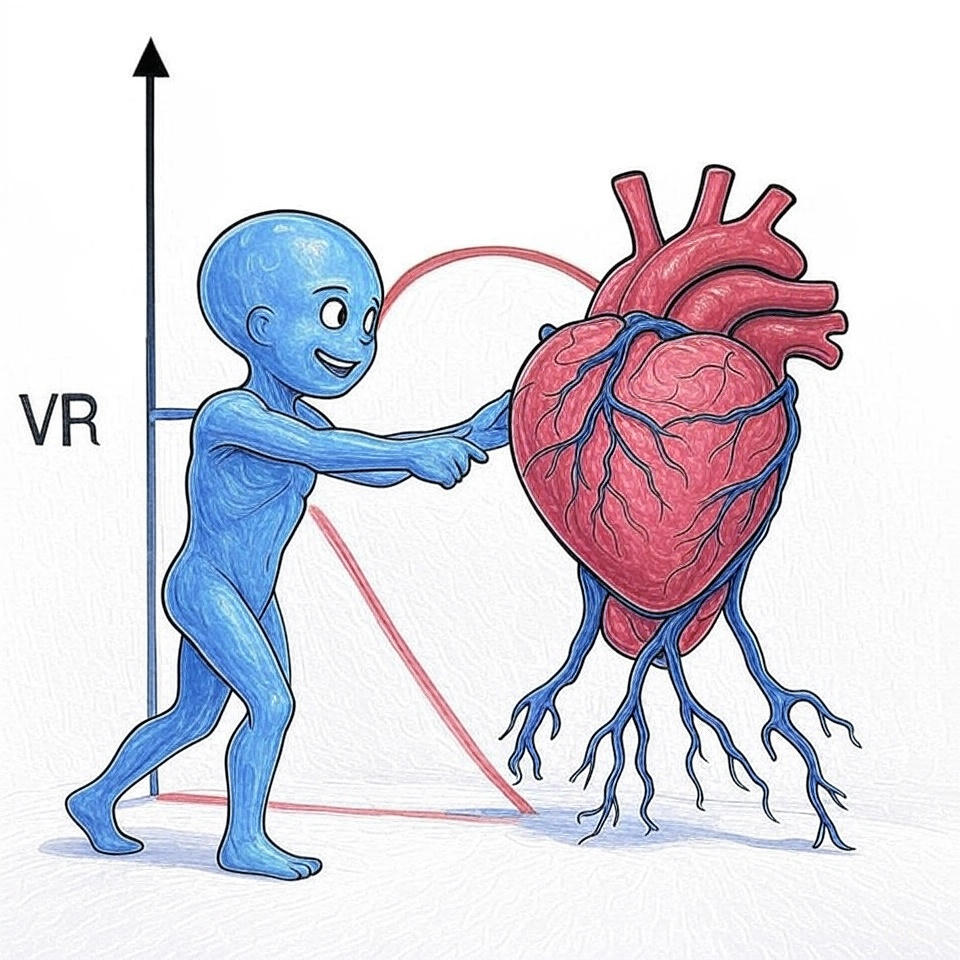
2️⃣ The venous return (VR) curve describes how blood flows into the heart for any steady state of the venous system. It’s not about forcing RAP up or down — it shows the equilibrium between flow and pressure for a given system tone and volume.
3️⃣ Mathematically: VR = (Pms - RAP) / Ivr • Pms = mean systemic filling pressure → “push” from stressed volume & venous tone • Ivr = inlet impedance – how easily blood enters the heart (similar to Guyton’s RVR but dynamic, not fixed) • RAP = dependent feedback pressure
4️⃣ On the graph: • Y-axis: venous return (flow) • X-axis: right atrial pressure (RAP) • The x-intercept (RAP = Pms) is where flow = 0 – the pressure you’d measure everywhere if the heart stopped - the mean systemic filling pressure
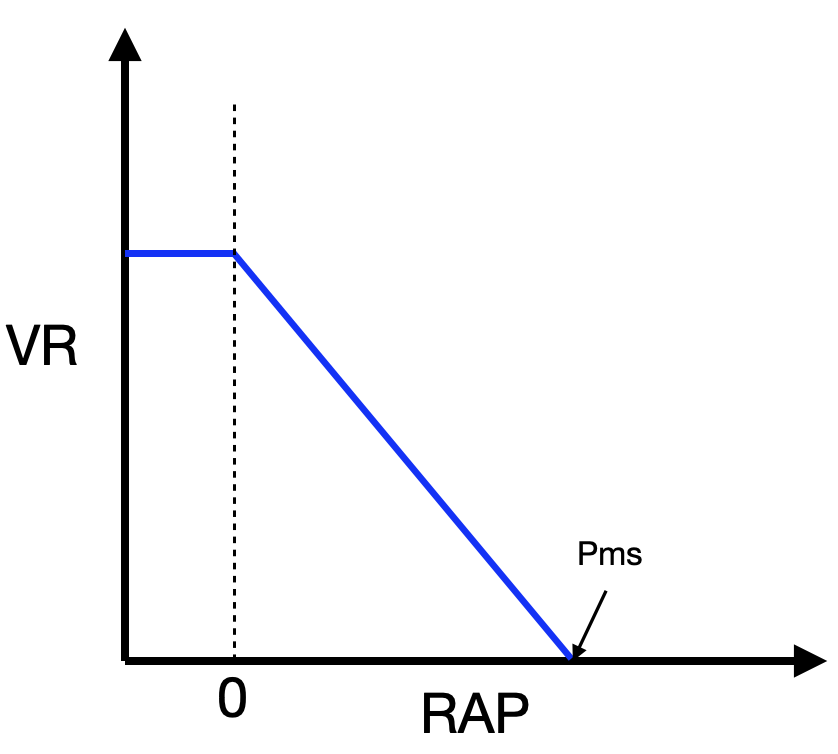
5️⃣ The curve is roughly linear through its middle range, flattening at low RAP when the great veins collapse. At that point, lowering RAP further can’t increase flow – the doorway’s as wide open as it can be.
6️⃣ Changing Pms Changing Pms moves the entire curve up and to the right (or down and left) – the slope stays the same. When this stays on the normal (near vertical) portion of the cardiac curve: • ↑ Pms (fluids, venoconstriction) → ↑ CO at ~constant RAP • ↓ Pms
7️⃣ Changing Ivr Changing Ivr (inlet impedance) alters how easily blood reaches the heart – changing both the height and slope of the curve (since the x-intercept, Pms, stays fixed) • ↑ Ivr (PEEP, IVC compression) → flatter curve → ↓ flow at the same RAP • ↓ Ivr

8️⃣ The bigger picture Some changes move the venous curve independently: • ↑ or ↓ Pms → fluids, venoconstriction, venodilation • ↑ Ivr from external compression → IVC clamp, PEEP, tamponade In these cases, the cardiac function curve stays put, and the operating point
9️⃣ Summary • Pms sets the intercept (how full the system is) • Ivr sets the slope (how freely blood enters) • RAP finds its level where inflow = outflow The venous return curve isn’t blood being “sucked in” – it’s the circulation settling into balance.
Start here ⬇️ https://x.com/icmteaching/stat...
Right heart failure in critical and chronic care ➡️ Occurs in 20–30% of cardiogenic shock and up to 50% of ARDS patients ➡️ 1-year mortality doubles with RV dysfunction ➡️ 3-year survival in PAH falls below 60% once RHF develops CCR Journal Watch https://criticalcarereviews.co...

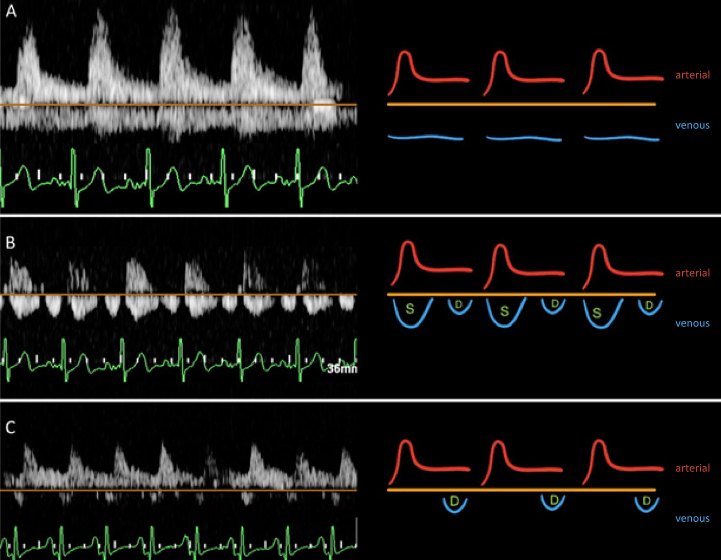
#POCUS #VExUS New study explores intrarenal venous flow (IRVF) patterns and fluid removal in critically ill patients - an interesting effort, though with several gaps. However, the conclusion carries a high risk of misinterpretation: “Discontinuous IRVF patterns at baseline were
🚨 Vasopressor Extravasation? Don't panic—intervene early. 💉 💉 Phentolamine 🧴 Nitro ointment 💨 SC Terbutaline 💪🏽 Save a limb, save a life. Quick-reference REBEL REVIEW 👇 📸 PMID: 28890646 #FOAMed #EM #CriticalCare #PharmTips @EMSwami @MRamzyDO @Marco_propersi @Srrezaie

New blog: Fresh dueling guidelines about post-arrest care from the AHA & ESICM 💔 BP & O2 targets 💔 Who needs emergent cath? 💔 pan-CT scans 💔 temp targets 💔 neuroprognostication Which guideline do I love? 😍 You'll have to read the post to see https://emcrit.org/pulmcrit/20...
