
Here are some practical insights that will help you combat depression. After all, even to this day, most of the things the average person knows about depression are incomplete and sometimes flat-out wrong. For example: -The best treatment for depression is SSRIs. -Depression

*Standard disclaimer that nothing in this thread should be used as a substitute for medical advice* It's George. First things first. Just because you are sad and dissatisfied with certain areas in your life, it does not mean that you are depressed. In order for someone to meet

Now if you are one of the people who just loves big pharma and hates alternative approaches, realize that: -SSRIs have plenty of side effects, one of which is an increase in su*cide rates -Serotonin depletion does NOT cause depression So before dismissing any alternative


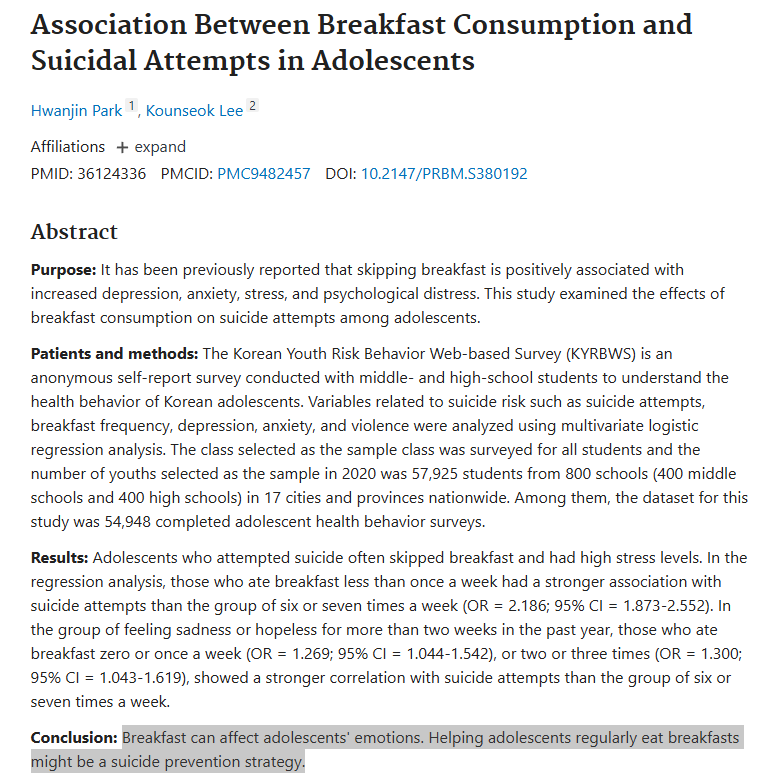
Now, if you are depressed, here are a few things that you might have to work on. Number 1: Your circadian rhythm. To put in perspective how crucial this is, eating breakfast is linked to lower suic*de rates. Plus: Spending 1.5 h/day in outdoor light is associated with a lower


Of course, chronic circadian rhythm disruption is now shown to exacerbate or directly contribute to conditions such as: -Gastrointestinal problems, including IBS -ADHD, depression, bipolar disorders, anxiety and broader mental health issues -Insulin resistance and metabolic


Number 2: Glymphatic dysfunction. The glymphatic system is a mechanism that clears waste products, toxins, and metabolic byproducts from the brain. It’s named for its reliance on glial cells and its functional similarity to the lymphatic system. Here’s how it works in a

Number 3: Your nutrition matters a lot. More than you probably want to (just tap in the pics). For example: -A meatless diet increases the frequency of depressive episodes. -Thiamine and B12 decrease depressive episodes -Suic*de victims often show low levels of zinc, magnesium


If you are still skeptical, see the effects of vitamin C and myo-inositol. Keep in mind: These are just two nutrients. Two.


We also can't forget about lithium. Overall, lithium is neglected these days, but a simple lithium deficiency can create more problems in the brain than we think. Here's an example: In a nature study, out of 27 metals, lithium was the only metal significantly reduced in the PFC


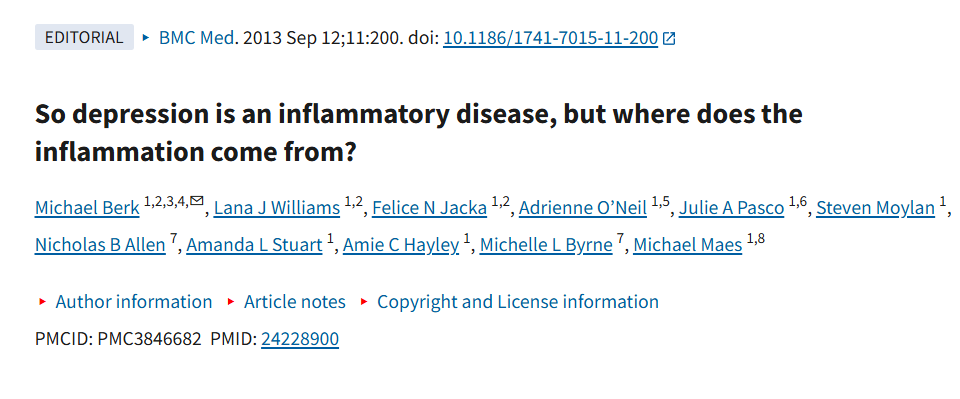
Number 4: You need to monitor your cortisol levels. Psychosocial stressors, especially early life adversity (abuse, neglect etc), activate the hypothalamic-pituitary-adrenal (HPA) axis, increasing cortisol and pro-inflammatory cytokines like IL-6 and TNF-α. The Dunedin study

Then, spending time in nature is a good idea since walking in nature for example: -Reduces amygdala activity (especially in women). -It reduces cortisol quite fast (even 30 minutes spent in nature can lower cortisol by 30%-50%). -Is one of the most effective ways to destimulate.


This study on waterfalls is also very interesting.

Number 5: Cut out the junk food and alcohol. These are the fastest ways to lower some of the existing inflammation. Just do it.
Number 6: Go test your hormones (a thyroid panel, insulin/IGF-1, an androgen panel and an estrogen panel). Point blank: A basic TRT dose might do more than 20000 SSRI pills for plenty of men and underestimating the impact that low testosterone can have on the mood of men for


But since a lot of you will neglect this, here are some more facts, such as that being insulin resistant 2X your risk for depression.


Number 7: Get sunlight. Sunlight does more than "give you vitamin D" when it comes to depression. Melatonin is made from the aromatic amino acid tryptophan, whose indole structure (a benzene ring fused to a pyrrole ring) contains a conjugated π-electron system that gives it UV


Number 8: A lot of the time people with treatment-resistant depression have SNPs in things such as the MTHFR or COMT (no one can have healthy neurotransmitters with poor methylation status or a poor ability to properly break down dopamine for example). **Low folate levels impair

Number 9: Work on your gut. All healthy people can become depressed through basic endotoxin infusions. https://x.com/Helios_Movement/...


Number 10: Support the the endocannabinoid system. This is a network of receptors, endogenous compounds and enzymes crucial for processes like stress responses, mood, sleep, appetite, pain, inflammation and even neuroplasticity. Major depression, generalized anxiety disorder

Number 11: Support neurotrophic factors. Depression is often tied to reduced neuroplasticity and hippocampal atrophy. BDNF and NGF counteract this by promoting synaptic connections and neurogenesis, potentially reversing structural brain changes. These are proteins that act as
Number 12: Hit the IR sauna. It's not only proven to be more effective than not only SSRIs but exercise as well, but it's also a great way to deal with the heavy metal load.


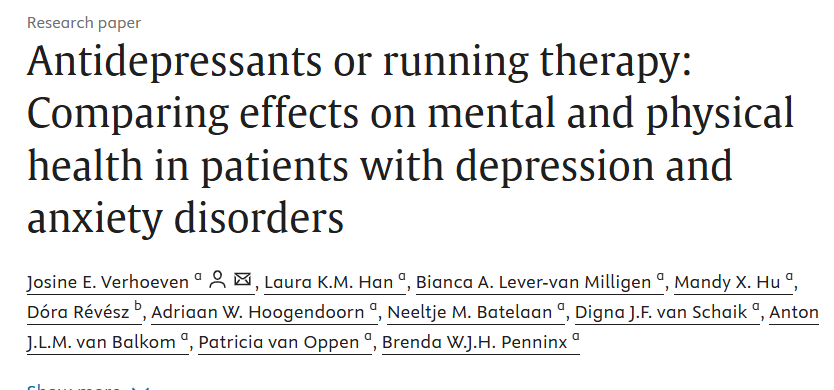
Number 13: Go and do your cardio right now. This isn't negotiable. Cardio is more effective than SSRIs and therapy

Number 14: If all these are too complicated, work on your mitochondria as step 1. Mitochondria are complex organelles found in nearly every cell of your body. They are responsible for many things such as producing ATP through oxidative phosphorylation for example. So from

Number 15: Go and read Nietzsche, Carl Jung, Rene Girard, Alfred Adler and Joseph campbell. This is "psychology" that won't bore you. -Jung would often viewd depression as a signal from the unconscious, indicating a disconnection from the self or a need for individuation


Number 16: Change the negative parts of your environment that you have control over. Basically, try to hang out with better people and at better places. It matters more than you think.

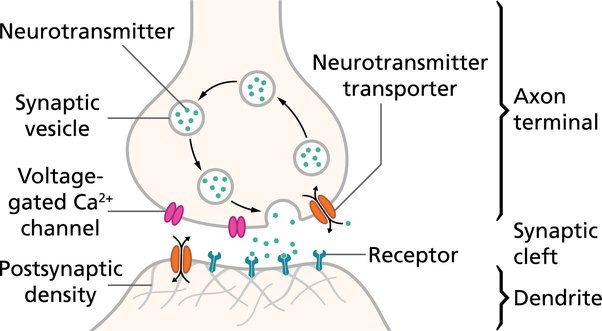
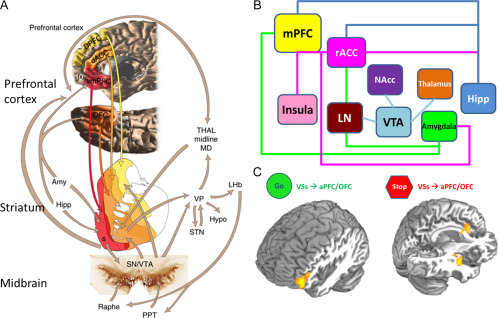
"All of these are bs an sound unscientific". Fine. Let's reframe what was just presented. Depression often shows dysfunctions in the mesocorticolimbic pathway (ventral striatum/nucleus accumbens [NAc], prefrontal cortex [PFC], amygdala, anterior cingulate cortex [ACC],


"These are great for unipolar depression, but what about bipolar?" If you search for a definition of Bipolar Disorder II you will get results such as that "it is a chronic mood disorder characterized by recurrent episodes of major depression and hypomania, a milder form of mania


That's all. I hope that you found this useful. If you did, make sure to leave a like/RT. https://x.com/Helios_Movement/...