
If You Want Clean Indoor Air, Not One Thing Will Work!! How Sadiq Khan is taking a page out of the Team GB Cycling Team’s playbook to clean up London’s air A 🧵
People spend the majority of their time indoors. As a result, indoor air quality is incredibly important for public health. So then, how do we improve the quality of indoor air? Well, there are countless ways. That said, they can be grouped into 3 broad areas.
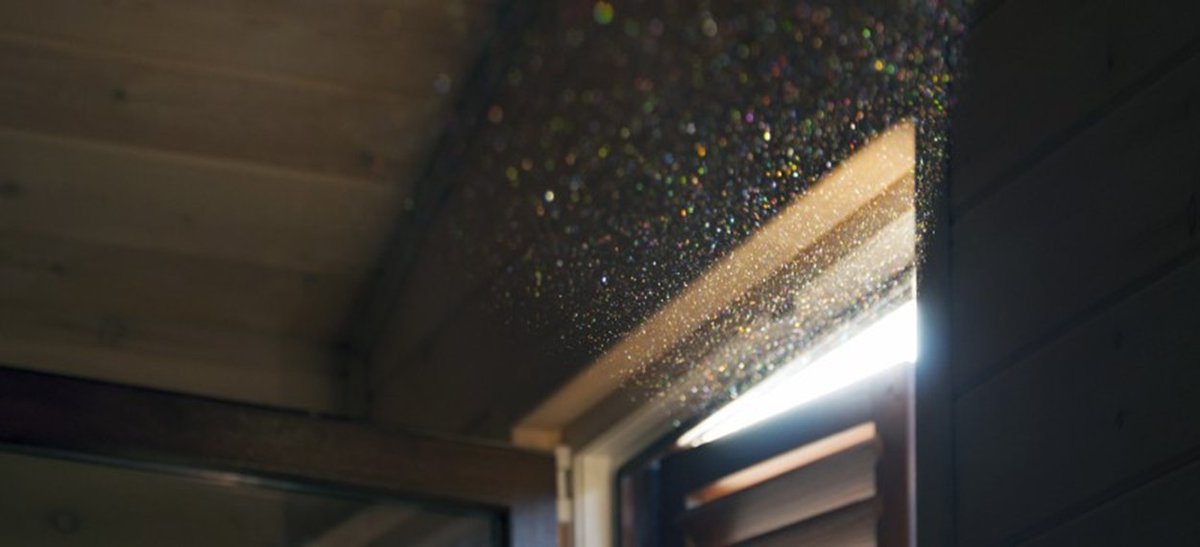
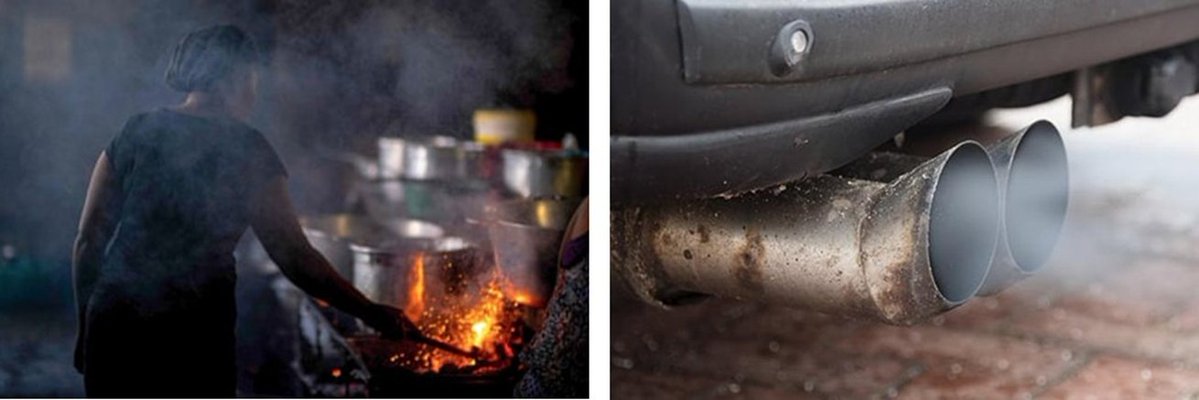
1) Source Control Air is naturally clean. It is largely human activity that pollutes it. So, by limiting the amount of air pollution produced, we can limit our exposure. This includes both indoor and outdoor sources.
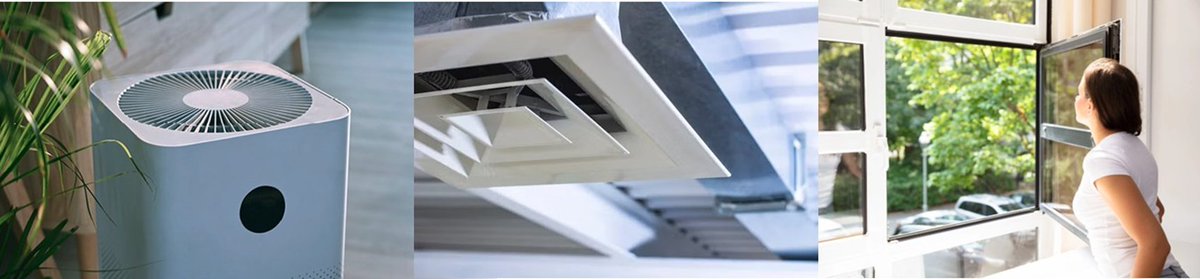
2) Actively Clean the Air This can be done through ventilation, which removes indoor air and replaces it with outdoor air. This can also be done through filtration to remove particulates.
The utility of ventilation will be highly dependent on the quality of the outdoor air. If only ventilation is used, then the indoor air can only get as good as outdoor air. If outside is polluted, then ventilation won’t help. Cleaner outdoor air makes cleaning indoor air easier

3) Limit Exposure with Personal Protective Equipment Devices such as masks will dramatically limit the number of particulates one inhales. However, some pollutants, such as ozone, will not be blocked by a mask
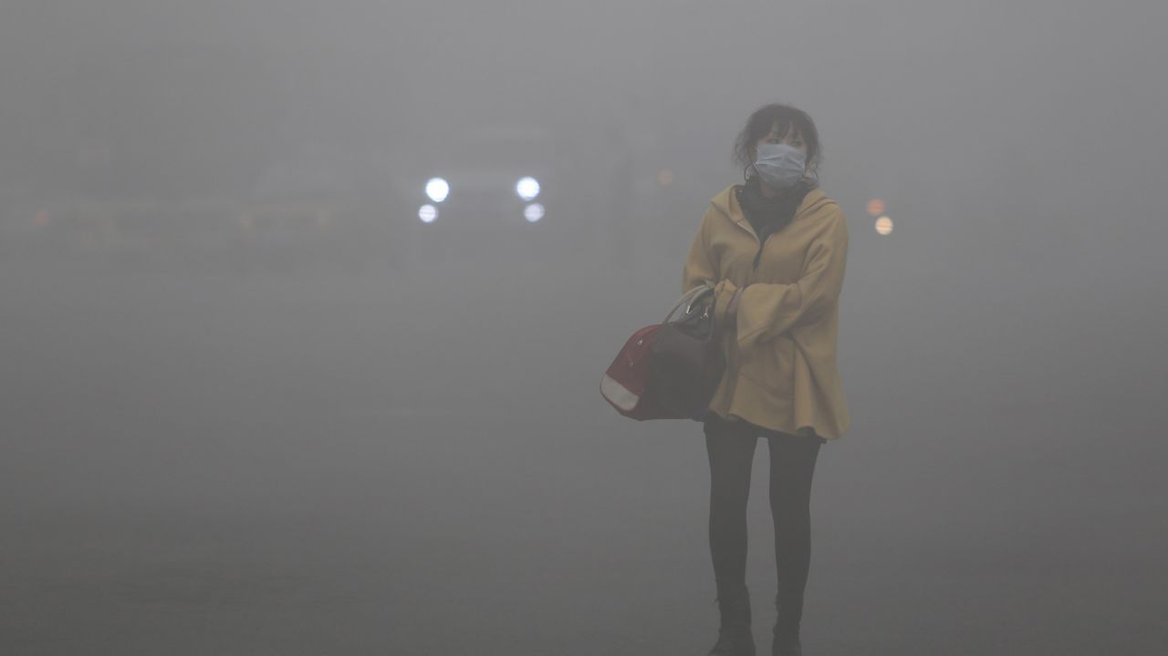
Since homes are not sealed boxes, to some degree, the quality of indoor air is linked to outdoor air. As mentioned, the effectiveness of many strategies to clean indoor air is also affected by outdoor air.

Thus, a big way to improve what’s happening inside is to address what is happening outside.
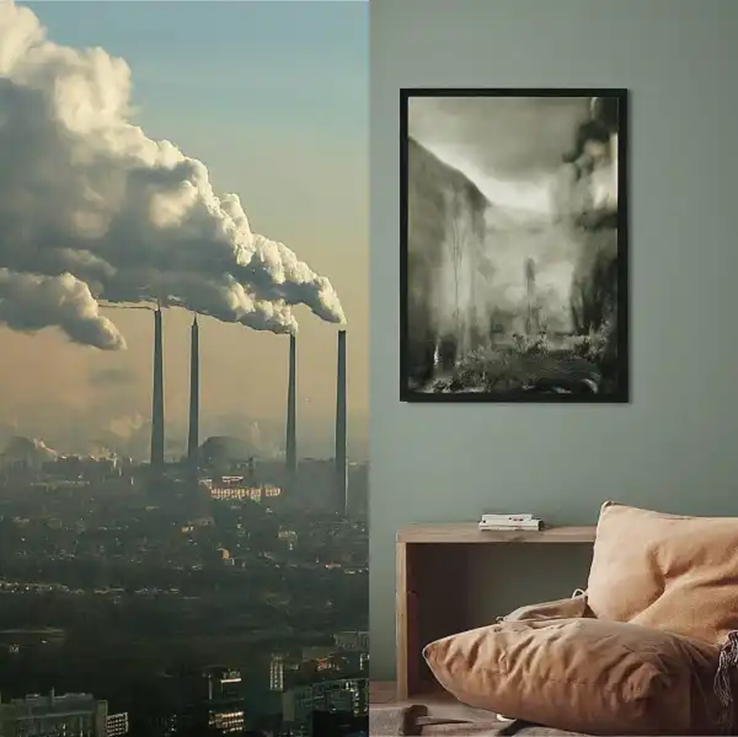
London’s nickname is “The Big Smoke”. The reason for this is that it had famously terrible air during the industrial revolution. London smog itself is a specific type of air pollution that is taught in environmental science classes.
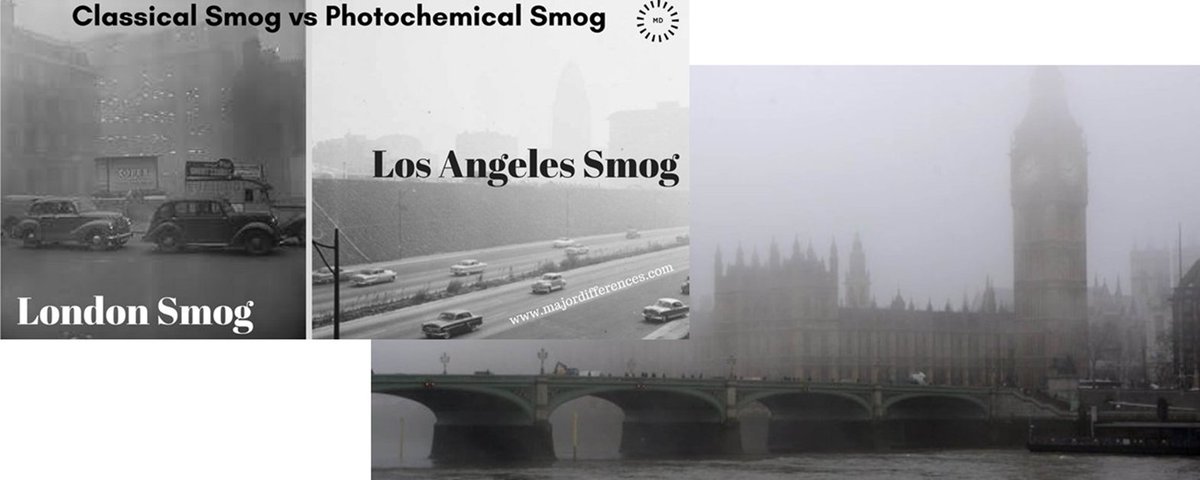
In 1952, a smog event caused between 4,000 to 12,000 fatalities. This tragedy led to clean air legislation that dramatically improved London’s air. https://youtu.be/w1FlliwNyfQ
While these changes improved London’s outdoor air, by the early 2010s it still was not all that great. In parts of London, NO2 (a major component of air pollution) was far above the UK’s legal limit. It was estimated that it would take 193 years to bring the NO2 to legal levels

And yet.... Early this year, London’s air pollution (NO2) levels fell within the UK legal limits. https://www.london.gov.uk/lond...
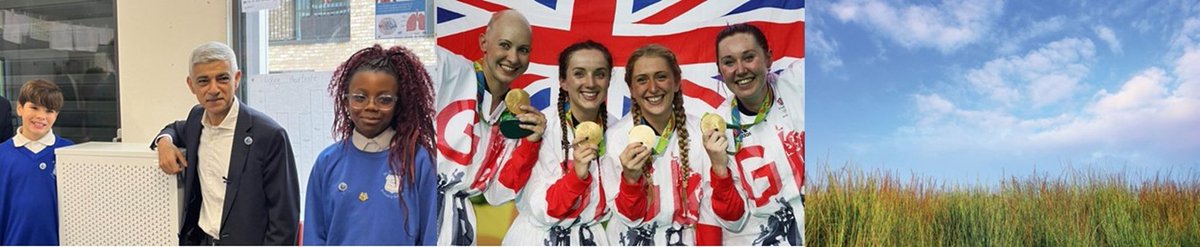
How then, did London accomplish this almost 2 centuries ahead of schedule? Simple. They did what the GB Cycling Team did. Improve everything.

The British cycling team used ‘the aggregation of marginal gains’ to go from a decent team in 2003 to dominate the sport during the 2008, 2012 and 2016 Olympics. https://www.anecdote.com/2024/...
Their idea was simple. Rather than dramatically improve a few things, they would improve everything by 1%. By improving everything a little, the cumulative effect would be significant. From seats, to tyres, to gears @BristolUni was involved in some this https://esdi.ac.uk/projects/te...
And boy, did this idea work. In the 2008 Olympics, the team won 8 gold (14 medals in total). In London 2012, they again won 8 gold (12 medals in total). The success continued in Rio 2016. A decade of Olympic dominance, through countless small improvements.

It would appear, that Sadiq Khan is taking a similar strategy when it comes to improving indoor air quality in London. Much like how Team GB made numerous small changes, Khan is doing the same in London, and to great success.

One major decision by Khan was to expand the ULEZ to all of London. This ended up being more effective at cutting air pollution than previously predicted. (Note that this tends to happen: benefits being greater than predicted!)

Did the ULEZ expansion alone solve the outdoor air pollution problem? No.
In 2016, London had 30 zero emission buses. This year, that number is more than 2,000.
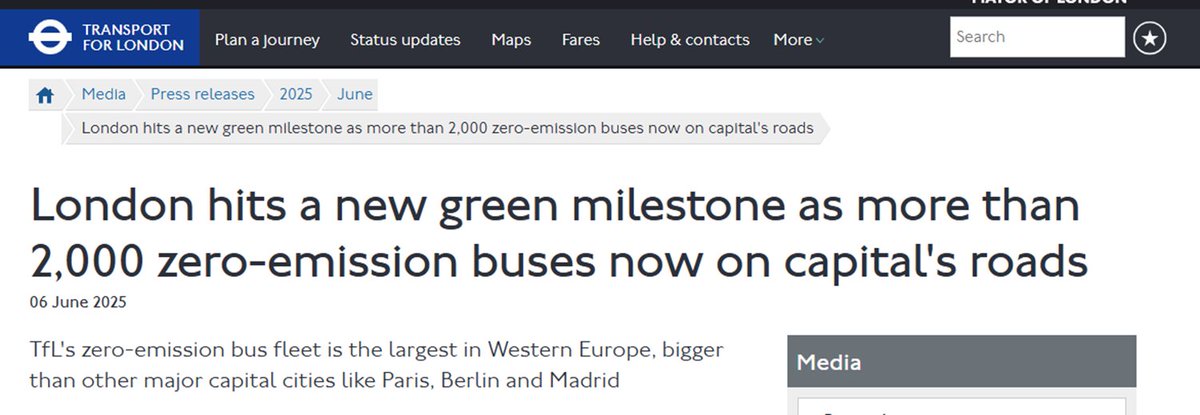
Did converting ~20% of all the the public transit buses to electric solve the outdoor air pollution problem? No.
Since 2021, London has increased the number of public charging points from 9,000 to over 25,500.

Did nearly tripling the number of EV charging points solve the outdoor air pollution problem? No.
They closed roads around schools to traffic at pick-up and drop-off times.
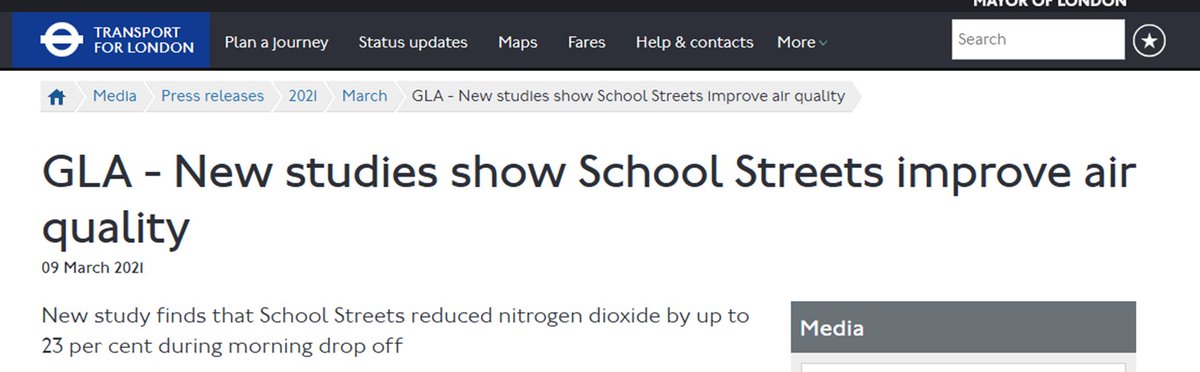
Did closing roads around schools during pick-up and drop-off times solve the outdoor air pollution problem? No.
They implemented policies to push down emissions from new buildings by half.
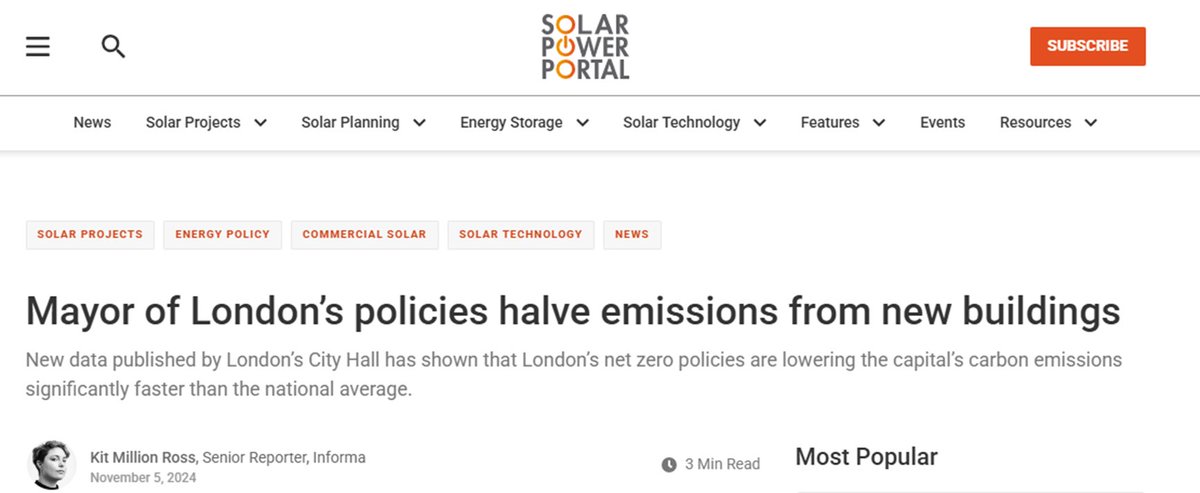
Did lowering the emissions from new buildings solve the outdoor air pollution problem? No.
I could go on, but you get the point. Not one of these actions “solved the problem”. But combined they are having a massive effect. This is how positive, lasting and meaningful change happens.
And granted, while things have improved a lot, there are still challenges that need to be addressed. For example, there are major concerns around the Rainham area. https://x.com/purplepenguin81/...
At every step, cynics will point and say that each individual action “won’t solve the problem”. And this is true. But it’s also true that no single thing caused the problem either.
We saw that this week when the investment into clean air filters into 200 schools was announced. This was HUGE And yet, the same old song was played: “this won’t solve the problem”. Quite frankly, that’s loser talk. Better is better.

@ukhadds @threadreaderapp unroll
@ukhadds Exactly this 👏🏽👏🏽👏🏽And to improve indoor air quality, we can take immediate actions, implement measures over the short and medium-term, and continue striving toward longer-term goals. https://www.safeairschools.org...
@ukhadds Thank you!