
1/ THE HUNGARIAN REVOLUTION, DAY 1: 69 years ago today, Hungary rose up against a tyrannical Communist government backed by the Soviet Union. With Hungary currently under another pro-Russian leader, the story of the Hungarian Revolution is still strongly relevant.
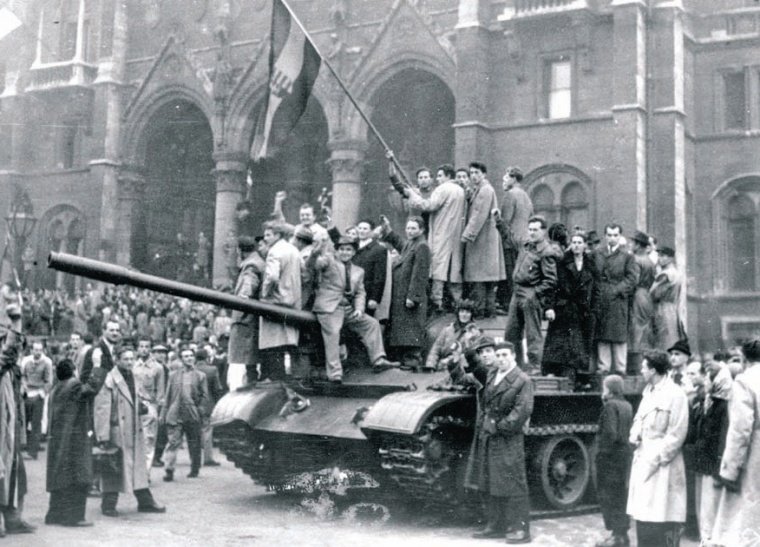
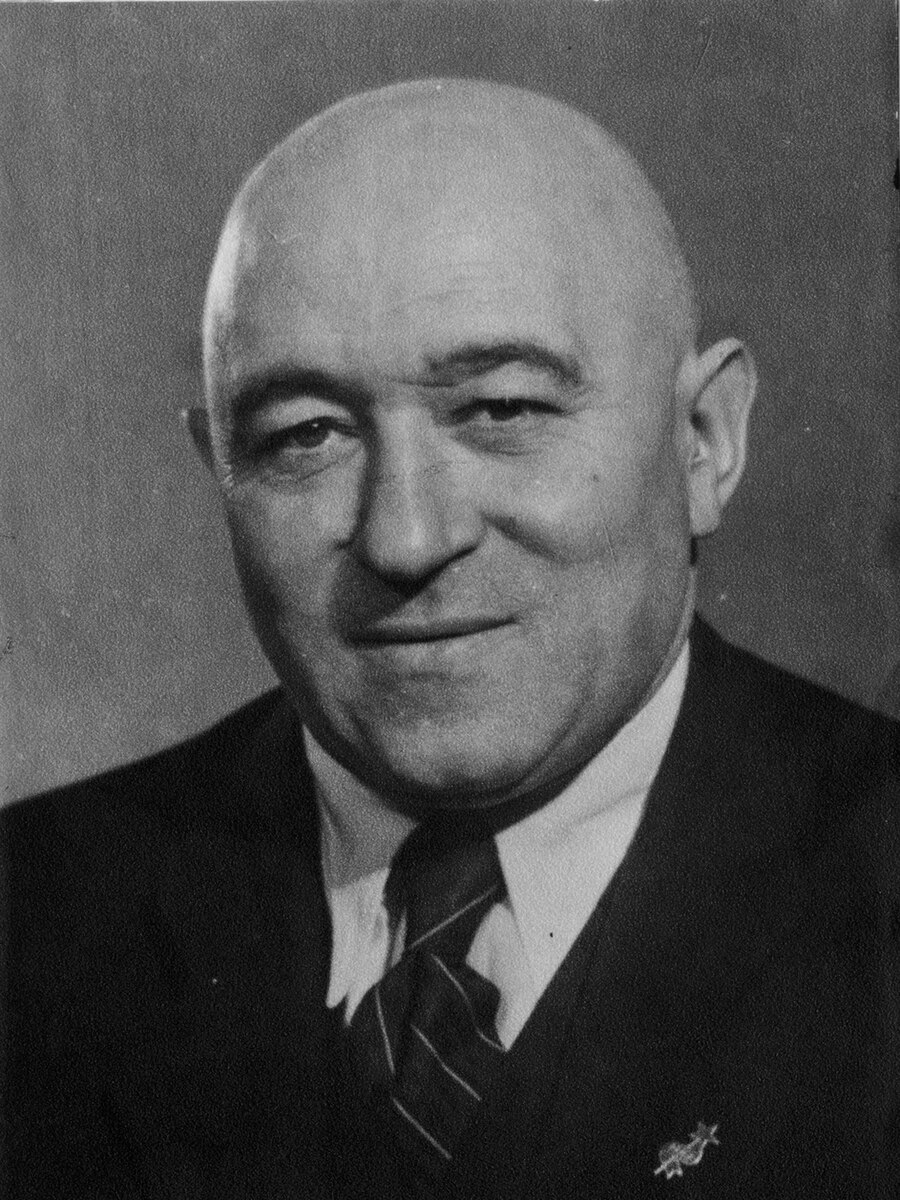
2/ Immediately prior to the revolution, Hungary's Stalinist regime was deeply unpopular. Hungary's economy was struggling, Communist leader Mátyás Rákosi had been deposed by the Soviets over destalinisation, and the many past abuses of the regime were becoming public knowledge.
3/ A student protest sparked the revolution, followed by the Hungarian Writers' Union declaring its support for anti-communist reformers in Poland and laying a symbolic wreath at the statue of General Józef Zachariasz Bem, a hero of the Hungarian Revolution of 1848.
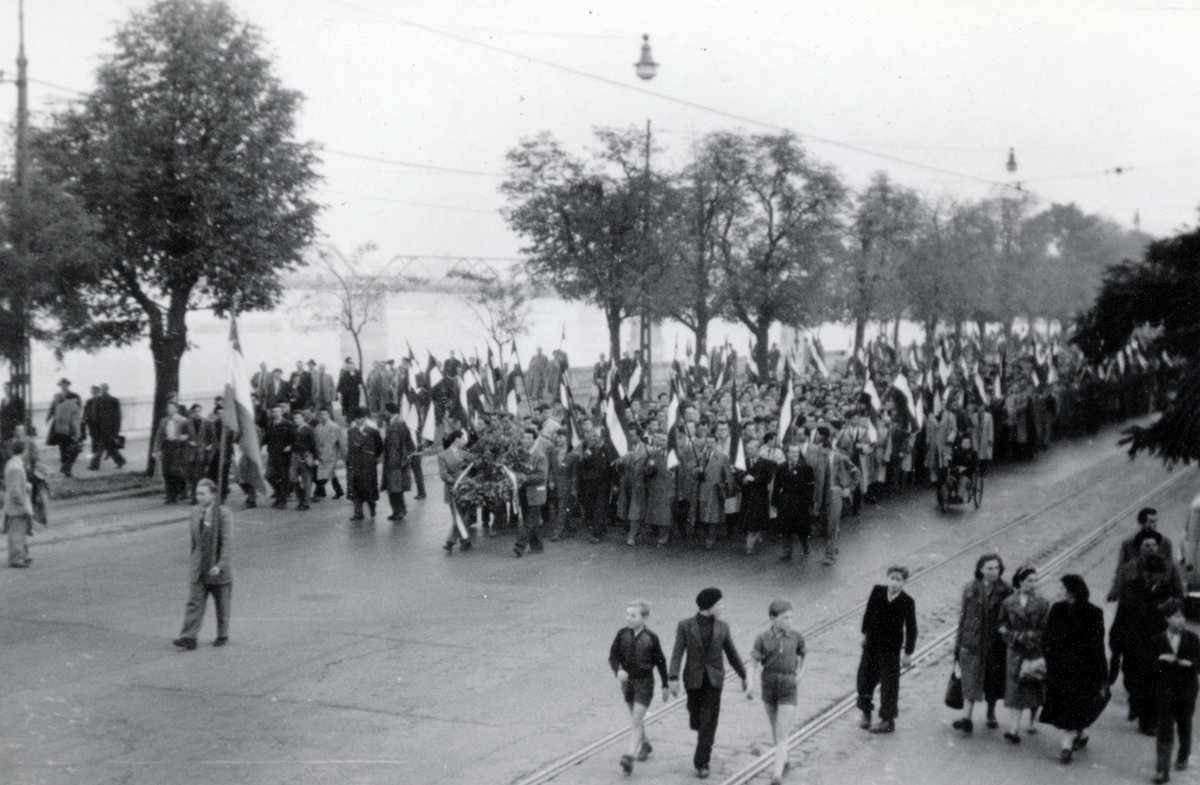
4/ On 23 October 1956, generally regarded as the first day of the revolution, 20,000 people gathered at Bem's statue in Budapest. Protesters called for political reforms, free elections, and the withdrawal of Soviet troops.
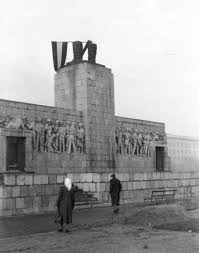
5/ The regime rejected calls for reform. First Secretary Ernő Gerő replied with a harsh speech condemning the protesters. Angry crowds responded by tearing down the eight-metre high bronze statue of Stalin from the Stalin Monument, leaving only his boots in place.

6/ Protesters marched to the Magyar Rádió building in the evening, aiming to broadcast their demands, but were attacked by members of the ÁVH secret police. The ÁVH used tear gas and firearms on the crowds, killing at least 16 people.

7/ The government sent Hungarian Army soldiers to reinforce the ÁVH men. Some of the soldiers tore off their communist insignia and joined the protesters, who armed themselves with weapons confiscated from the police and the nearby Kilián Barracks.
8/ As 23 October ended in Budapest, the darkened city was lit by burning police cars while a fierce gun battle raged outside Magyar Rádió, with revolutionary insurgents firing from the attics and roofs of the buildings opposite.
9/ Meanwhile, fatefully, Gerő was contacting Moscow to ask for the Soviet Union to intervene. The Soviets already had a plan, developed as early as July 1956 following the initial period of political instability after Rákosi's fall.

10/ Codenamed 'Volna' ('Wave'), the plan called for 30,000 troops of the Red Army to restore order within only six hours. All that remained now was for the plan to be put into motion. (To be continued)
@ChrisO_wiki @threadreaderapp unroll