
Token Ring was always obsolete. Back in the 1970s, IBM accounted for the majority of the computer industry, including networking. The famous "OSI Model" is a model for how IBM did networking, not actually how network works today. Then along came Ethernet, which broke the IBM
@ErrataRob A persistent peeve is the obsession by cert prep bros with the OSI Model. The concept of layering, critical. The lower layers that ~overlap with the TCP/Internet model, practical, useful! Insisting on teaching and quizzing the OSI Model, harmful & confusing.
@cewatts The lower layers do not actually overlap. It's a distortion of the layers. Ethernet and Internet protocol are not different layers of a common "network" stack, but are two independent "networks". Both Ethernet and Internet Protocol are "layer 3", both have addresses, devices
@ErrataRob The OSI model isn’t that different from how we do things today. TCP -> transport layer, HTTP -> presentation and session layer (mime-type being presentation)
@mroe1492 What OSI meant by the Session Layer and Presentation Layer were very different than what's meant today. It's only that people have redefined them to match what we do today -- they weren't those things originally.
@ErrataRob All true. However, you forgot the most important ADVANTAGE to Token Ring networks. … Telling the PFY intern that the network was down and the token must have fallen out of a cable somewhere. Then send them off to shake every wire and scour the floor looking for it. Hours of
@ErrataRob Token Ring was before my time, so the history is something I find interesting. However, it nothing to necessarily be ashamed of. It’s akin to being ashamed of morse code. The point of the meme, in context that led to its creation, is not about having climbed a technical
@ErrataRob Since Token Ring pretty much died two decades ago, its easy to forget the slow but steady evolution of Ethernet. I didn't use Thicknet (10 Base-5), and had little involvement with thin net (10 base-2). But I did a lot of early 10 base-T and it could easily become flooded. Then
@ErrataRob Now do ATM 🤣
@ErrataRob Brings back some old memories of encountering token ring setup in a University and trying to troubleshoot the issue. Interesting perspective.
@ErrataRob Except where the weight of wiring was critical. Token ring still reigns supreme in aircraft IFE systems.
@ErrataRob I worked for a company from 2000-2002 that had used token ring and was still phasing it out. They also used netware. Not sure why it's a badge of shame (or honor). Just a reality
@ErrataRob I remember studying for Network Plus cert and thinking how much of a waste it seemed learning that older stuff and feeling certifications were pointless 85% not particle when coming to hands on use.
@ErrataRob @kmcnam1 This is all a backwards attack on experience. And 500 words on Token Ring vs Ethernet was not necessary. The point of experience is to avoid repeating mistakes of the past, not brag about them. Also some of the design principles of Token Ring live to this day. The token was
@ErrataRob Ha! A few minutes ago I posted that this is something that existed when I was a child...

@ErrataRob Who is bragging ? Also the web server - middleware- db structure in use today is similar to LU6,2 . Anyhow i loved tearing out TR for Ethernet with 10BASE5 backbone and coax, and. then UTP and so on. I never worked for a vendor or had any input to tech. I just built stuff.
@ErrataRob My very well-funded business college didn't switch from Token Ring until 1998.
@ErrataRob What's wrong with you? Writing a post that make all kind of sense! 🤣
@ErrataRob The IBM Token Ring systems I was familiar with for attaching 8775 terminals to 8100 DPCS/DOSF systems all used a vaguely DIN plug junction box "direct-attach loop" station that with a key could be switched out of the circuit. The funky square bladed connectors came later...and
@ErrataRob Thank you. That was fascinating. I barely ever saw anything related to tokenring except maybe some coax connectors, and I'm not even sure those were specific to token ring.
@ErrataRob Random thought: I never saw Doom running on a TokenRing card.
@ErrataRob Having had to work with token ring for way too long in the 80's and into the '90's . . . "What He Said." And then I finally had enough seniority in my university's IBM-centric computing center to start advocating a migration to Ethernet. And there was much rejoicing.
@ErrataRob 🎯 back in that era I worked with Token-Ring, SNA, ARCNET and Ethernet. I hated SNA. It was 100% proprietary and complex. Ethernet was simple and open and allowed connecting PCs to each other and to midframe/miniframe servers.
@ErrataRob Canon fire across the bow! 💥 😂
@ErrataRob Token bus was used in the IBM 3680(?) store system to connect POS terminals (cash registers) to the controllers in the back office. A certain large retailer used this networking technology and system back in the 90's before replacing the network part with Ethernet switches.
@ErrataRob Expensive HW doesn't solve it. a good algorithm does. Will AI firms learn this?
@ErrataRob FDDI has entered the chat… Sidebar: IBM’s Token Ring was mostly bullshit, as asserted. But trivializing the use case doesn’t change the reality that for some important networks guaranteed delivery and guaranteed delivery times are in fact critical.
@ErrataRob I think you’re understating how bad collisions became. 1990s, HS network, each classroom was on a single 10mbps thinnet segment. Everyone (15-25 PCs) trying to start Windows 3.1 at the same time would take >10 minutes with a solid red collision light on the repeater in the corner
@ErrataRob WRONG! I opened the first internet cafe in Ottawa. 16Mbit token ring was MUCH faster than 10Mbit ethernet and hubs. Primarily because there was significant network traffic. And the switch wasn't a thing yet.
@ErrataRob I’m not ashamed of building token ring networks because we got paid for the work same as any other network design.
@ErrataRob And about those early Ethernet segments, still the most astounding thing I’ve seen with technology. First one I saw was at Silicon Graphics. “Vampire tap” it was called.
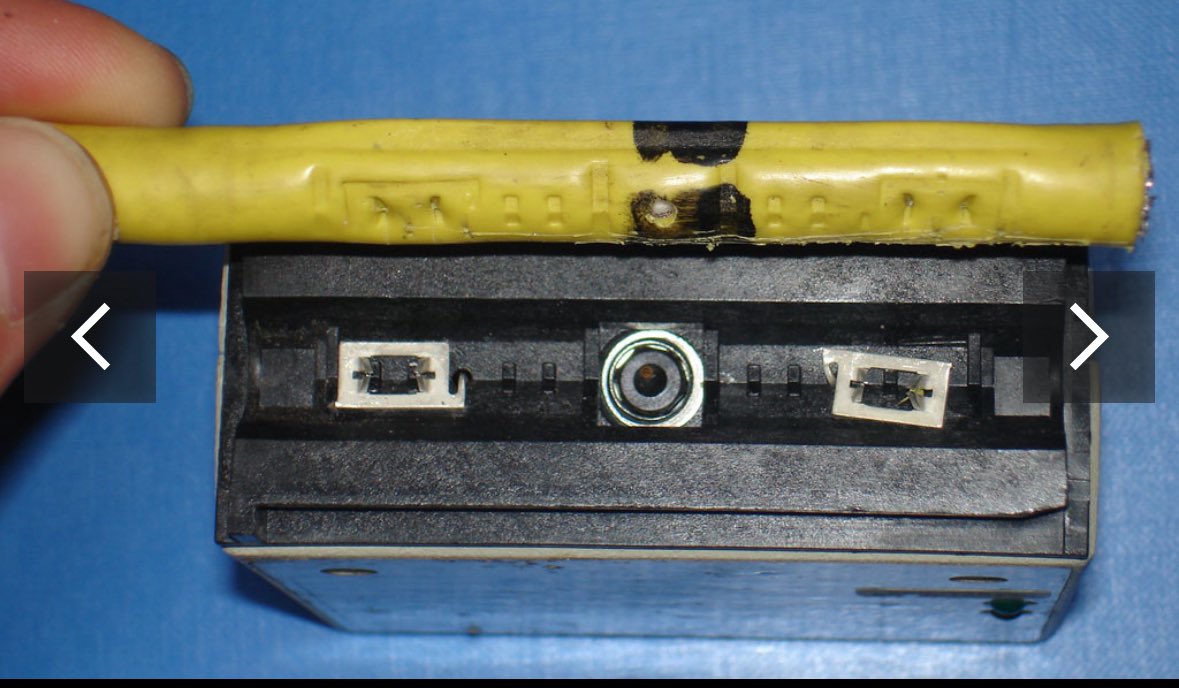
@ErrataRob Pre full duplex Ethernet sucked. People tried to develop superior solutions but didn’t accept that cheapest always wins. After it wins then you fix the issues
@ErrataRob TCP and its socket API is obsolete for many decades, x86 was a legacy arch since the moment it was released, and yet..
@ErrataRob I was there and I can tell you were too. When IBM engineers said that Token Ring was deterministic, I would pull the cable out and ask them how deterministic their network was now. My battle was TCP/IP over SNA, DECnet, ARCnet, AppleTalk, ,,, "But there is no vendor for TCP/IP!"
@ErrataRob It sounded good on paper. Yeah they should’ve gave up on it sooner but I understand why they did what they did.