
There's a form of architecture so difficult that no country has seriously attempted it... ...Except Ancient India! Let me tell you about "Rock-cut architecture," the difficulties involved, and how India did the impossible...over and over again. Thread:


1. Numbers speak louder than narratives: Number of rock-cut monuments in the rest of the world combined: ≈600 Number of rock-cut monuments in India alone: ≈1800 Out of every 4 rock-cut monuments ever built in human history...3 were built in India, by Indians!
2. Rock-cut is the hardest architectural style: - Carved into mountains or caves - No second chances, no mistakes, no new material - Carving basalt (harder than concrete) - Usual structures? Built ground up. But rock-cut structures like Kailash Temple? Carved from the top down!
3. Look at this photo. It's an unedited photo of the Sudama Cave, part of the Barabar Rock-cut complex, built during the Mauryan Empire. 2300 years old. Notice the monk's reflection? That's not a mirror. That's granite rock made reflective...using now-lost Mauryan technology!
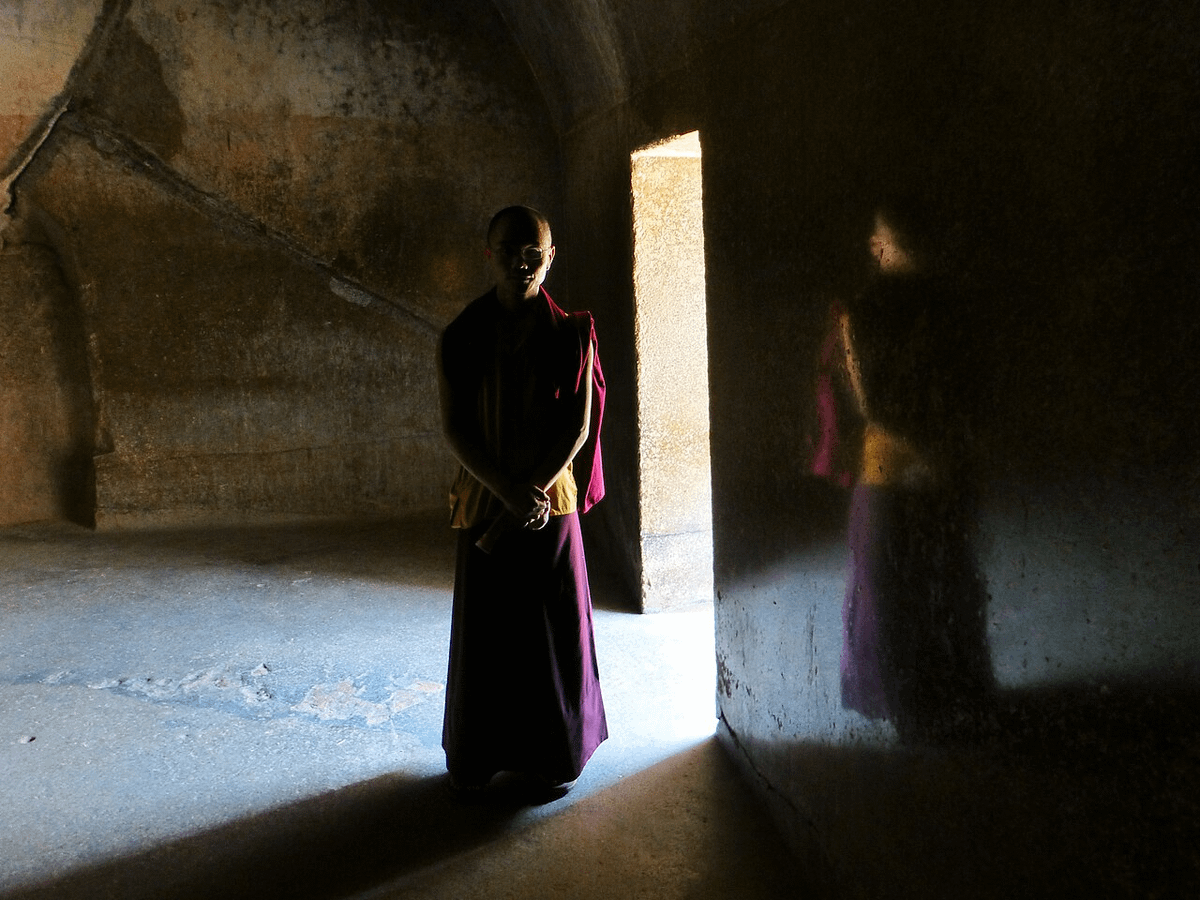
4. The man who excavated Mohenjo Daro and Harappa said that the "extraordinary precision & accuracy" he saw in Mauryan works of art he never saw elsewhere...not even among the "finest" of Ancient Greek buildings. Particularly mysterious was the art of "Mauryan polish." Read on.

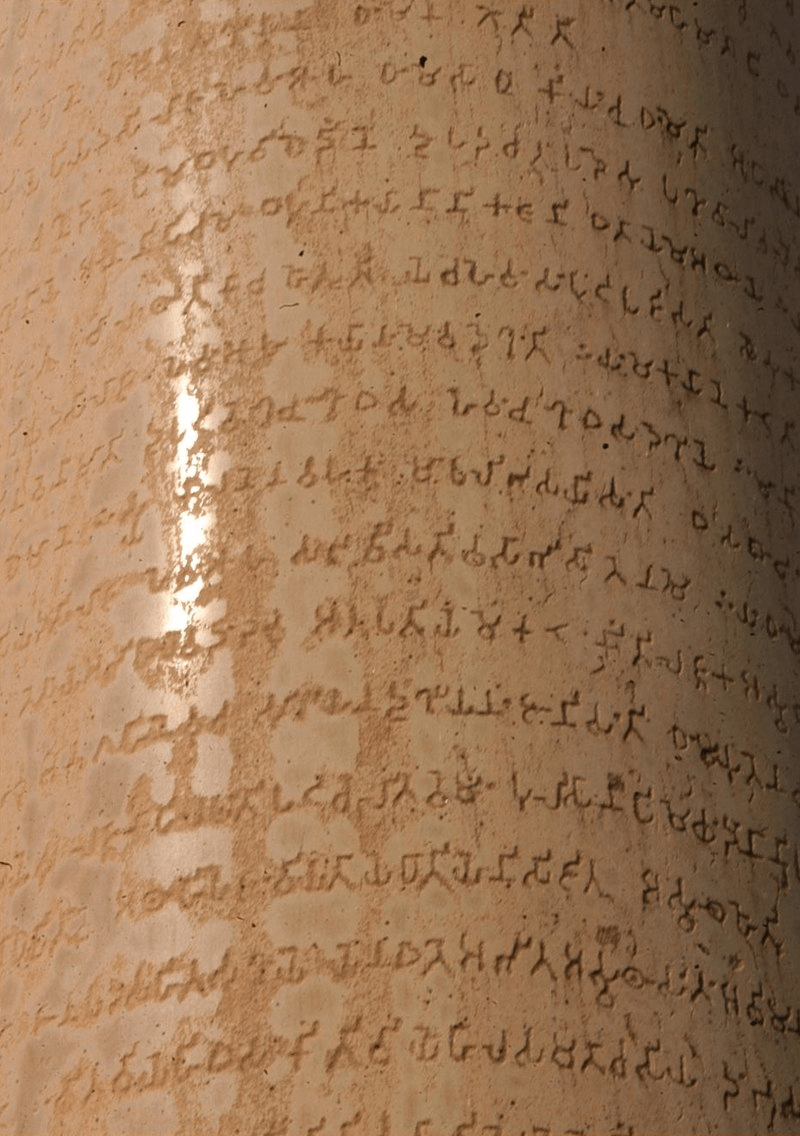
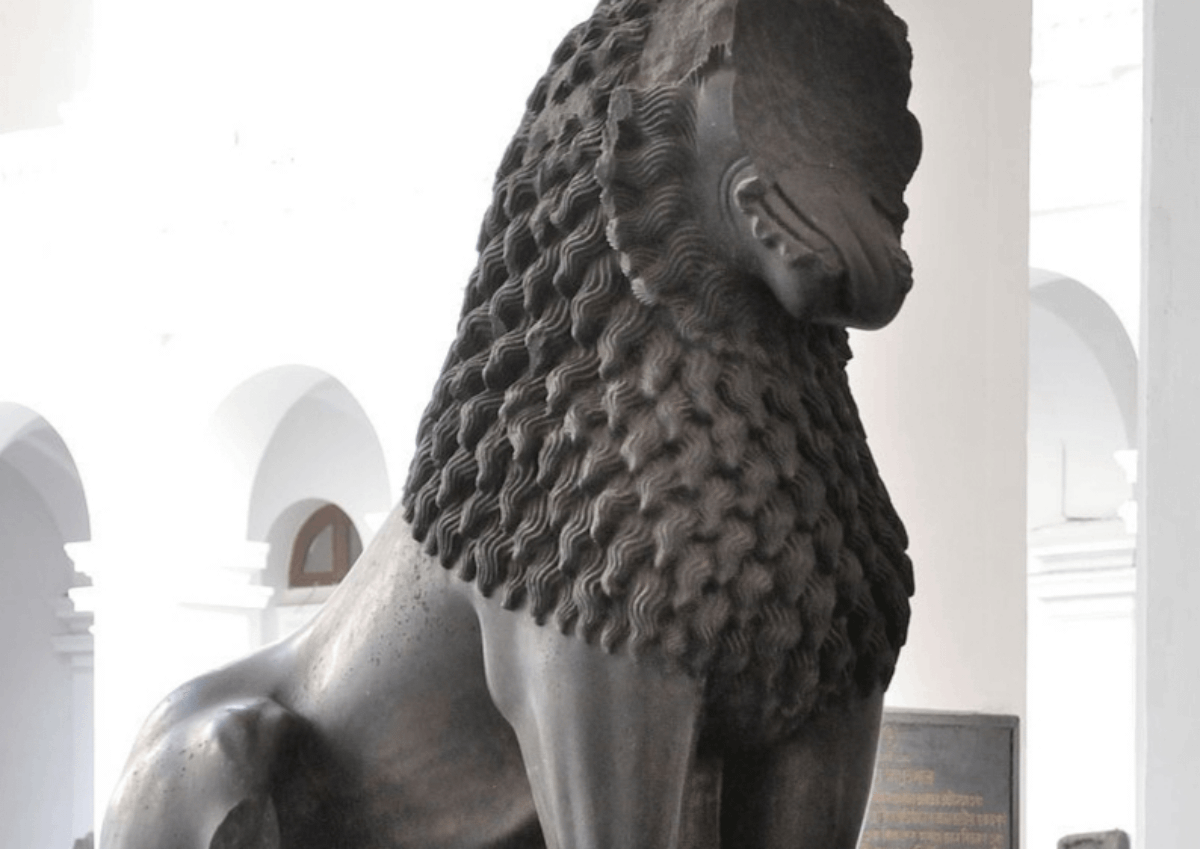
5. 2000 years on, Mauryan works of art retain a mysterious luster. What was the method behind the "Mauryan polish"? Why's it so durable? No one knows. The wildest part? The Mauryans were able to put their iconic polish on granite rock, among the hardest substances in the world!


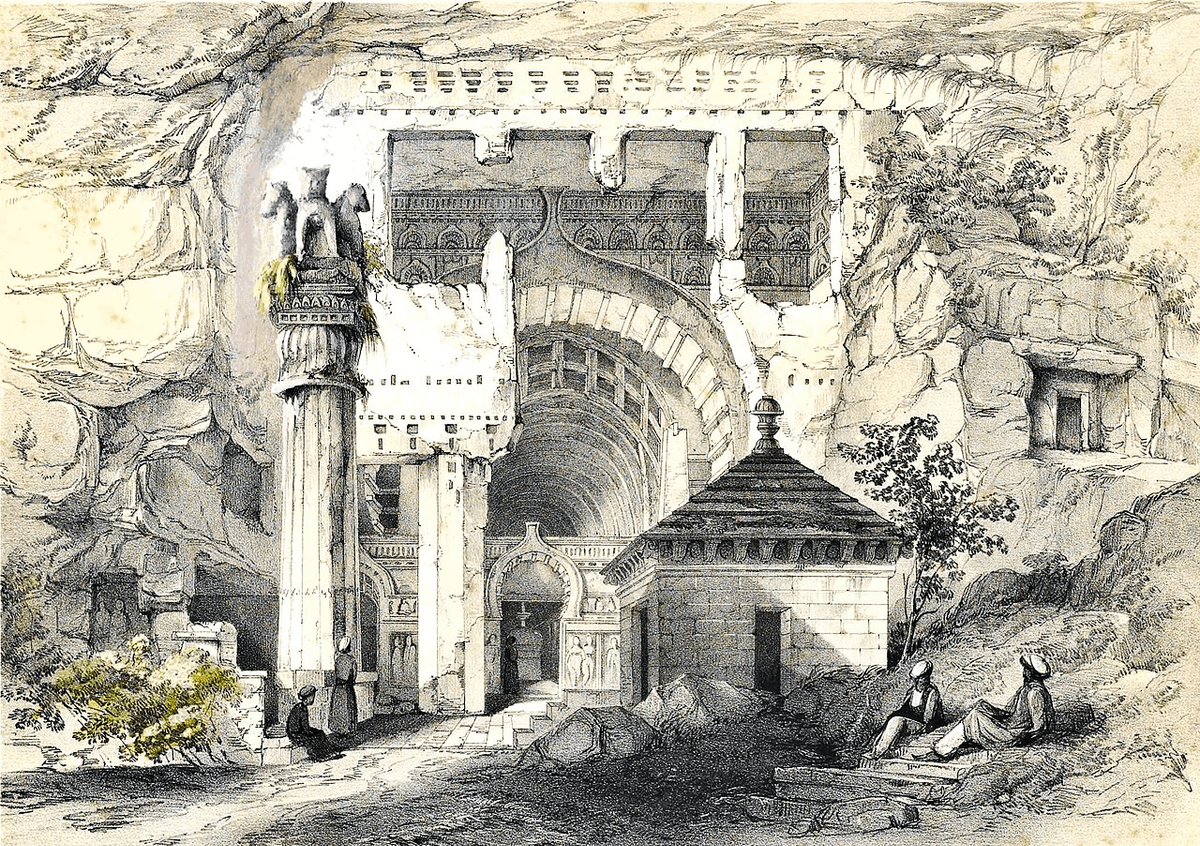
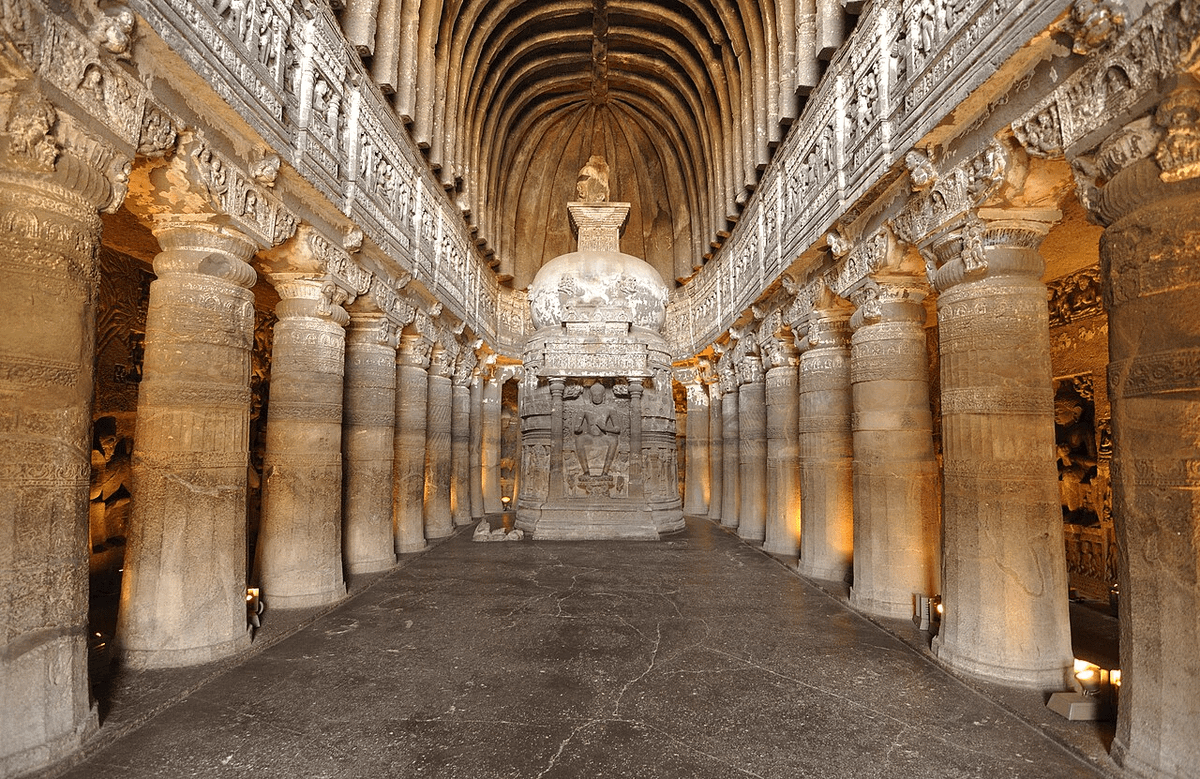
6. About 10 kilometers from Lonavla lie the magnificent Karla Caves. These rock-cut Buddhist monasteries, over 2000 years old, had exquisite timber and woodwork which has decayed due to time. But the carved basalt halls stand proud—150 ft long and 50 ft tall. Awe-inspiring.

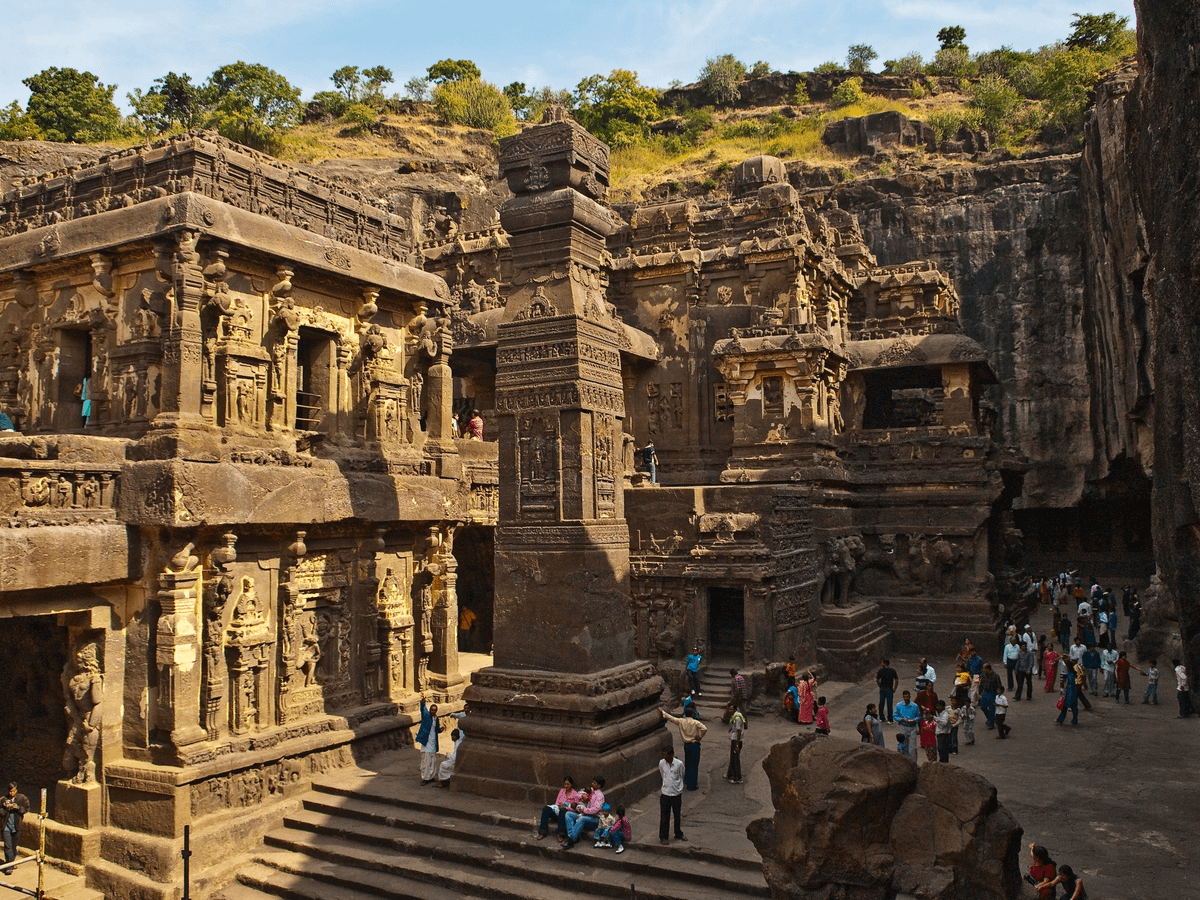
7. The rock-cut architecture of India reached dizzying new heights under the Vakataka dynasty, which built over 30 cave monuments in Ajanta, and the Rashtrakuta dynasty, which built over a 100 cave monuments at Ellora. Imagine turning plain rock into THIS...15 centuries ago!
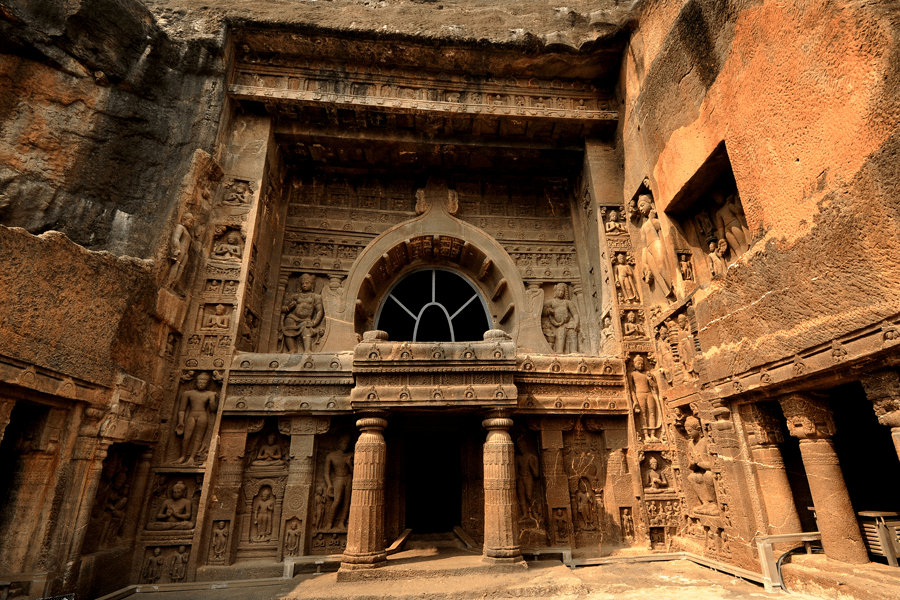
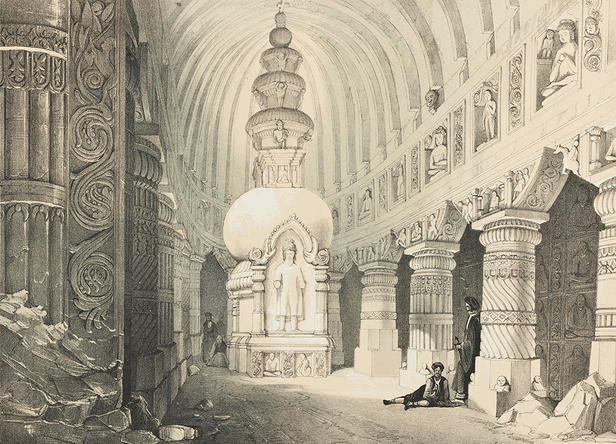
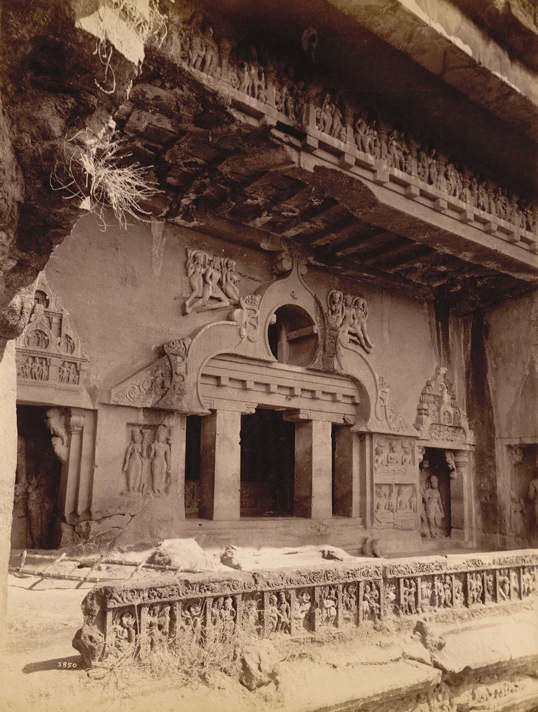
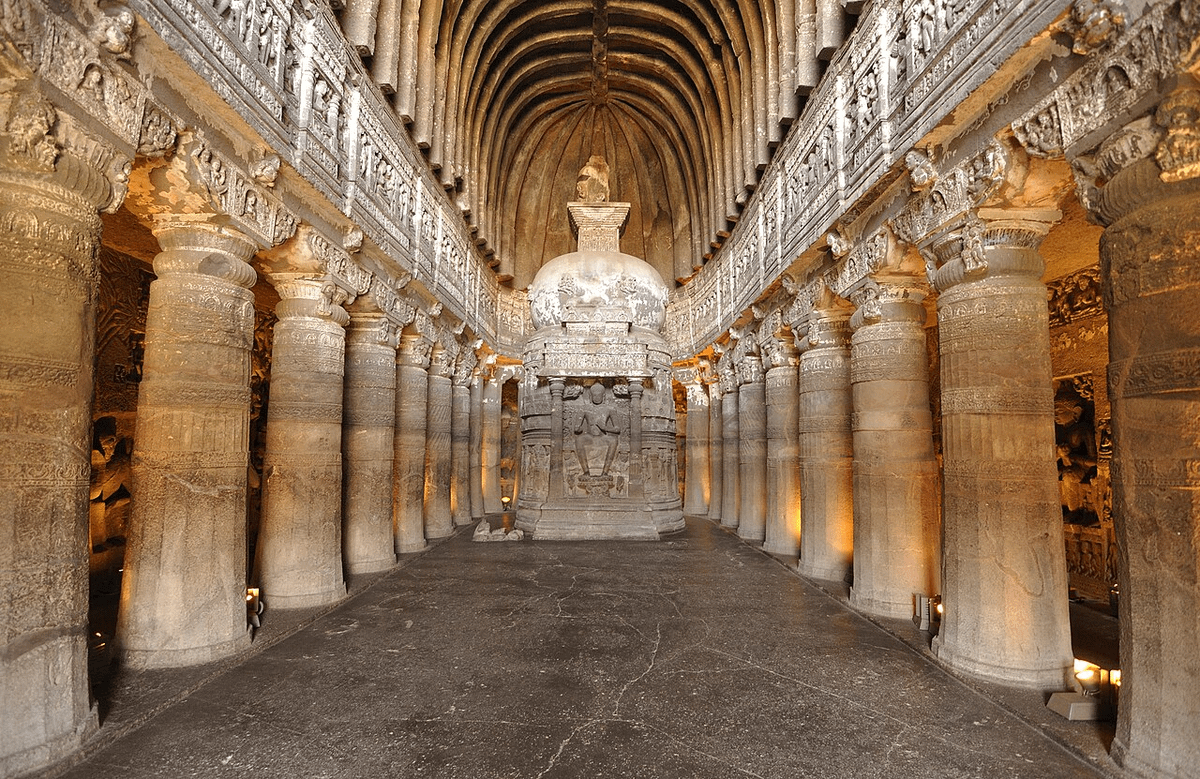
8. But the crown-jewel of rock cut architecture in India HAS to be the Lord Shiva Kailash Temple in Ellora: - Largest monolith structure ever built by humans - 200,000 tons of rock excavated - 1200 years old - 108 ft tall (taller than a 10-storey building...) - Carved top down!

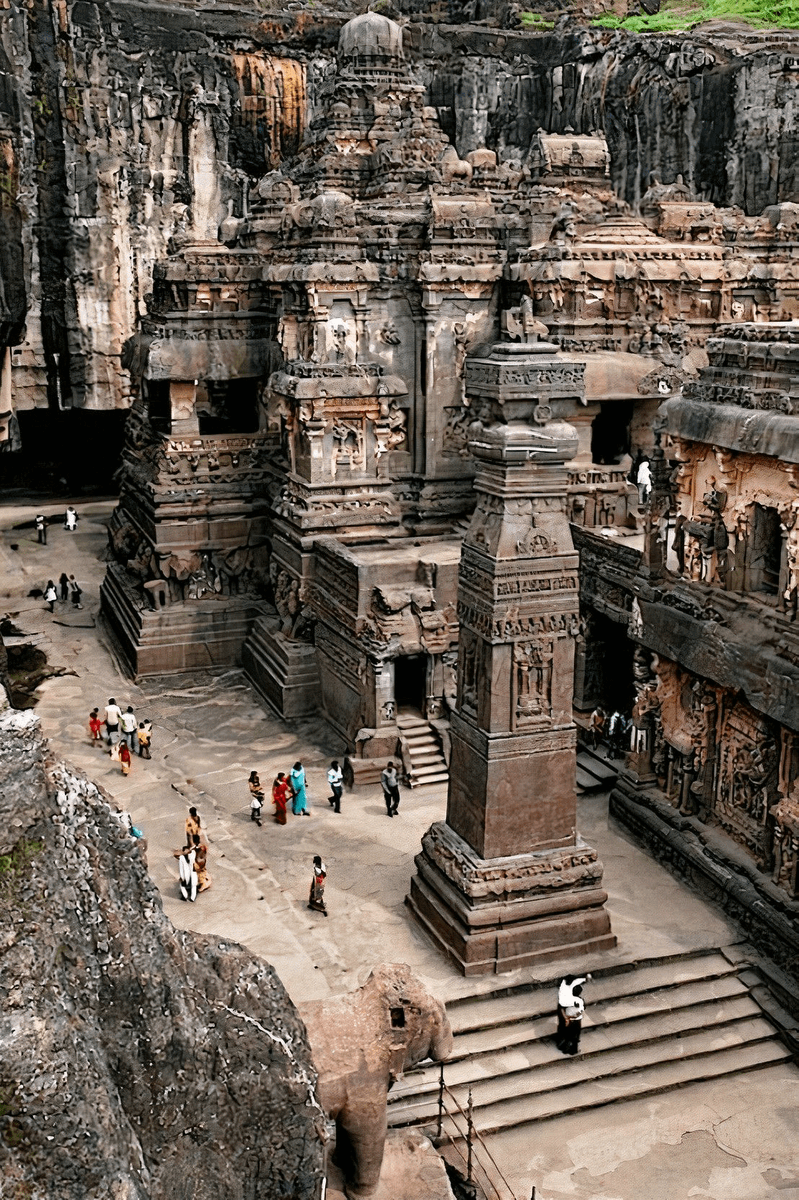
9. Early Buddhism played a huge role in making India the global center of rock-cut architecture. Buddhist monks developed symbiotic relationships with traders & aristocrats, who patronized them, and built rock-cut monasteries that mimicked natural caves (suited for meditation).
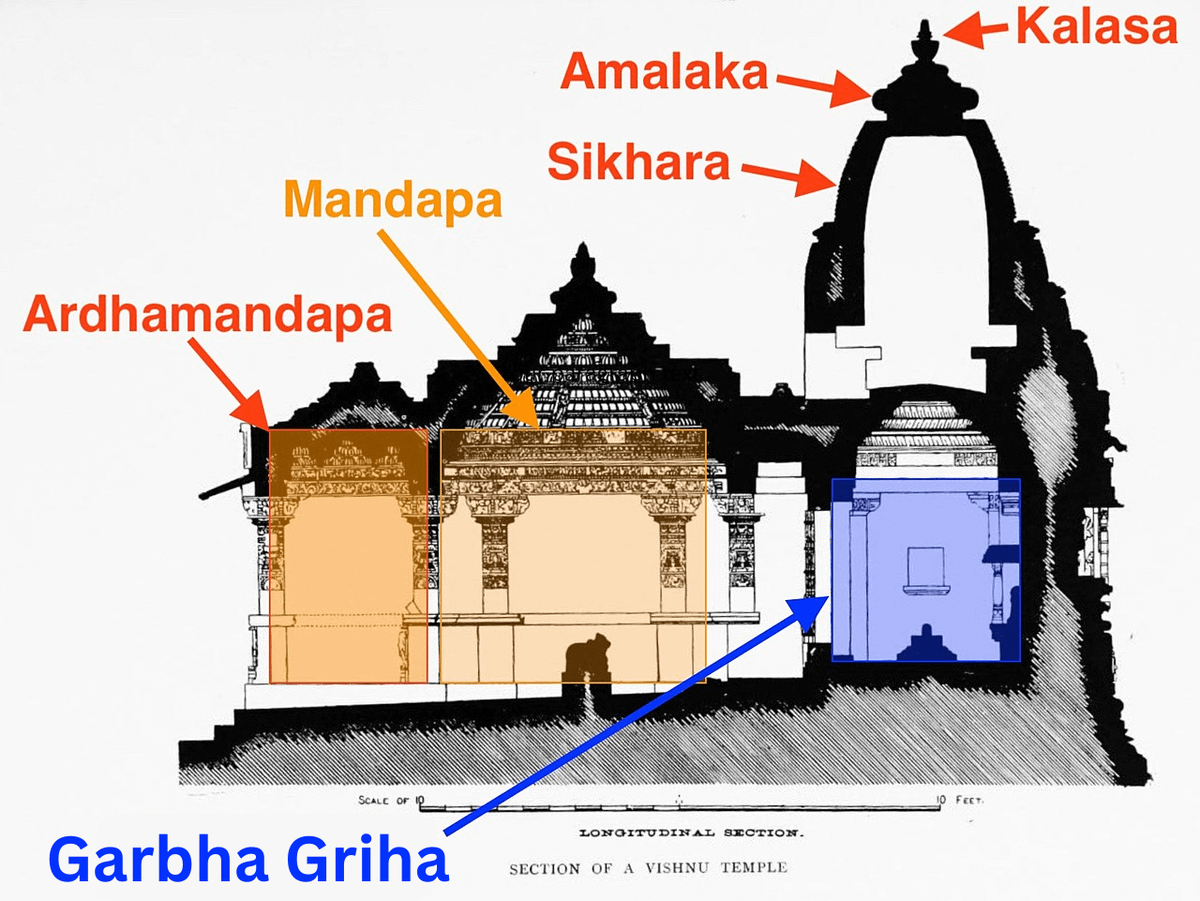
10. Even the Hindu temples which aren't cave temples place the deity in a cave-like room called the Garbha Griha (The womb chamber). Why? We Indians see a relationship between caves & God. A silent and mysterious cave forces you to look inward, make space for something higher...
11. Here's some interesting rock-cut architecture from outside India: - Petra, Jordan (1st century CE) - The Great Temple of Abu Simbel, Egypt (1280 BCE) But do note these were built when both Jordan and Egypt were Pagan cultures, before Abrahamic monotheism took root there...


12. Carving the Kailash temple today would require Diamond-wire saws, creating the Ajanta Caves today would require LED-guided lasers, and building the Masroor Rock-Cut Temple would require GPS-guided carving equipment. None of which existed back then. How was any of it done?

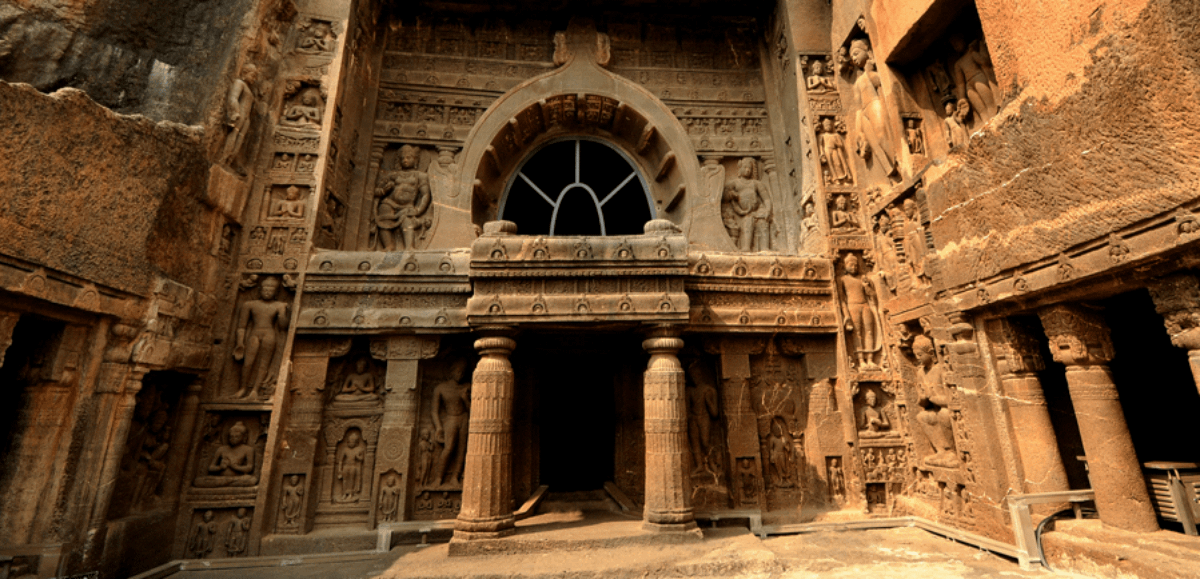

13. Either ancient and medieval Indian builders had advanced mechanical tools, which are now lost...OR they had advanced skills, which are now lost. Both these scenarios have profound implications for our understanding not just of Indian history, but world history.
14. Now that India's GDP exceeds $4 trillion... And we've become the world's 4th largest economy... Is it time to build another massive rock-cut temple? Perhaps the largest in the world? And beat our own record? 😉 RT if you agree!
For more such threads and deep-dives... Follow me: @authoramish
@authoramish Kailash temple not being on a list of wonders makes any such list meaningless. To call it a marvel of engineering is a gross understatement. Anything you could say is a gross understatement.
@Schandillia Agree. The Kailash temple is stunning beyond belief.
@authoramish Recently visited ajanta Ellora and Kailasa temple is hands down the most breathtaking experience I have had in India. 200 years. 10 generations. Beyond the tools, what is astounding is how communication flowed through 10 generations with a vision that remains unchanged 🫡


@warikoo Truly breathtaking monument...
@authoramish Excellent as always. I believe Badami Caves, built by the Chalukyas, also deserve a special place. They perfected the craft to a great extent and inspired many empires, including the Rashtrakutas, Cholas, and Hoysalas. Wrote about one of the most audacious experiments done by
@FiisibleTrends They are beautiful...
@authoramish Petra in Jordan is also rock cut right?
@dedoncorleone3 Yes, it is. And I have mentioned it in this thread...
@authoramish Great thread
@palekites Thank you
@authoramish Amazing!! Keep doing more of these!!
@itskaranbansal Thank you 🙏🏽
@authoramish Imagine chiselling downward into solid rock — no second chances, no do-overs. One wrong hit and decades of work gone! Yet, Indian artisans sculpted entire temples like the Kailasa at Ellora, from top to bottom — perfectly aligned, balanced, and divine. 🔨🎨
@authoramish Thanks to Social Media we now know what was Ancient BHARAT, its architecture marvels fantastic Temples,hidden from us
@bhartkinari All of these ancient Indian achievements should be in our text books... Sadly, very few are.
@authoramish Ethiopians do it. It is impressive and the results have a certain looks. But Ethiopians have done it also. I live in America, and we have lots of nationalist bragging. No one likes it. These temples are amazing. Just point that out. People will like the temples better.
@authoramish Eu Tu Amish 😀 I take pride in being a Hindu but we don't need Abrahmic chest thumping

@authoramish Sorry to disagree sir, India has structures that were still considered impossible to construct and sustain East coast temples where cyclones were prevalent, North India temple where Snowfall, unconsolidated landforms, river water South India Gopuram which bear higher wind force
@authoramish Since India is superior I would think that no Indian would go abroad. Hey if superior they should want to stay there. I love ancient architecture and appreciate it.