
Alexander the Great’s tomb has been missing for centuries. Over 140 official attempts have been made to locate it. All have failed. But one rogue historian thinks he’s finally found it. He claims everyone's been looking in the wrong place…🧵
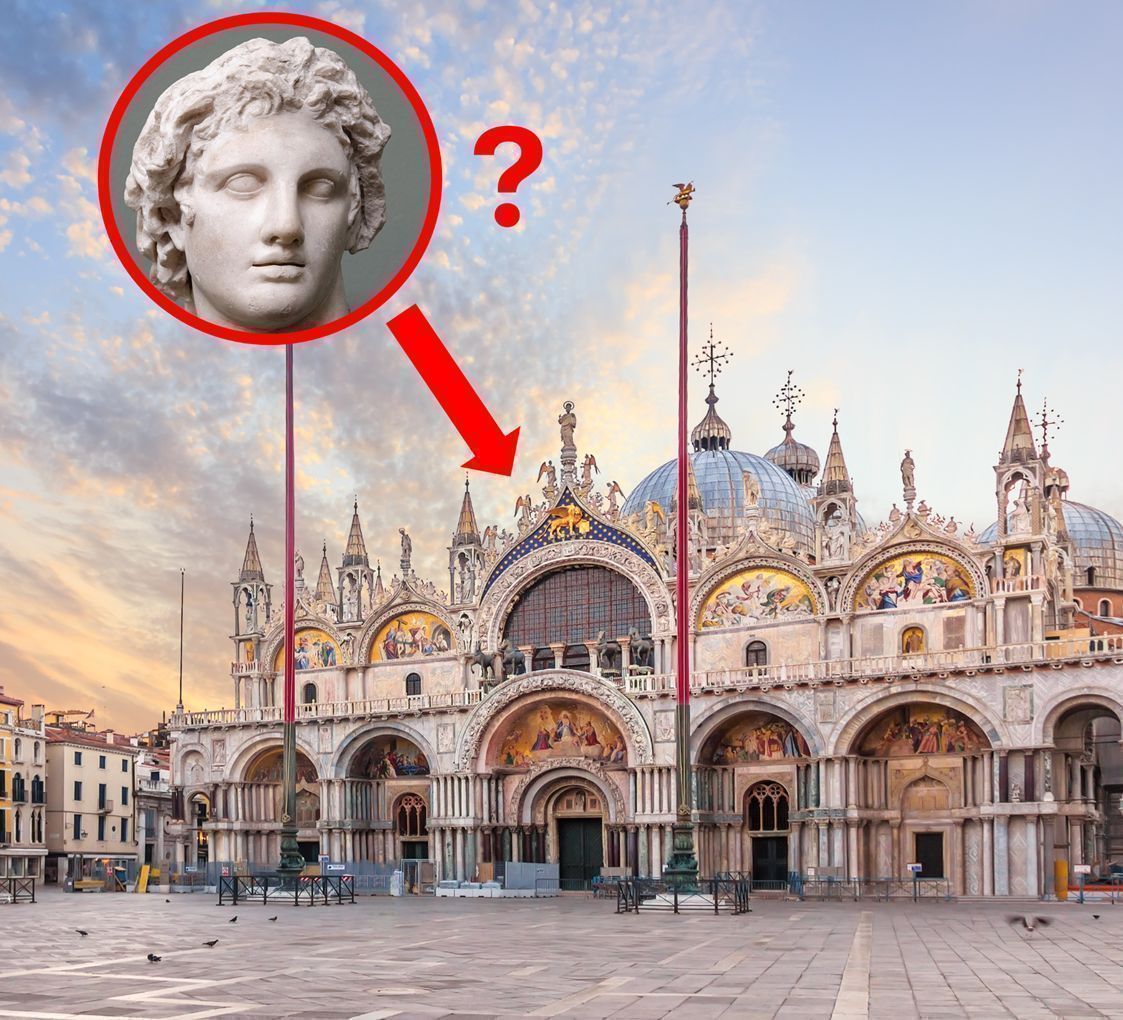
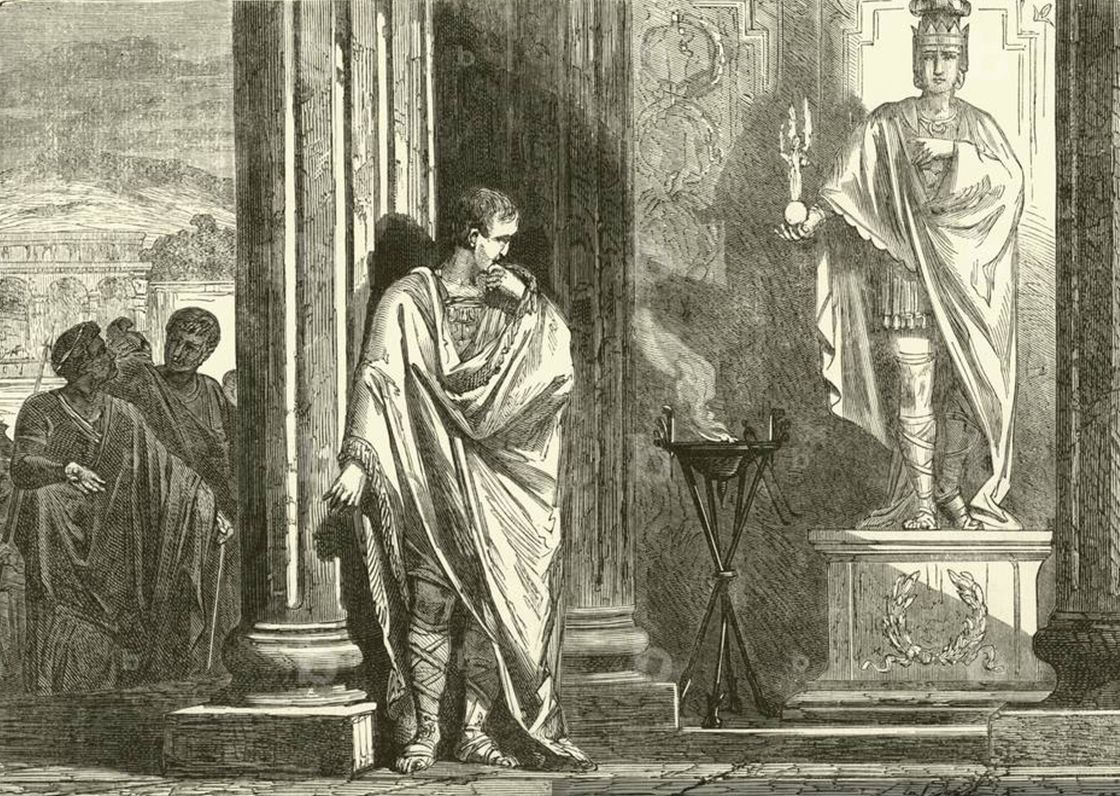
Alexander’s body wasn’t always missing. We know that figures like Julius Caesar, Cleopatra, and Augustus visited his tomb in Alexandria during the 1st century BC. But somewhere along the way it disappears from the record…
By the time St. John Chrysostom visited Alexandria in 400 AD, he was unable to locate the tomb and said of Alexander "his tomb even his own people know not.” There are a few mentions of the tomb afterward, but nothing reliable, and as of today no one knows where it is.
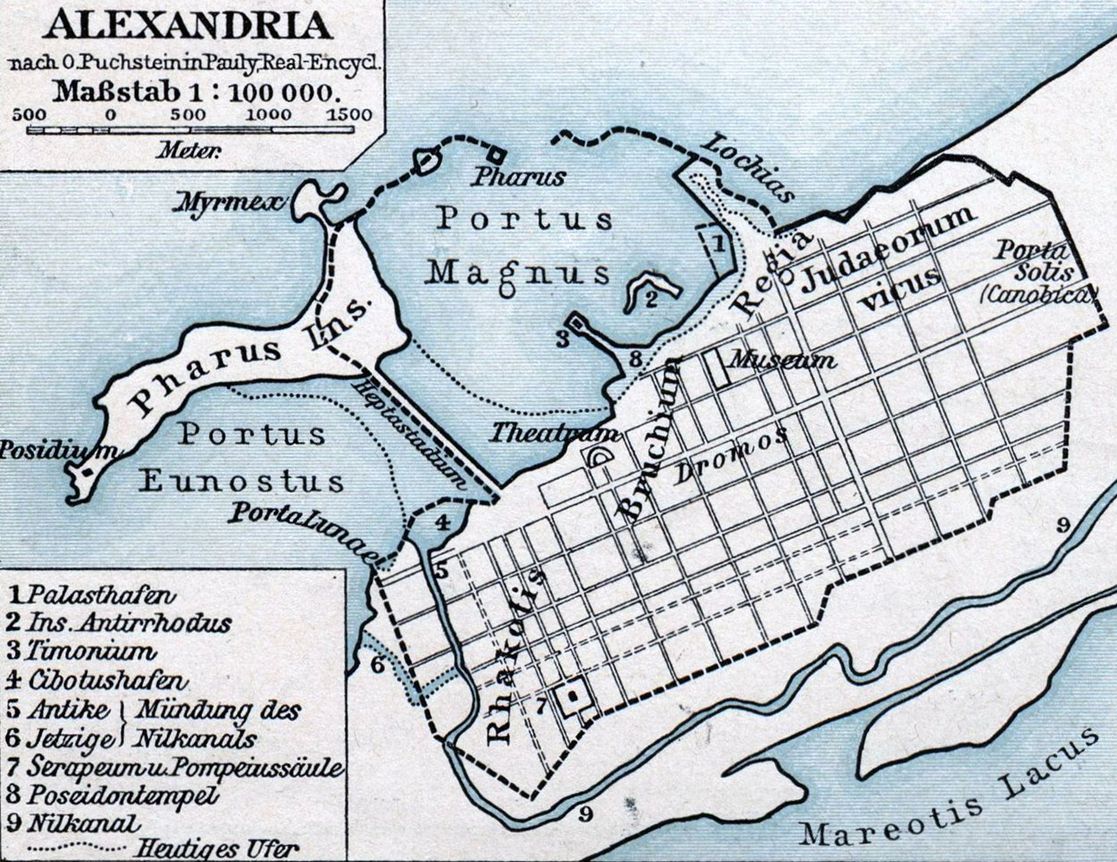
To unravel the mystery, we need to start at the beginning: Alexander died in 323 BC to mysterious circumstances. Theories include poisoning, assassination, or a number of possible infectious diseases. Whatever the cause, his body was an immediate point of contention.

According to Roman historian Quintus Rufus, Alexander asked to be buried in the temple of Zeus Ammon at Siwa Oasis shortly before he died, however Alexander’s wish was never honored…
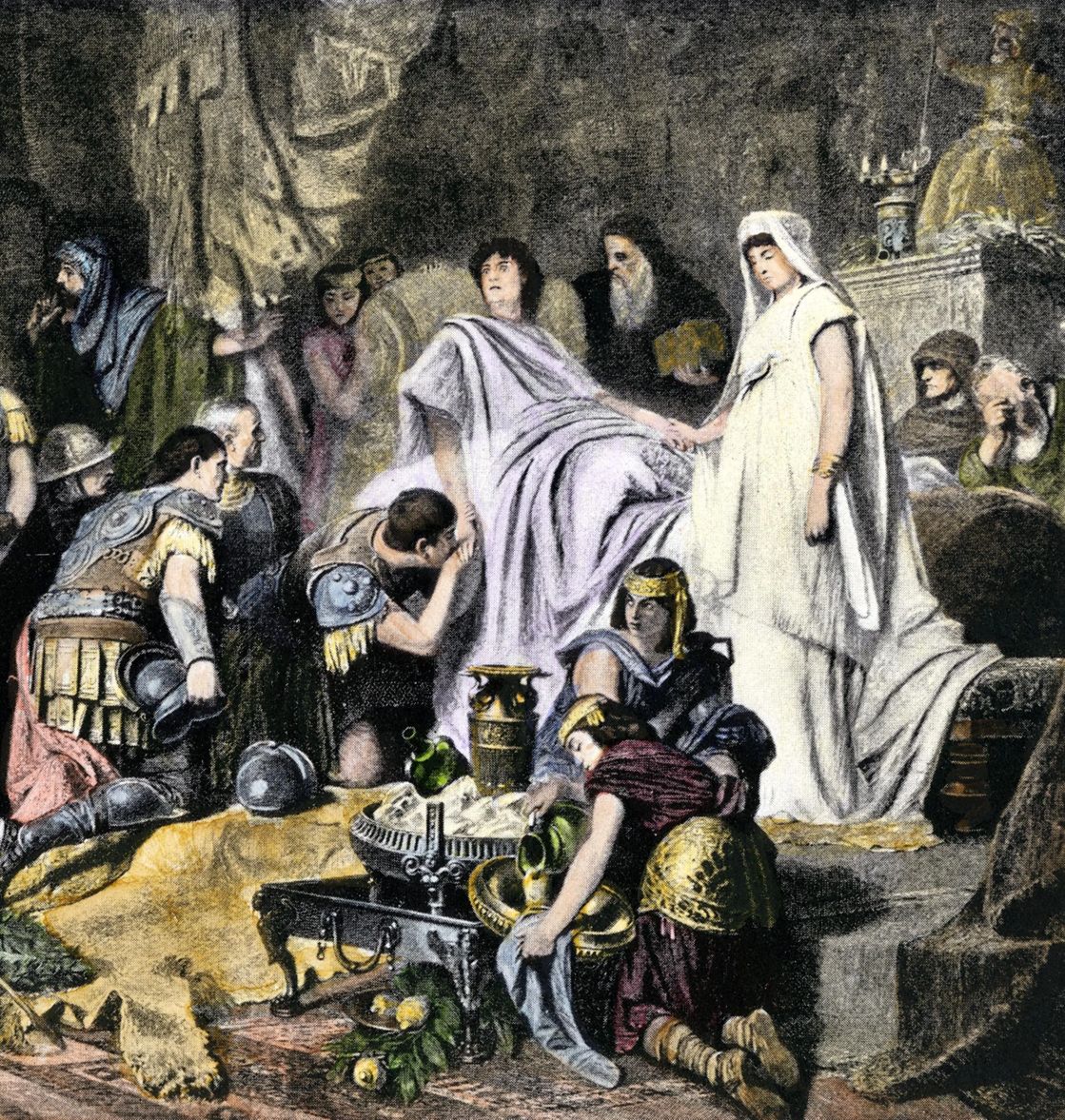
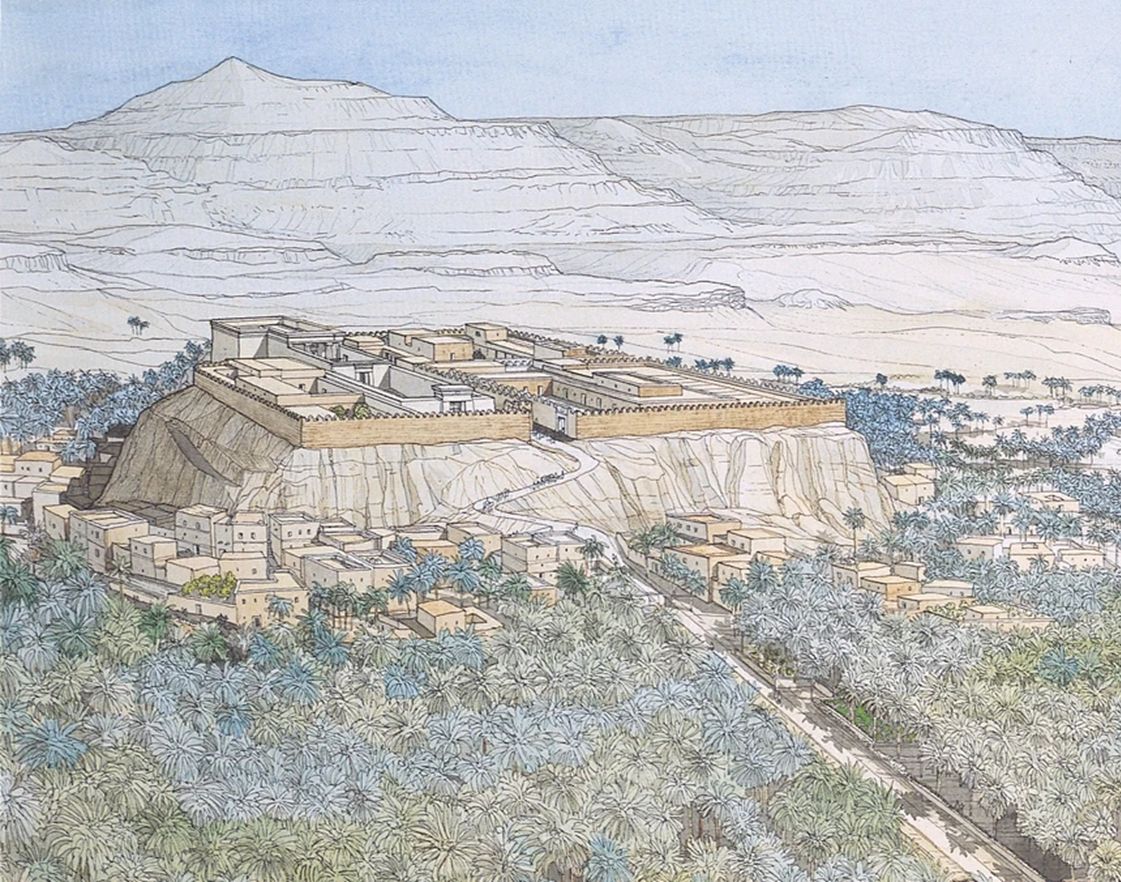
One of Alexander’s generals, Ptolemy, hijacked his body and brought it to the Egyptian city of Memphis. He may have wanted to possess Alexander’s body to secure support by further associating himself with the king. Nonetheless Alexander’s remains didn’t stay in Memphis long.

Plutarch states that Seleucus, another of Alexander’s generals, asked an oracle whether his body should be moved to Alexandria, and the oracle answered affirmatively. So in the late 4th or early 3rd century BC his body was transferred to Alexandria.

His body was placed in Alexandria’s mausoleum, the “Soma”. It was here that Caesar and other historical figures would have paid their respects to Alexander. This was his body’s last known location.
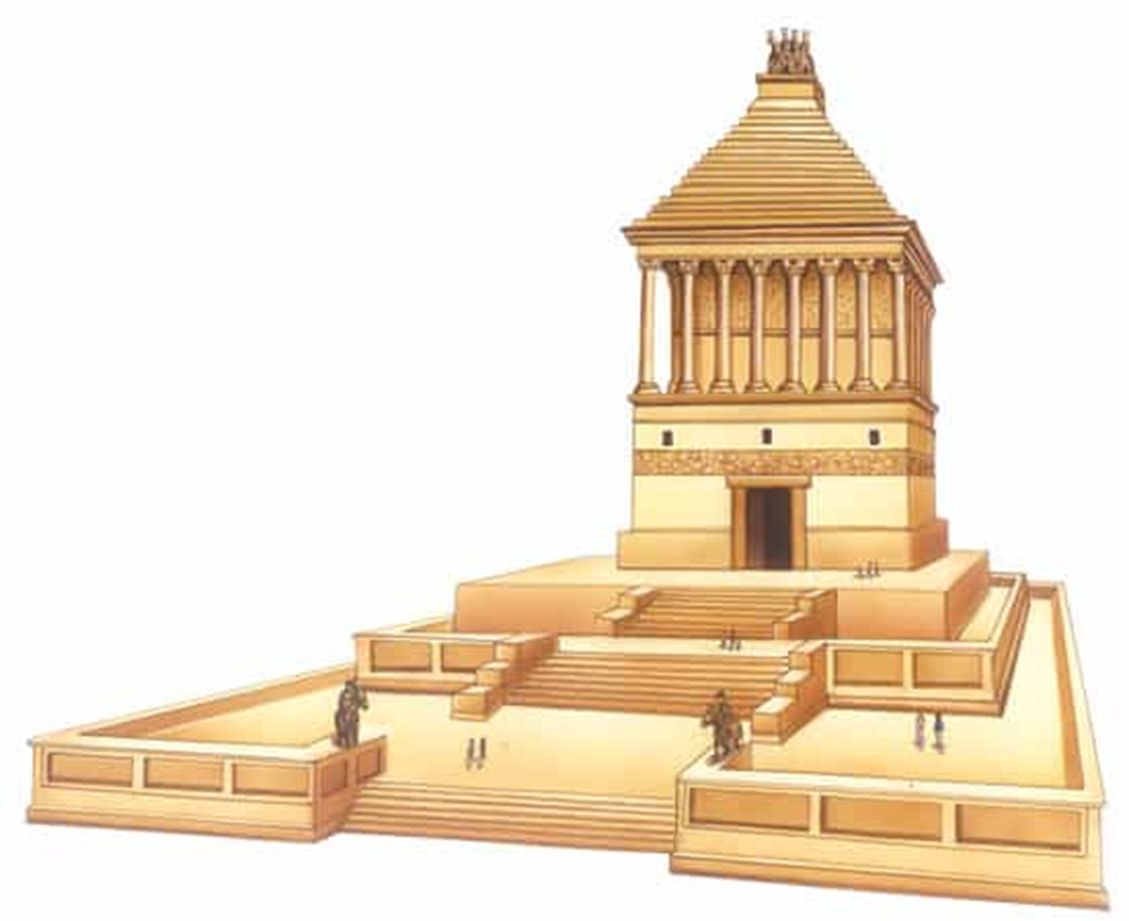
The Egyptian Supreme Council for Antiquities has approved 140 official searches for the tomb—still no body. According to historian Andrew Chugg, it’s because they’ve been looking in the wrong place…

Chugg thinks that instead of Alexandria, Alexander’s body is over a thousand miles away on a completely different continent. Chugg thinks Alexander’s body is in Venice, Italy—inside a cathedral. Sounds wild right?

Well, right before the time that John Chrysostom wrote that Alexander’s body was missing, the city of Alexandria was in turmoil. Emperor Theodosius established Christianity as the only legal religion around 390 AD. Pagan practices were banned, and many pagan sites destroyed.
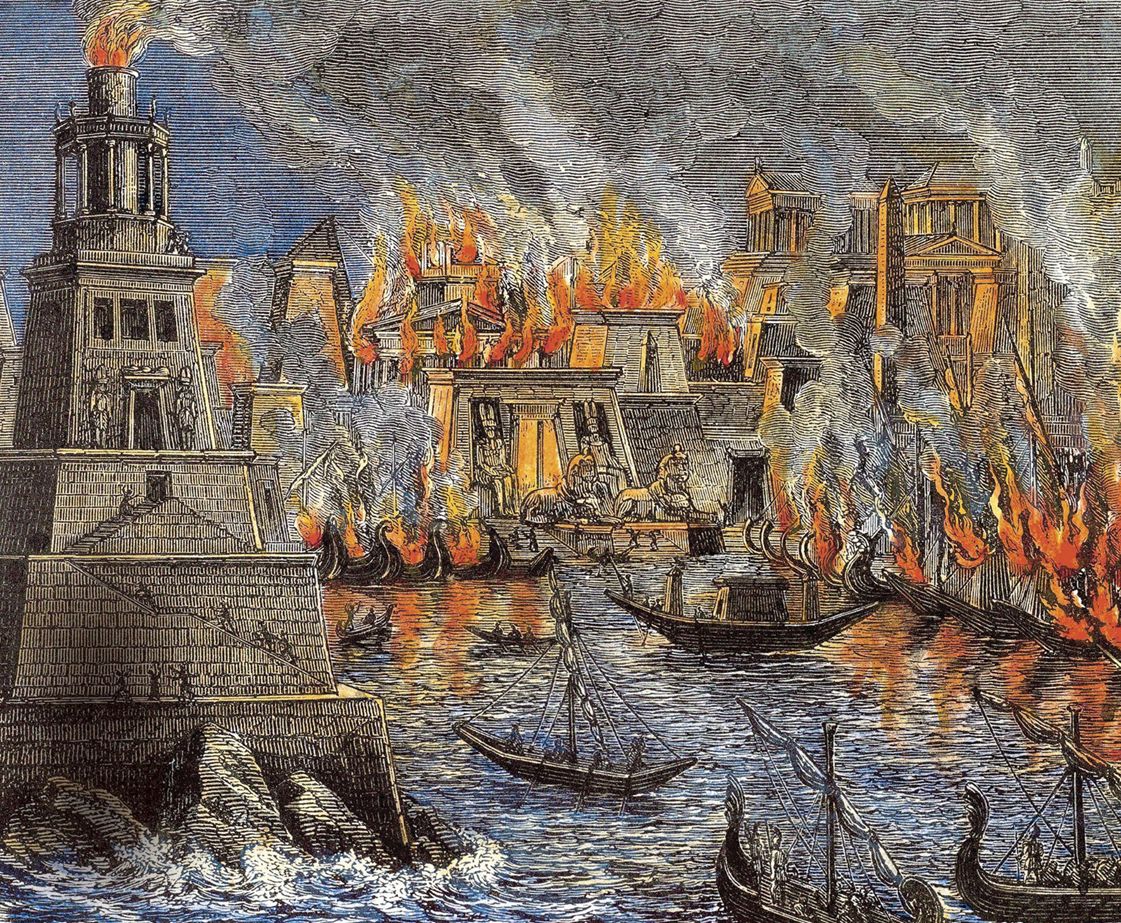
Alexander’s tomb would have been a prime target for destruction, so Chugg thinks citizens claimed Alexander’s body was actually the body of Saint Mark in order to preserve it. Mark had been martyred in Alexandria, but before the late 4th century there was no mention of his body
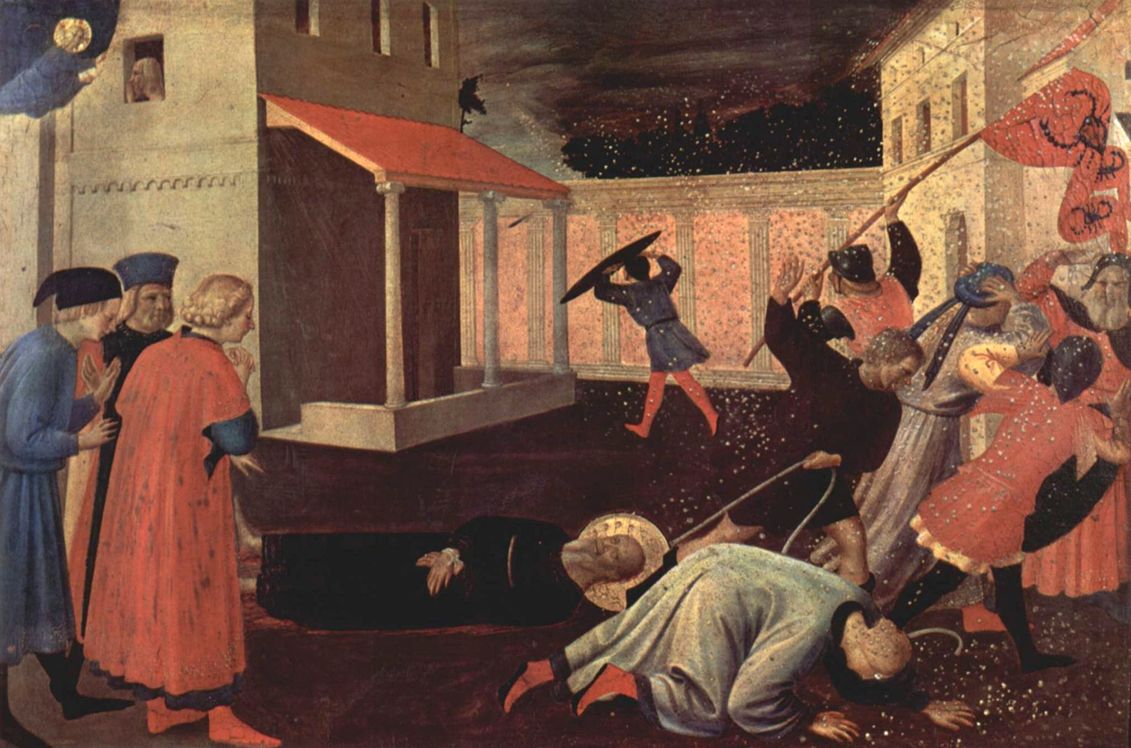
Some accounts claim Mark’s body was burned, negating the possibility of it being preserved, while others say it was snatched away at the last moment—but the earliest documents attesting to this theory date to the same time Alexander’s body went missing (~400 AD).
Mark’s body was supposedly taken to Venice in 828 AD by Venetian merchants, and eventually laid to rest at St. Mark’s Basilica. In Chugg’s theory, the body they took to Venice was Alexander’s, not Mark’s. And there’s evidence to support the theory.

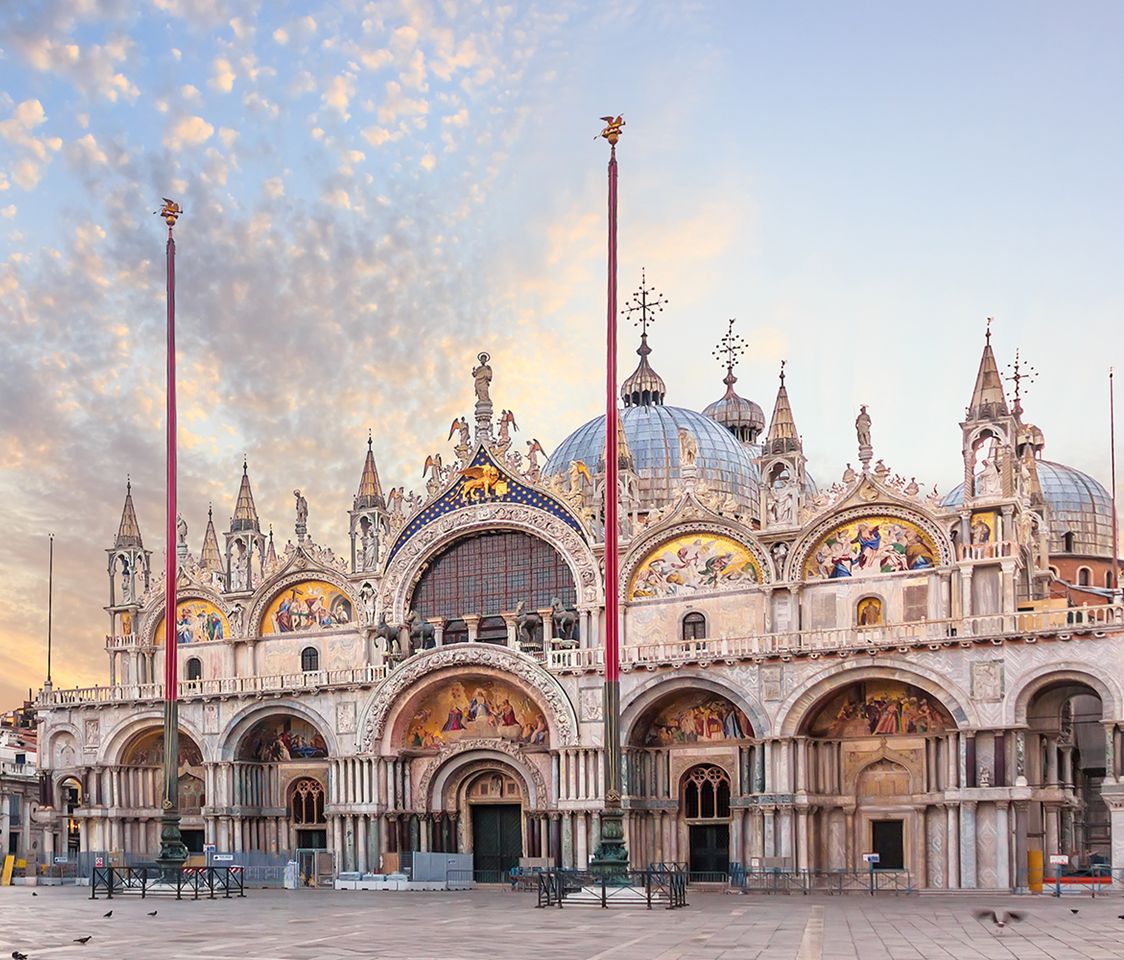
First, there is evidence that Mark’s body was mummified. Martino da Canale, a Venetian chronicler who saw the body in 1275, recorded that it was heavily perfumed. Other records indicate linen wrappings covered the corpse and the body was intact—not a skeleton.

Ancient Christians did not practice mummification. Alexander, who was fascinated by Egyptian culture, was recorded as being mummified, though.
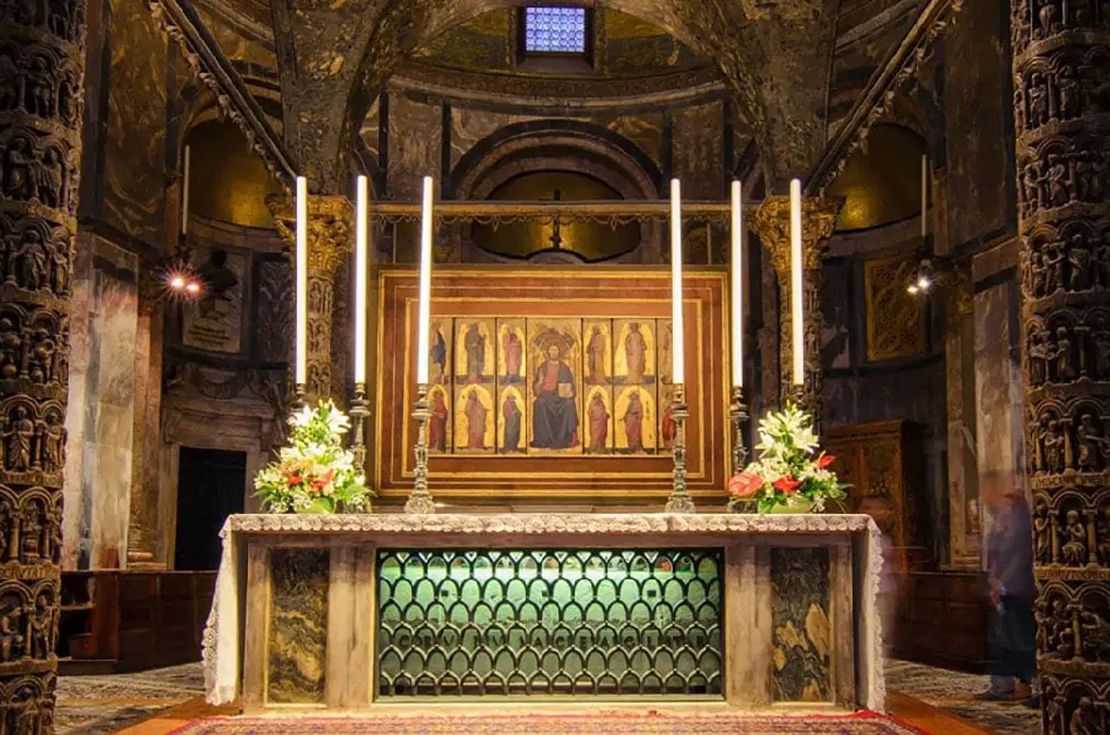
Another piece of evidence is that Mark’s body showed no sign of fire damage which one would expect if his body had been burned. But the best evidence is a sculpture that ties Mark’s body directly to the Kingdom of Macedonia…

A large piece of carved limestone was found only a few feet away from Mark’s tomb in the crypt of the basilica—it had likely been brought with the body. The block depicts a relief of a shield, greaves, sword, and spear. All appear to be Hellenistic in style.

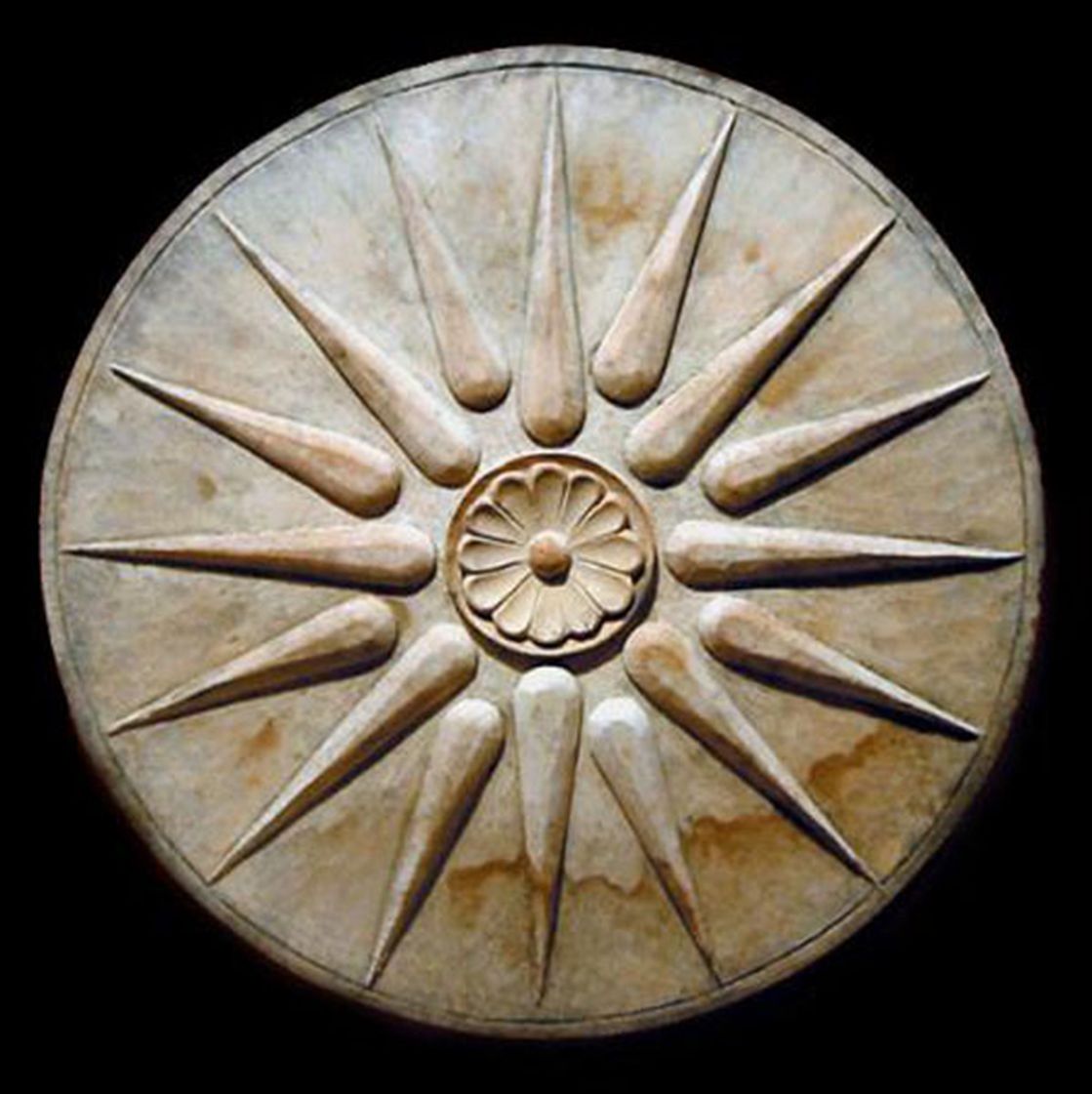
The shield sports a star motif very similar to the “Star of Vergina” or “Star of Macedon” that was a symbol associated with Alexander and his family. It is found on other Macedonian tombs.

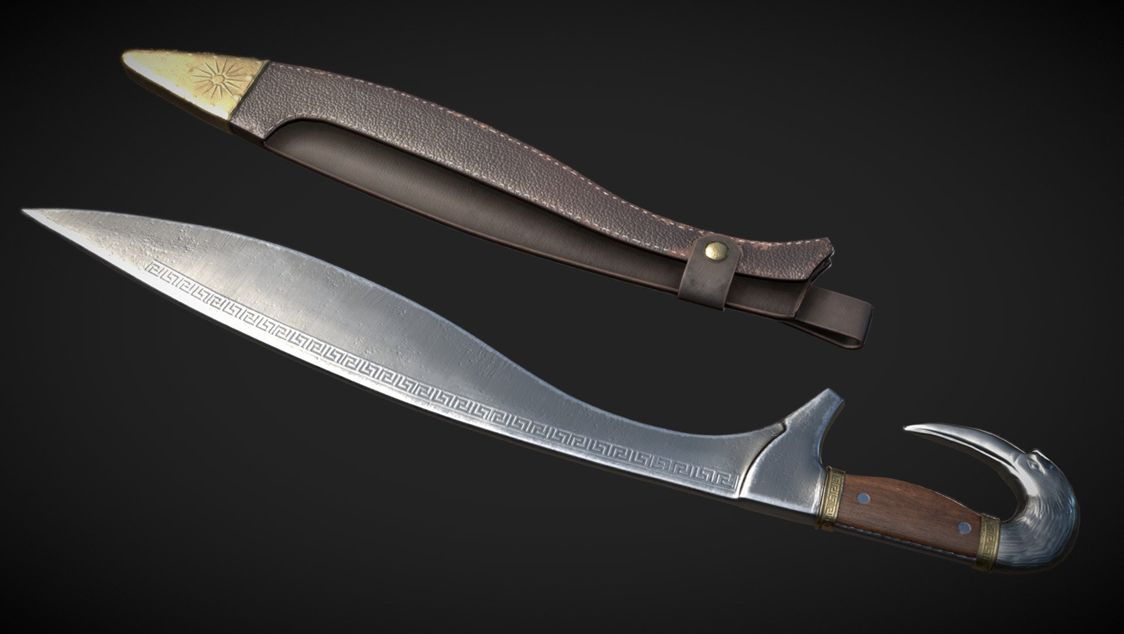
The sword carved into the side of the block is almost certainly a Greek-style kopis. And the spear appears to be part of a sarissa used by Macedonian armies. All this begs the question: Why would Mark the Evangelist be buried with so many Macedonian symbols?

But there’s more. The block fits perfectly to what is likely the original sarcophagus of Alexander when he was laid to rest in Memphis. Now at the British Museum, this sarcophagus was, according to Chugg, encased by the carved block.
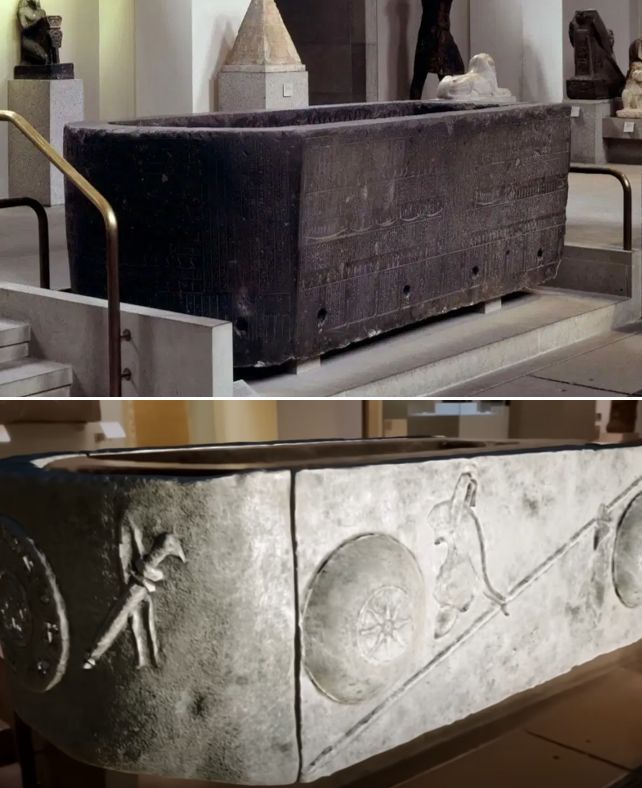
Dimensional analysis of the block and the sarcophagus reveals an exact fit. So if the block and sarcophagus went together, and the block traveled with the body that now rests in St. Mark’s Basilica, it lends credence to the theory that Mark's body is actually Alexander's.
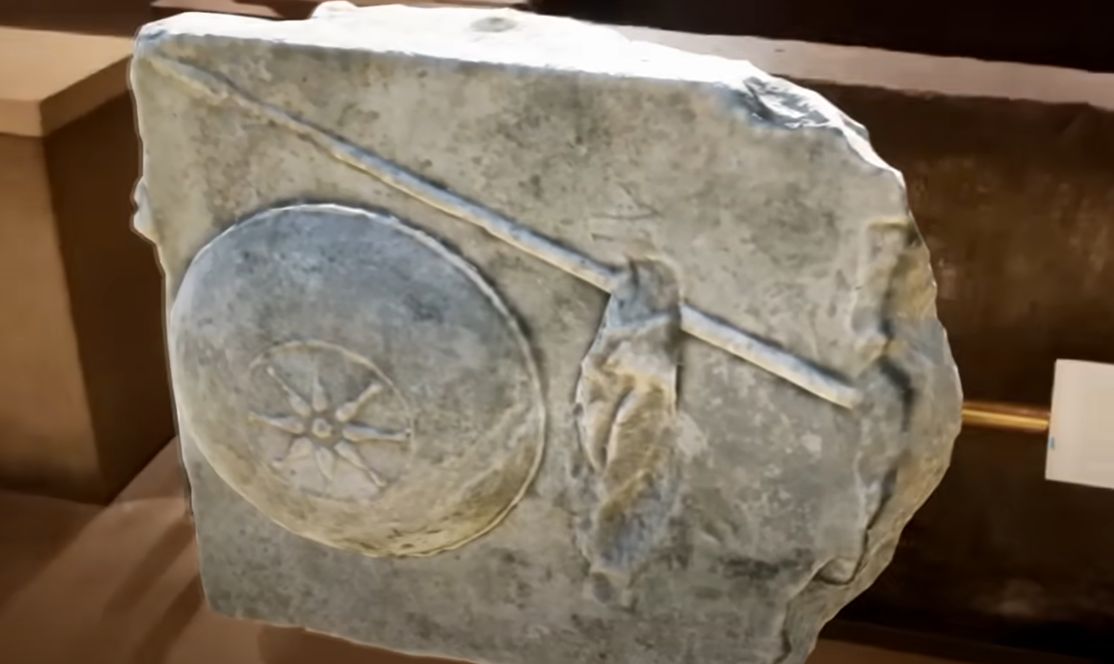
Let’s review the evidence: -Alexander’s body disappears around 400 AD, right around the same time Mark’s body pops up in the record -Mark’s body is brought to Venice in the 9th century, but there’s evidence it was mummified which was not a Christian practice
-Mark’s body is buried in Venice alongside a stone block carved with—for some reason—Macedonian symbols -dimensional analysis reveals that the carved stone block fits perfectly around a sarcophagus that has long been associated with Alexander
It’s a compelling case, but unfortunately we won’t know for sure anytime soon—DNA testing on Mark’s body isn’t going to happen in the near future, so the theory can’t be proved.
Chugg’s theory could shake the foundations of archeological and religious consensus. It’s still considered fringe for now, but the amount of evidence is surprising. What do you think about his theory?
We dive deeper into topics like this in our newsletter. In-depth articles straight to your inbox every week (free)👇 http://thinkingwest.substack.c...
@thinkingwest Since it's never been found, it would stand to reason that everyone has been looking in the wrong place.
@thinkingwest Enjoyed reading this very much! Now it seems absolutely impossible to imagine that there was a time when one could actually visit the tomb and see Alexander’s body 🤯
@thinkingwest Interesting theory, I wonder if we will ever actually know for sure.
@thinkingwest We await DNA testing.