
🧵I did 9 combat counter-narco deployments to Colombia (1992–99) I have a few thoughts. FYI: I worked in FOBs in the Amazon in non-gov FARC controlled parts of Colombia. I didn't know the big picture of these ops, just my view from the ground (That's-a-me! Behind the tree!)
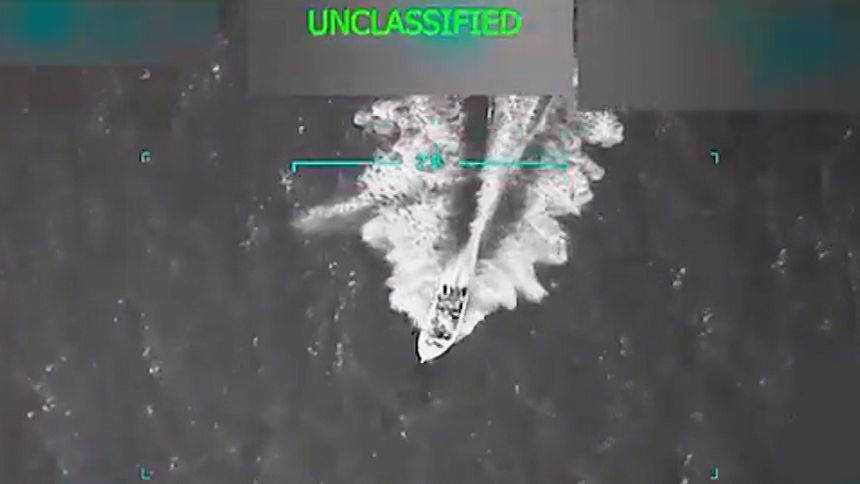

1) Shooting drug runners: Nothing new here in principle, just in practice. We tracked drug running planes within Colombia and Peru and guided those governments directly in shooting down *suspected* drug planes.
In practice, we were "technical advisers to the Colombian government", but in principle, we have been shooting suspected craft for a long time within the borders of Colombia before those drugs even left the country.
2) I said *suspected* because this inevitably led to the shoot downs of innocent people. In one horrific case, we guided the Peruvian gov to shoot down a missionary's plane killing a mother and her infant child. https://abcnews.go.com/Blotter...
3) In most cases, planes were warned (via open channels) to land immediately, and then told to flee the plane so that it could be destroyed with gun fire on the ground. If the pilots kept flying, we guided the host nation's air force in shooting it down. https://www.youtube.com/watch?...
If there is no warning given and no recovery of the vessels, then the inevitable will happen. People committing non-violent felonies will be killed from above with (literally) no warning. Forget about accidental killings, that seems unjust by any legal standard.
4) Me and many of my comrades slowly concluded that supply side interdiction basically outsourced the violence to those most trapped in the cartel system, while failing to deal with what could be a successful war on drugs at home: addiction recovery . . .
If we had invested a fragment of those funds in rehabbing addicts at home, we might have cut the flow of drug violence rampant in Central/South America AND we might have become prepared for the coming indigenous legal drug addictions of prescription pills . . .
That would have required a lot of thoughtful social working and legislation based upon our belief that drug addicts are people worthy of care. And, they need grace more than punitive outcomes on the front end of addiction . . .
That recovery sentiment felt largely absent in the 1980s/90s when it was easier to vote for violence *over there* and "locking up" druggies *over here*.
So for all us who celebrate "blowing up drug boats", we may be enjoying a series of biblical injustices that ultimately have no real effect on the problem; but sure do get people excited about taking action . . .
I fear that the change hoped for will not come by these kinds of actions (drugs always find a way, like the route through Mex emerging when we shut down the aerial routes). I fear that most of us won't realize the folly of this until we see addictions scarring our children . . .
TL;DR: Where addictions run rampant, drugs will find a way. By helping addicts (not by unjust killings of smugglers) we might accidentally help our own children, whom the drugs will find.
@Dru_Johnson Wow, very relevant to the news right now, Dru.