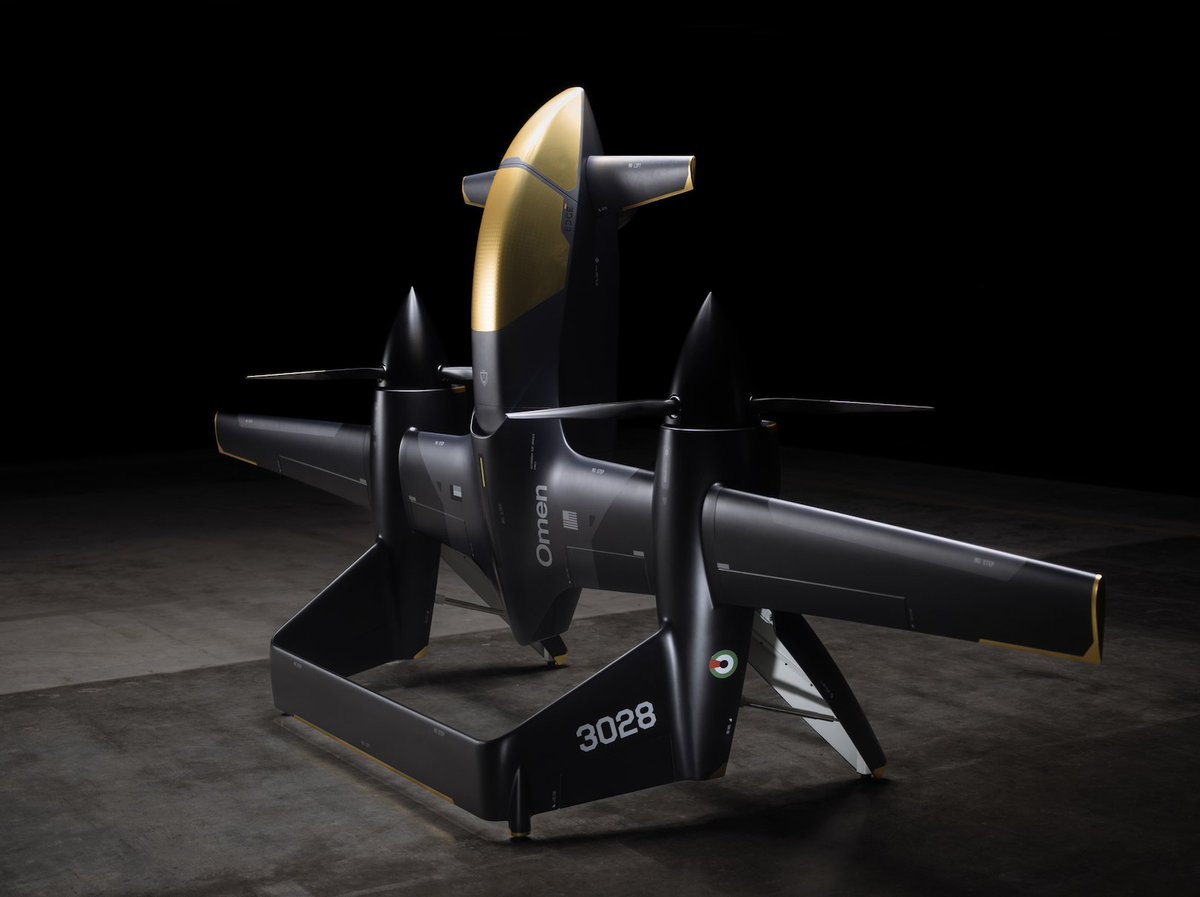
Omen is the first tail-sitter with a mass-production contract. Aerospace companies have tried and failed to successfully produce one for decades. Palmer and his team of engineers kept going until it worked. Here's the story behind this historic achievement (1/14)
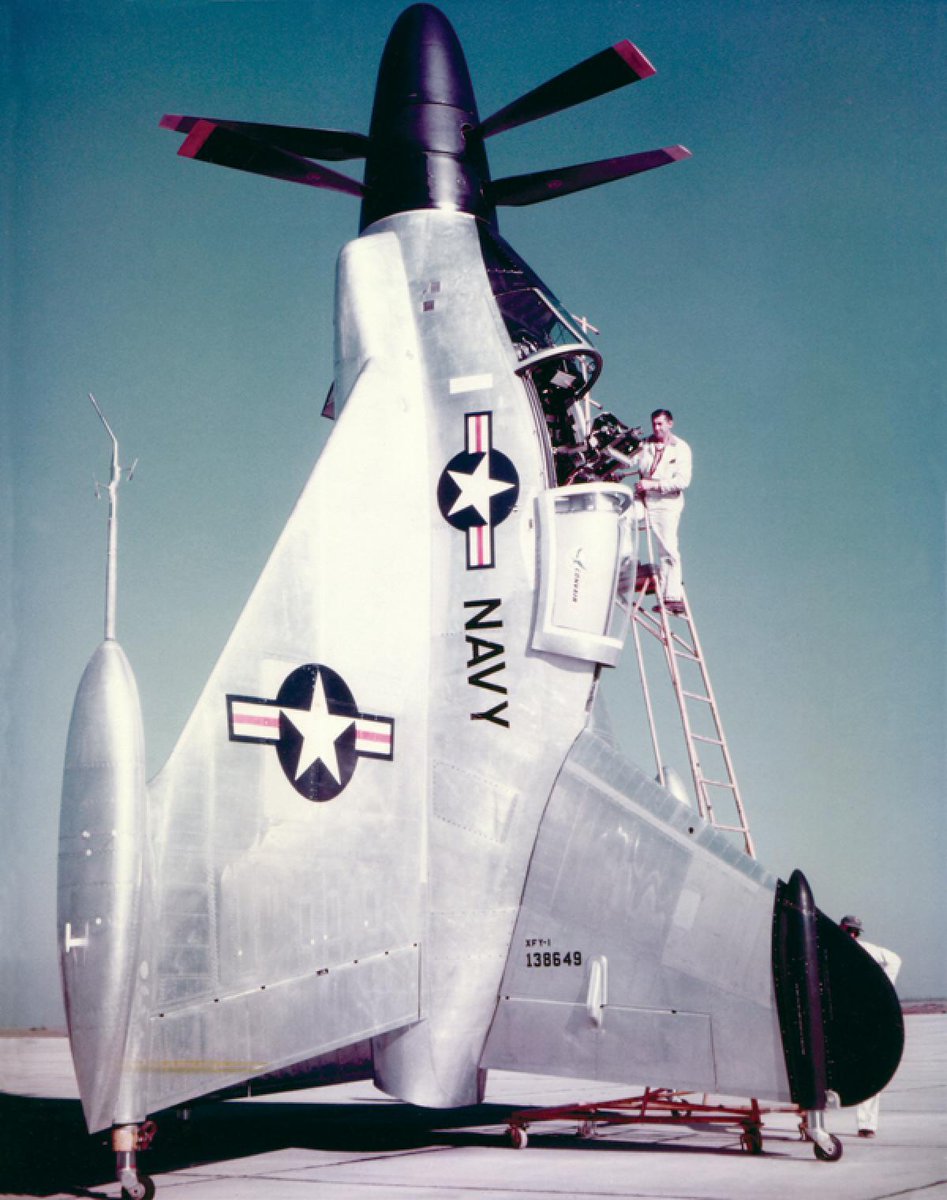
Tail-sitters have long been a mirage of the optimal military aircraft. Airplane performance with helicopter freedom. The idea was right, but the tech never was. The challenge was synchronizing breakthroughs in propulsion, control systems, composites, and manufacturability. They
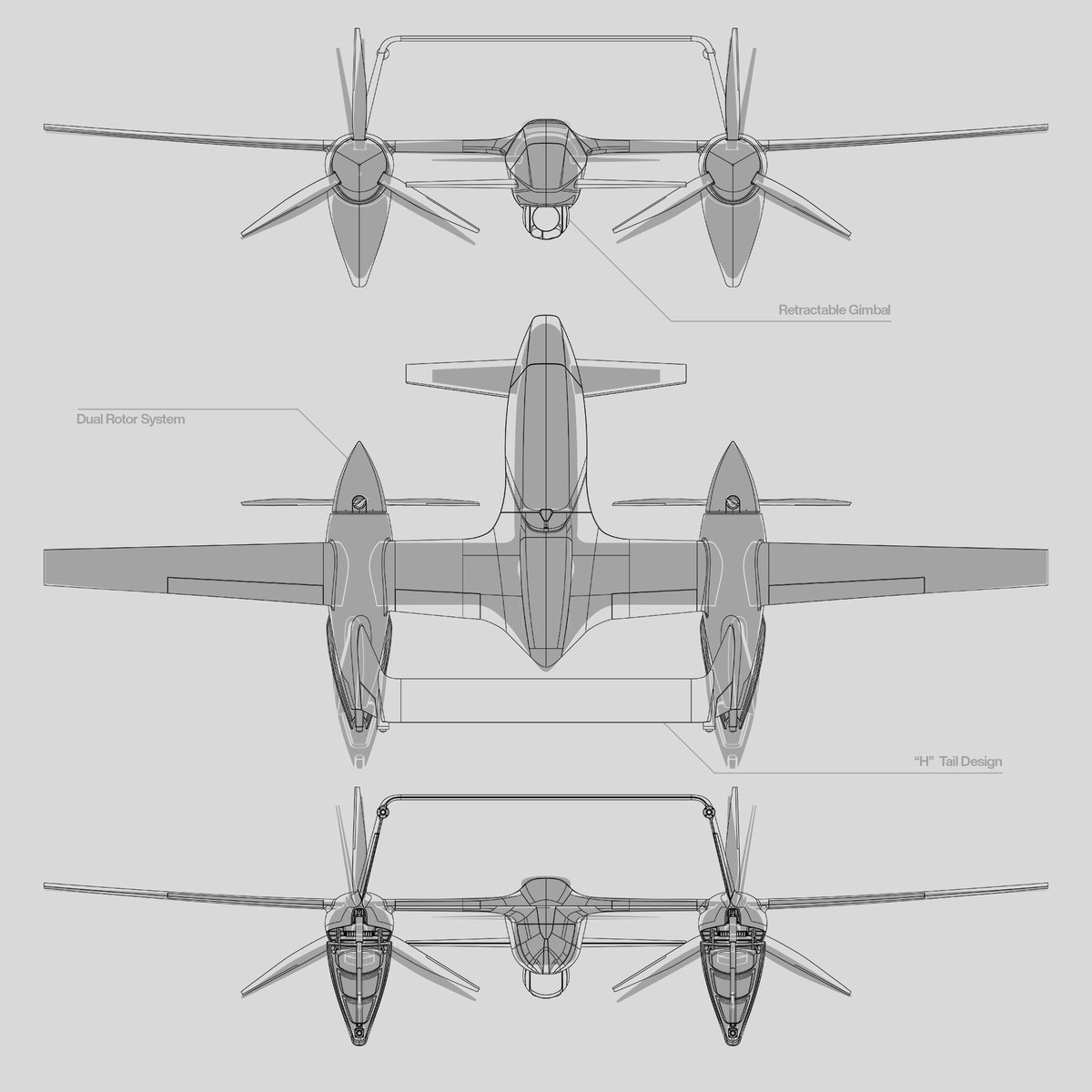
Omen began in 2019 as a reverse fusion of two Ghost fuselages.

It... did not fly well. But it taught us the physics we'd need later.
The form had to evolve with the architecture. The real challenge for industrial design was preserving our brutalist, lean form language while the underlying configuration shifted through each iteration. When the mission gets more unforgiving, the design has to get sharper.
We built and tested many sub-scale demonstrators. The biggest challenge: controlled transition from hover to forward cruise.
Omen OGs, on Polaroid. First flight of our internally-developed flight computer. Circa 2020.

Omen's first full-scale tethered hover. The airframe was real. The physics were real. The rest got much harder.
In 2022, propulsion trapped Omen in development hell. We couldn't get the power or efficiency we needed. The aircraft let us know. We spent three years solving thrust, power, and control issues.
They say aircraft programs are just engine programs in costume. Omen quickly taught us how bad vibrations can get on small engines. When turning up the power for takeoff, the vibes only got worse, and managing them made the system too heavy. Many quill shafts were broken.
This test showed aero-elastic flex in the blades caused undesirable effects in forward flight, hurting range targets.
Rotor modeling in hover is hard. Early designs required low-disk-loading, high-aspect blades to work in both hover and cruise, meaning they were compromised in both. We found the limit state of the whole architecture here.
Recent internal breakthroughs in hybrid propulsion hardware, software, and eVTOL battery tech finally cracked the performance wall. Our full-scale hybrid demonstrator is in final tests before its first flight. Coming soon.
With @_edgegroup as our production partner in the UAE, we're proving Omen in a harsh environment that mirrors the Indo-Pacific: Long distances over water. Expeditionary basing. Persistent ISR with no fixed infrastructure. Proving Omen in the Gulf accelerates readiness for the