
1. Feynman Technique • Study the topic thoroughly once. • Explain it simply as if teaching a beginner. • Identify unclear or weak areas during explanation. • Relearn those unclear parts from the source. • Simplify the explanation again until it feels effortless. (2/21)
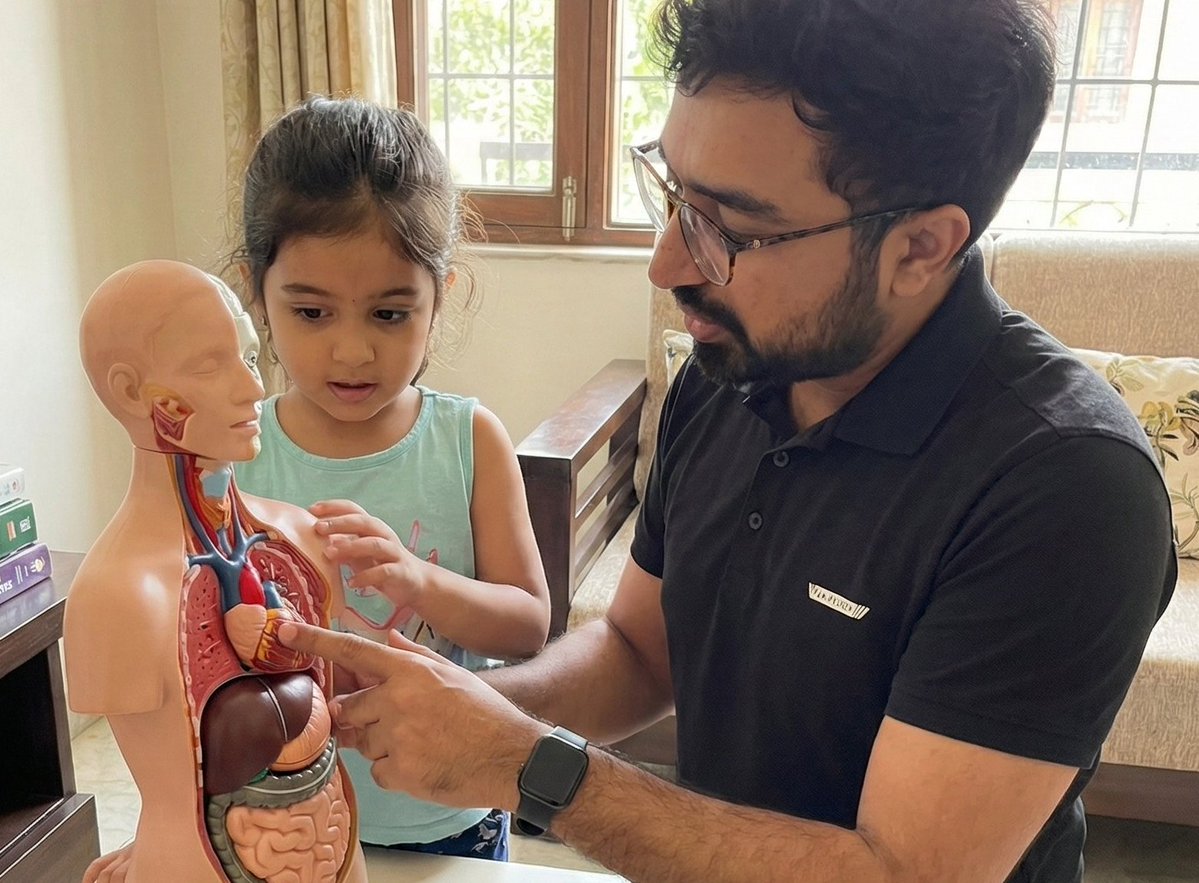
2. Blurting Method • Read the content carefully one time. • Close the book and write everything you remember. • Compare your recall with the original content. • Highlight missing or incorrect information. • Repeat until recall becomes complete and accurate. (3/21)

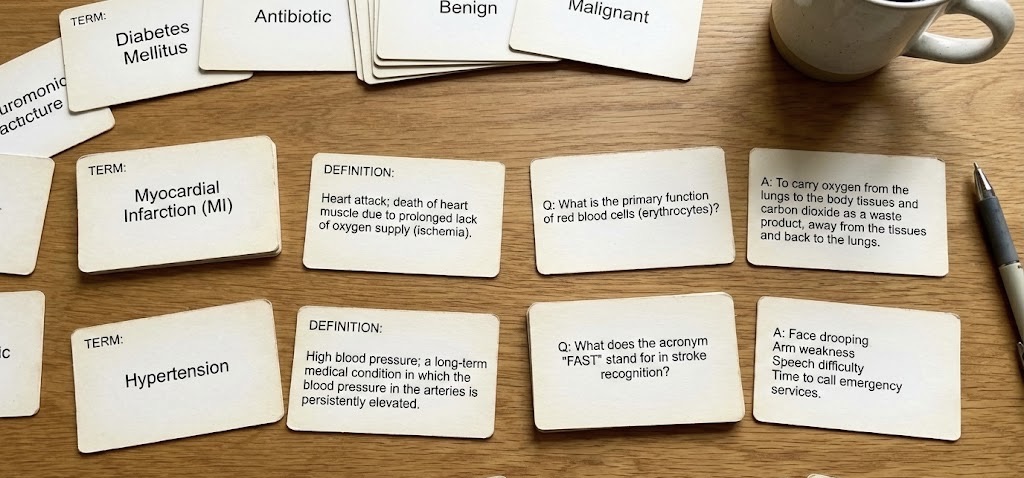
3. Active Recall Flashcards • Create Q&A flashcards from key concepts. • Test yourself without looking at answers. • Shuffle cards for unpredictable recall. • Remove mastered cards and keep revising weak ones • Revisit the deck weekly to maintain retention (4/21)
4. Spaced Repetition • Review material shortly after learning it. • Increase intervals between revision sessions. • Prioritize difficult content more frequently. • Use timelines such as Day 1, Day 3, Day 7, Day 14. • Continue revisions monthly for permanent memory. (5/21)

5. Pomodoro Technique • Study with deep focus for 25 minutes. • Take a short 5-minute break after the session. • Repeat four cycles to complete one block. • Take a longer break of 15–30 minutes afterward. • Adjust timing if needed but maintain structure. (6/21)
6. Mind Mapping • Write the main topic at the center. • Draw branches for major subtopics. • Add keywords, diagrams, or colors for clarity. • Connect related branches to show relationships. • You can take take help of Google NotebookLM (7/21)

7. Question-Based Learning • Turn every heading into a question. • Attempt answering before reading the chapter. • Read to confirm or correct your response. • Make unanswered questions part of revision. • Use the same questions for later self-testing. (8/21)
8. Practice Questions Early • Begin solving questions before finishing the topic. • Identify patterns in frequently asked content. • Use mistakes to guide what needs revision. • Repeat questions after learning the topic fully. • Take help of online Q&A apps (9/21).

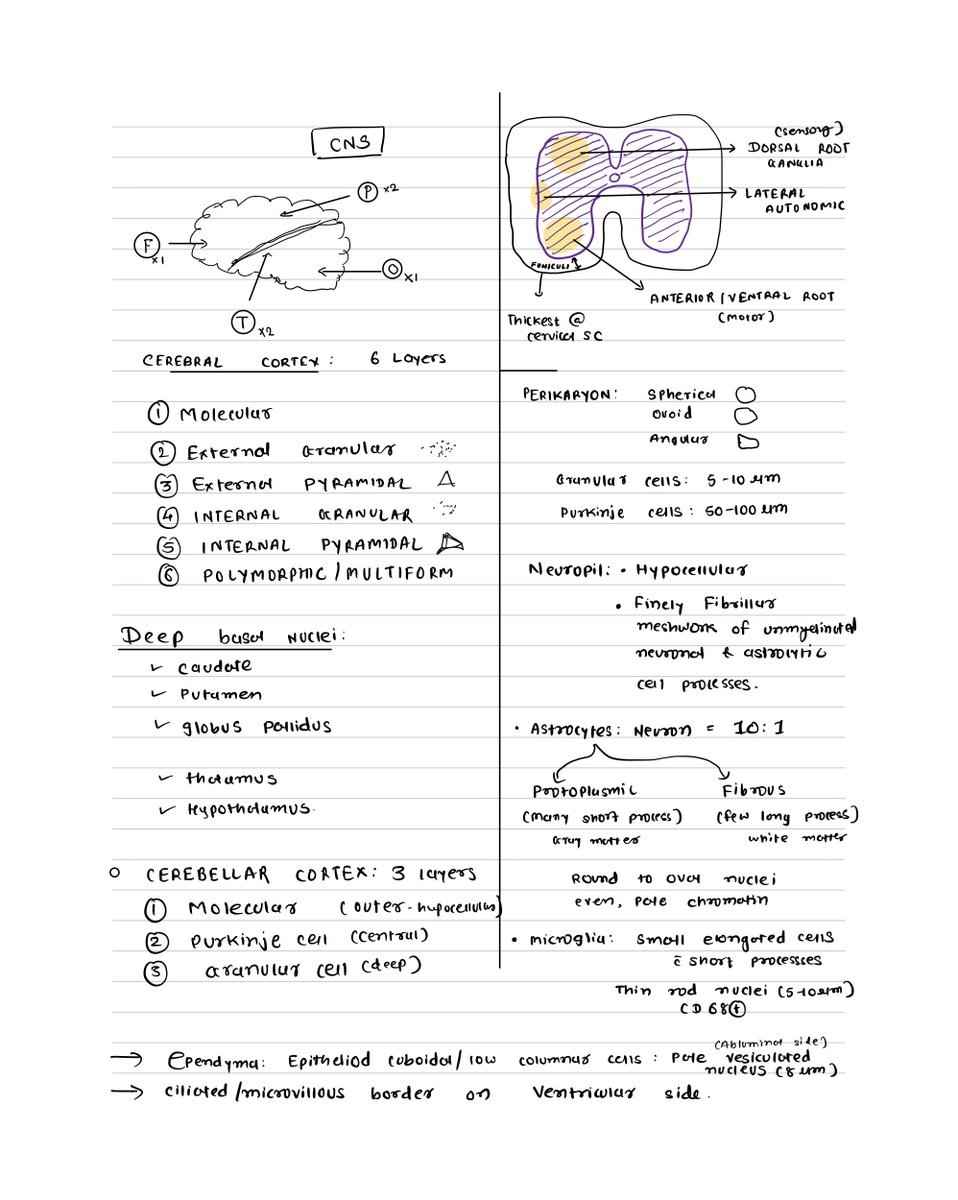
9. Active Note-Making • Rewrite content in your own words. • Use short, clear, and meaningful sentences. • Add diagrams, tables, and abbreviations. • Highlight only truly important facts. • Update notes when learning new insights. (10/21)

10. Interleaving • Rotate between subjects while studying. • Avoid repeating the same topic for long hours. • Mix easy and difficult content strategically. • Allow small confusion; it strengthens the brain. • Revisit mixed cycles to reinforce flexibility. (11/21)
11. Compare & Contrast • Select two similar topics or conditions. • List similarities to find core concepts. • Identify key differences to avoid mix-ups. • Create a visual table for clarity. • Review before exams to prevent confusion. (12/21)
12. Real-Life Application • Connect theory to real examples or patient cases. • Observe how concepts apply practically. • Create mental stories or scenarios around them. • Repeat the scenario-based recall often. see I made this meme by correlating things >> (13/21)

13. First Principles Thinking • Break content into its simplest elements. • Understand why each point exists. • Ignore memorization until logic is clear. • Rebuild understanding step-by-step. • Apply logic to solve advanced variations. (14/21)
14. Error Journal • Record every mistake from tests or flashcards. • Write the correct answer beside it. • Add the reason or logic behind the correction. • Revise the journal weekly. • Track recurring mistakes to break patterns. (15/21)

15. Margin Notes • Write keywords beside paragraphs. • Use symbols like ?, !, or ★ to mark importance. • Add diagrams or short memory triggers. • Avoid rewriting full sentences. • Use margins for quick revision before exams. (16/21)
16. Use voice recorder app • Record yourself explaining the topic in clear simple language. • Listen to the recording while walking, traveling, or before sleep. • Notice unclear or weak explanations in playback. • You can use it at 2x 3x while revising 😉 (17/21)
17. AI-Assisted Study Technique Five-point expansion: • Ask AI to explain the topic in simpler or alternative ways for clarity. • Generate quizzes, flashcards, mnemonics, or case scenarios to test understanding. • Apps: Grok, ChatGPT, Gemini (18/21)
18. Role-Play Study (ONLY IF YOU HAVE CREATIVE FRIENDS) • Turn content into a scenario or conversation. • Assign roles to different concepts or processes. • Like for autoimmune disease : humein to apno ne luta, ghairo me kaha dum tha (19/21)
19. Memory Palace (Sherlock fans know it) • Choose a familiar physical route or room. • Assign facts to specific spots in the space. • Visualize walking through the memory path. • Recall information by mentally revisiting locations. (20/21)

20. Follow experts, seniors, and mentors working in the same field or subject area • Ask your doubts openly, even if they feel basic or embarrassing. • If you are a medical student, you can follow me. Regards, Dr Kamlesh Darji M.D. (21/21)