
I'm obsessed with cognitive biases. A "cognitive bias" is a systematic error in thinking that destroys decision-making. 11 most powerful (and dangerous) cognitive biases I've found: 🧵 1. Survivorship Bias:
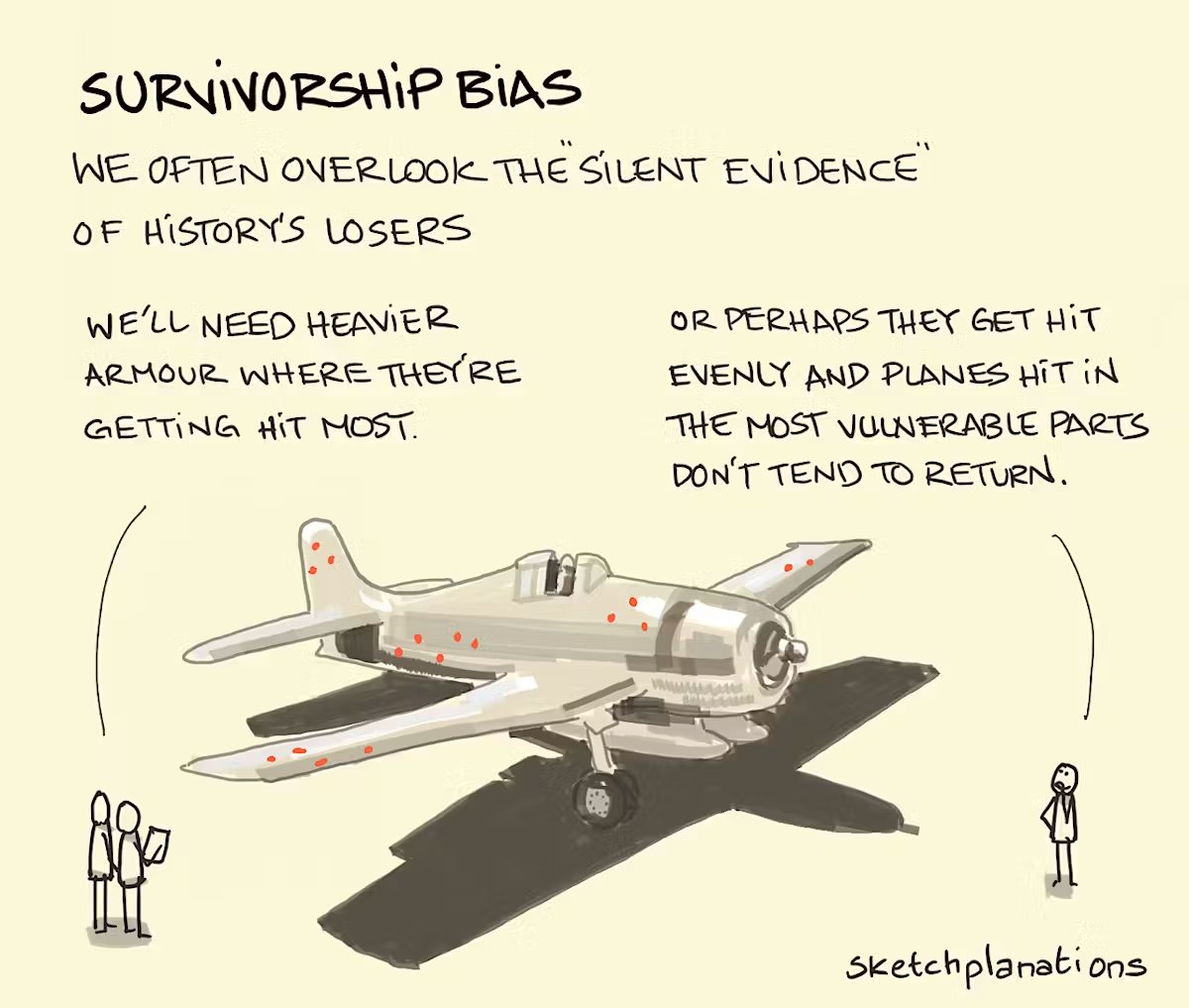
1. Survivorship Bias: We focus on the winners and ignore the losers. We study the college dropout billionaires but ignore the thousands of dropouts who failed. Success leaves clues, but failure teaches lessons.
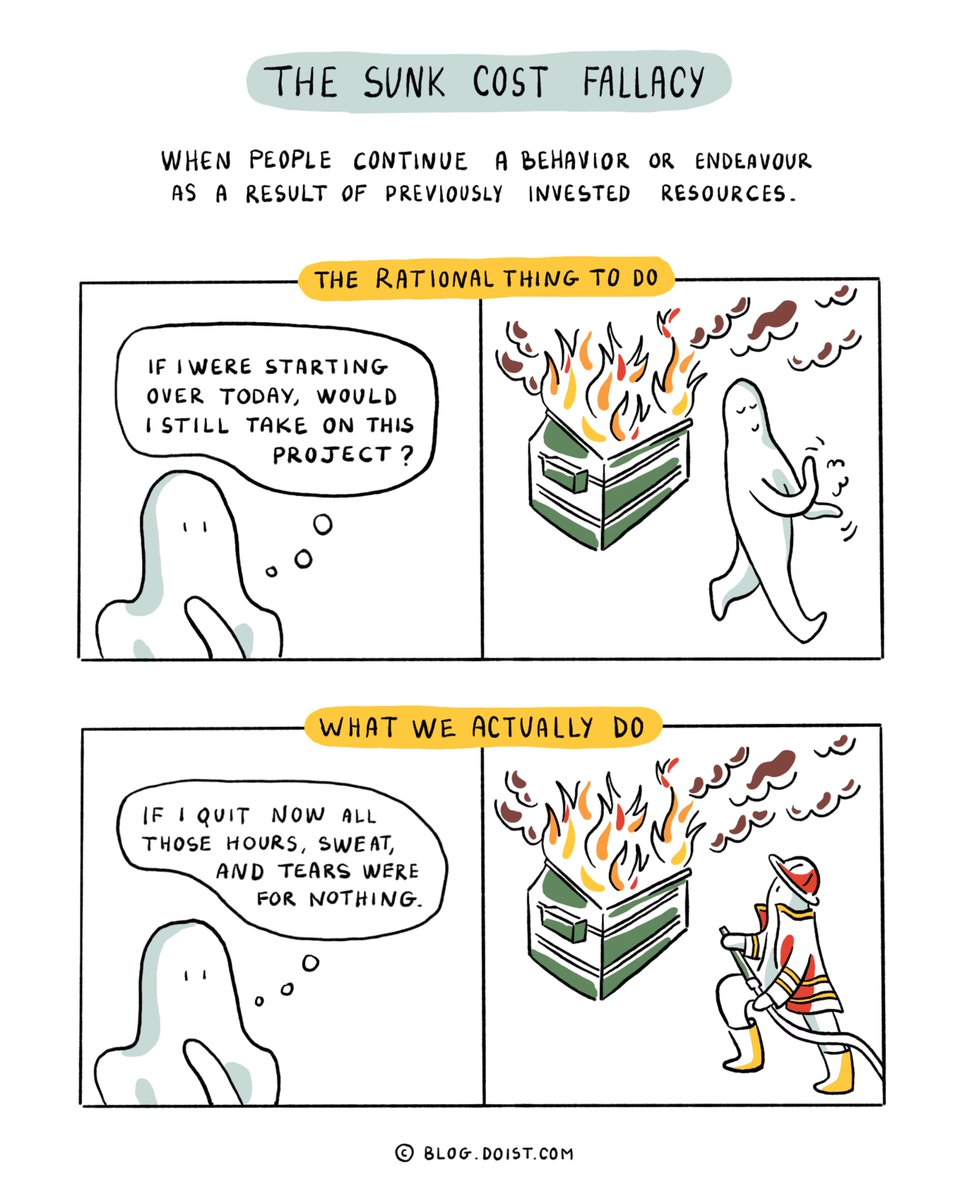
2. The Sunk Cost Fallacy: We cling to things just because we’ve already invested time or money in them. We refuse to quit a bad job or project because we "can't let that effort go to waste." Don't throw good time after bad.
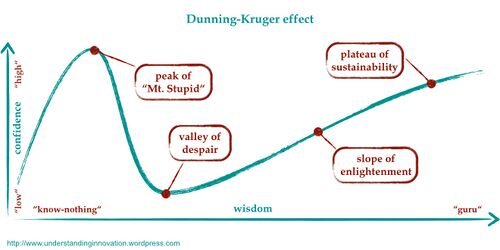
3. The Dunning-Kruger Effect: Incompetence blinds you to your own incompetence. People with low ability often overestimate their competence, while experts often underestimate theirs. True wisdom is knowing what you do not know.
4. Anchoring Bias: The first piece of information you receive sets the tone for everything that follows. E.g: The first price offered in a negotiation makes the second price seem "cheap" or "expensive."

P.S. If you want my collection of the best, most useful 100+ mental models, cognitive biases, and mental fallacies, grab a free copy here:
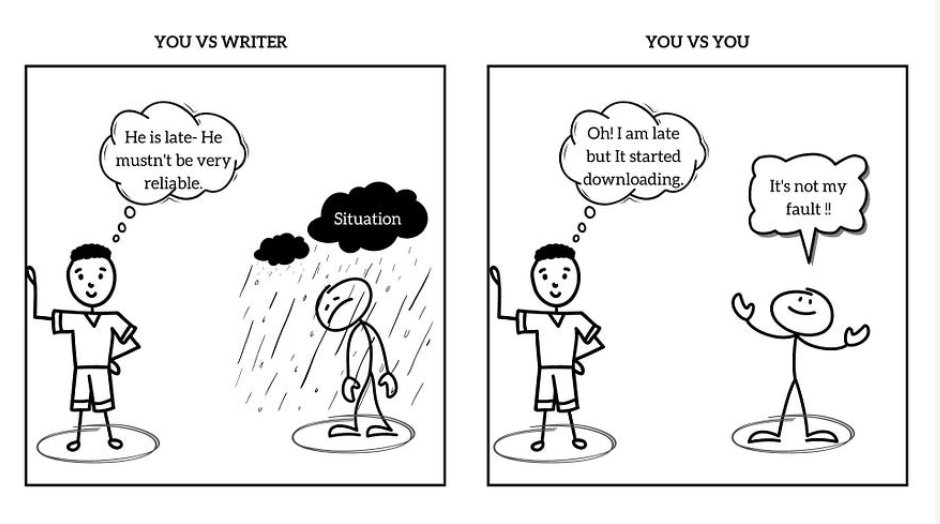
5. Fundamental Attribution Error: We judge others by their actions, but we judge ourselves by our intentions. If someone is late, they are lazy. If you are late, it was traffic. Extend the same grace to others that you give yourself.
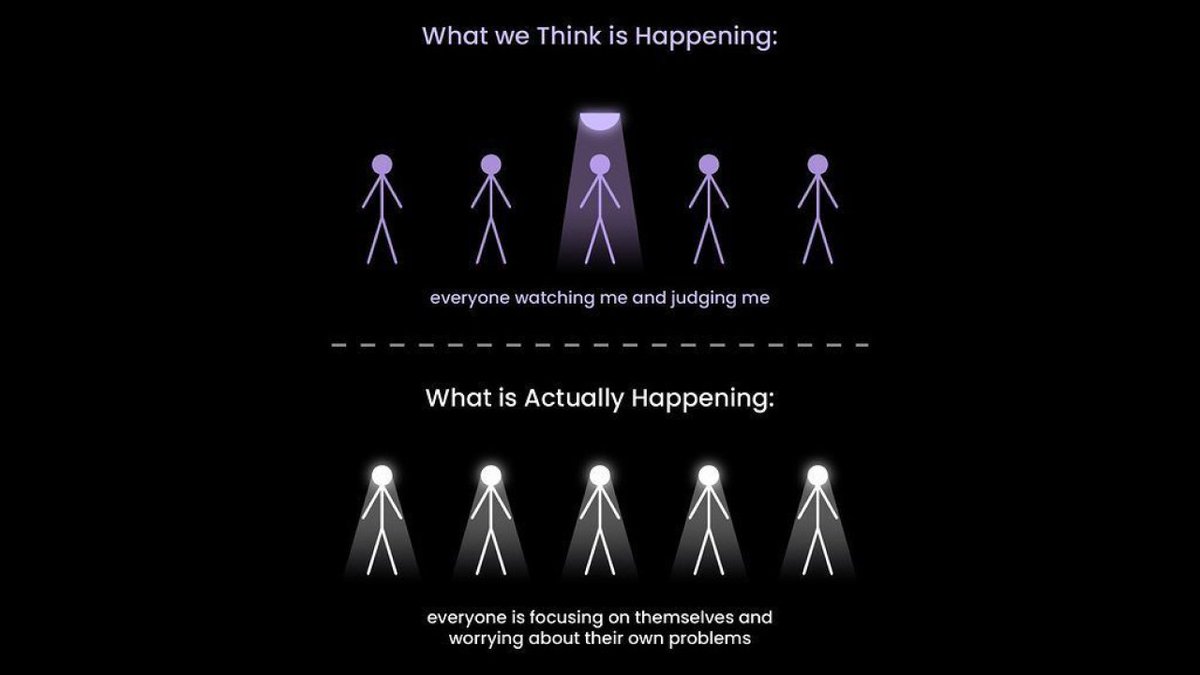
6. The Spotlight Effect: We constantly overestimate how much people notice our appearance or mistakes. The truth? Everyone is too worried about themselves to worry about you. You are not the main character in their movie.
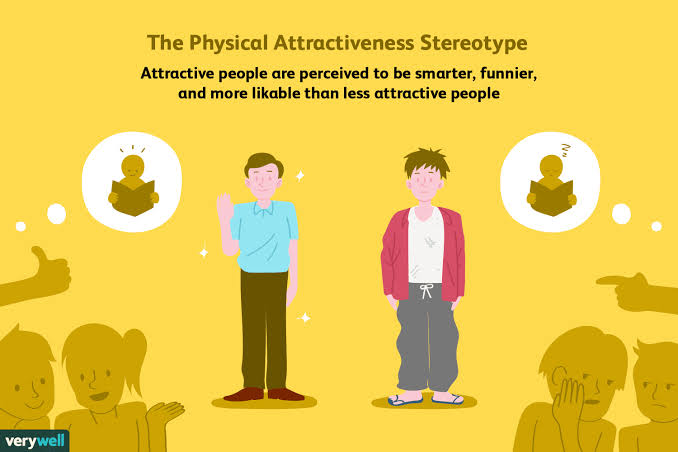
7. The Halo Effect: If we see one positive trait in a person, we assume they have others. E.g: We subconsciously assume attractive people are also smarter or kinder. Don't let a first impression blind you to reality.
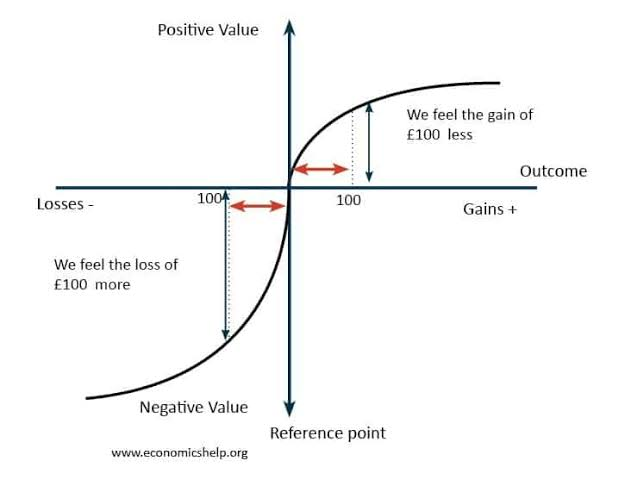
8. Loss Aversion: The pain of losing is psychologically twice as powerful as the pleasure of gaining. We play not to lose, rather than playing to win. Fear of loss keeps you stagnant.
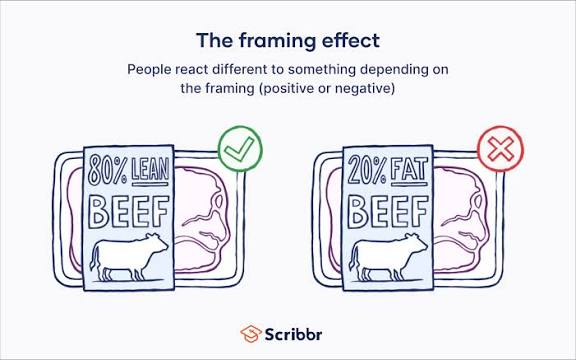
9. The Framing Effect: How you present information matters more than the information itself. "90% fat-free" sounds healthy. "10% fat" sounds unhealthy. Context is King.
10. Availability Heuristic: We judge the likelihood of an event based on how easily we can remember similar examples. News shows plane crashes, so we fear flying, despite cars being far deadlier. Don't mistake "memorable" for "probable."
Thank you for reading this thread. What’s your ONE big takeaway from this story? Follow me @GeniusGTX for more threads about the hidden brilliance of ancient civilizations.
Thank you for reading this thread. What’s your ONE big takeaway from this story? Follow me @GeniusGTX for more threads about the hidden brilliance of ancient civilizations.
Since 2024, we’ve generated 1B+ impressions and 500K+ followers on X. We are now teaching our exact content system to founders, coaches & consultants. The Goal: Build true authority and unlock qualified leads in 90 days. Schedule your spot below:
Found out? 😌
😂