
Holy shit… Stanford just showed why LLMs sound smart but still fail the moment reality pushes back. This paper tackles a brutal failure mode everyone building agents has seen: give a model an under-specified task and it happily hallucinates the missing pieces, producing a plan
Most people missed the subtle move in this paper. SQ-BCP doesn’t just ask questions when information is missing. It forces a decision between two paths: • ask the user (oracle) • or create a bridging action that makes the missing condition true No silent assumptions

Another underrated detail: the model tracks uncertainty explicitly. Every precondition is labeled: • Sat (satisfied) • Viol (violated) • Unk (unknown) “Unknown” is not tolerated. Plans with unresolved Unk states are invalid by definition, no matter how fluent they look.
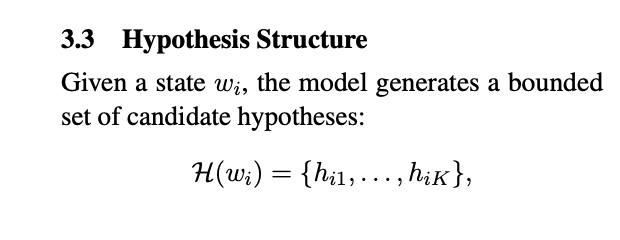
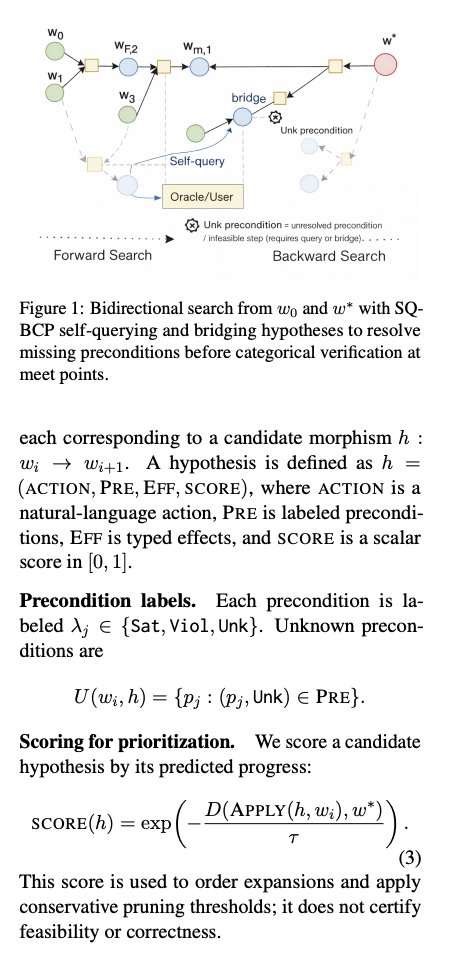
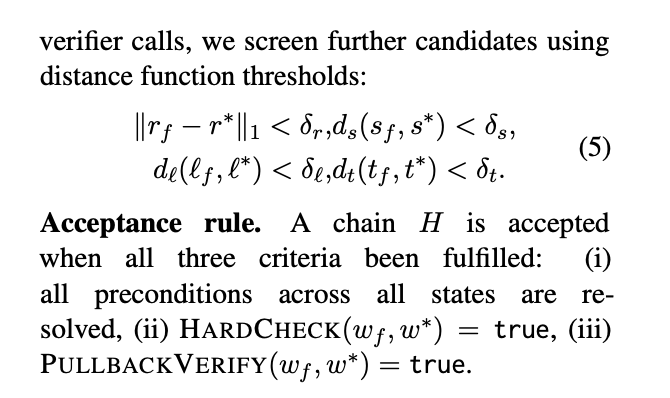
Here’s where most agent systems cheat. They use similarity scores to decide if a plan is “good enough.” Stanford flips this: • distance scores = ranking only • correctness = hard constraints + categorical verification A plan can be close and still be rejected.
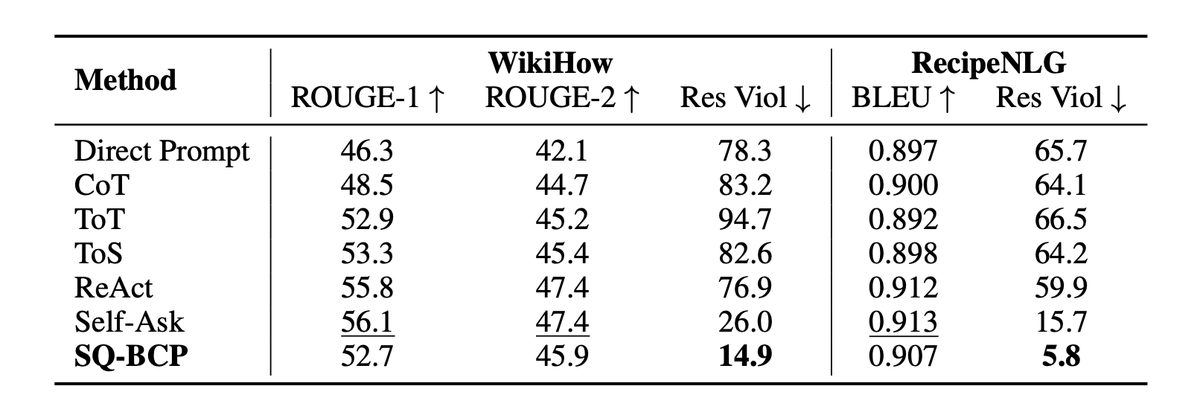
The empirical result that matters isn’t ROUGE or BLEU. It’s constraint violations. Tree-of-Thoughts, ReAct, even Self-Ask still break rules silently. SQ-BCP cuts violations by more than 2×, because it refuses to proceed without feasibility.
This is one of those papers that quietly redraws the agent roadmap. If you’re building systems that must actually execute, not just explain, read it. Stanford paper: “Teaching LLMs to Ask: Self-Querying Category-Theoretic Planning” 👉
Your premium AI bundle to 10x your business → Prompts for marketing & business → Unlimited custom prompts → n8n automations → Pay once, own forever Grab it today 👇
I hope you've found this thread helpful. Follow me @rryssf_ for more. Like/Repost the quote below if you can:
greatt
we need to talk about this more
100%