
SIBO is surprisingly common these days. Yet it goes unrecognized quite frequently, even though it’s a common driver behind issues such as: -Chronic fatigue -Brain fog -Skin issues -Hormonal imbalances -Autoimmune conditions -Mental issues such as generalized anxiety and
*Standard disclaimer that nothing in this thread should be used as a substitute for medical advice* It's George. Let's start with the basics. SIBO or small intestinal bacterial overgrowth is a well, almost a self-explanatory condition that marks an abundance of bad bacteria,
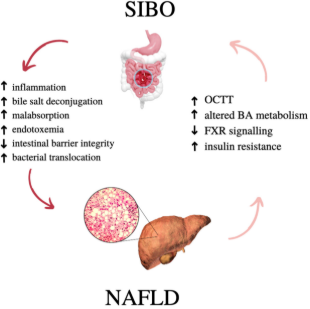
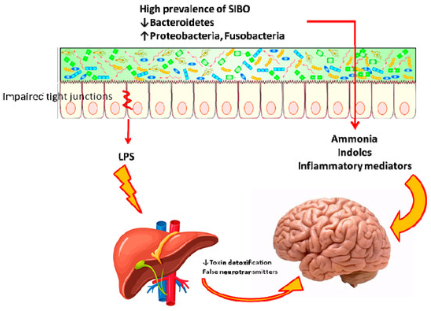
Overall, some symptoms of SIBO to look out for include: -Bloating and gas (especially 30–90 minutes post-meal). -Very frequent constipation or diarrhea. -Too many food "intolerances" all of a sudden. -Abdominal pain or cramping. -Acid reflux or nausea. -Low B12 and high B9.

Why are these the main symptoms is not hard to understand. The gas and bloating that seems to occur around 30-60 minutes after you consume a meal is because it takes about 30-60 minutes for your food to enter from your stomach into the small intestines. But if you have SIBO,

You can get: 1. SIBO breath test that measures hydrogen, methane, and hydrogen sulfide. 2. Organic Acids Test (OAT) that measures for microbial metabolites from things such as yeast/ mold and certain bacteria. 3. Ferritin, B12, magnesium (very low = increased chance). 4.


Now let's talk about the root causes of SIBO. Number 1: Impaired gut motility. The migrating motor complex (MMC), a rhythmic wave that clears bacteria and debris from the small intestine, can be disrupted by hypothyroidism, diabetes or vagal nerve dysfunction for example.

Number 2: Low stomach acid. In the duodenum, the pH rises to 6–7, which is why it's so easy for poor HCL production (low HCl levels (pH > 4)) to contribute to SIBO since it allows pathogens to survive gastric transit. Overall, insufficient HCl production by parietal cells in th
Parietal cells are stimulated by three main pathways: 1. Gastrin: Released by G cells in the antrum in response to food intake, gastrin binds to cholecystokinin B receptors on parietal cells, triggering HCl secretion. 2. Histamine: Enterochromaffin-like (ECL) cells release
Now here's how HCl helps us eliminate pathogens in summary. -Low pH denaturation. The stomach’s pH of 1.5–3.5 disrupts the structural integrity of pathogens by denaturing proteins in bacterial cell walls, viral envelopes and fungal cell membranes. -Pepsin activation.

Number 3: Poor bile flow. Bile, produced by the liver and stored in the gallbladder, has antimicrobial properties and aids in clearing bacteria from the small intestine. Impaired bile production or flow can happen due to deficiencies in C, taurine, glycine, lack of bitter foods,
Number 6: Environmental and lifestyle factors such as antibiotics, mold, heavy metals, glyphosate, PPIs and so on. Number 7: Coexisting conditions such as hypothyroidism, insulin resistance, celiac’s and SIFO. Low thyroid hormones or hypothyroidism for example will slow
Number 8: Good old vitamin and mineral deficiencies. Micronutrients like vitamin D, zinc, vitamin A, and vitamin C for example are critical for innate and adaptive immunity, including phagocytosis, cytokine production, and AMP expression. Zinc and vitamin A deficiencies impair

Now here are some general tips. Number 1: Apply the basics such as: -Avoiding the following foods and dietary habits that can negatively impact gut health: 1. The consumption of highly processed foods. These are problematic for a variety of reasons. Most of them for example
Number 2: Rebuild the natural protection mechanisms with SAFE tools. -Get sunlight Vitamin D upregulates LL-37 (an antimicrobial peptide) for example, acts as an immune modulator by binding to VDRs in immune cells, such as T-cells, B-cells, and macrophages, within the
-Go to sleep and fix your CR. When it comes to circadian health and sleep: -The gut microbiota dynamics follow a 24-hour cycle (the entire G.I tract follows a circadian pattern, bacterial populations, gastric emptying, peristalsis, and enzyme secretion peak at specific times to
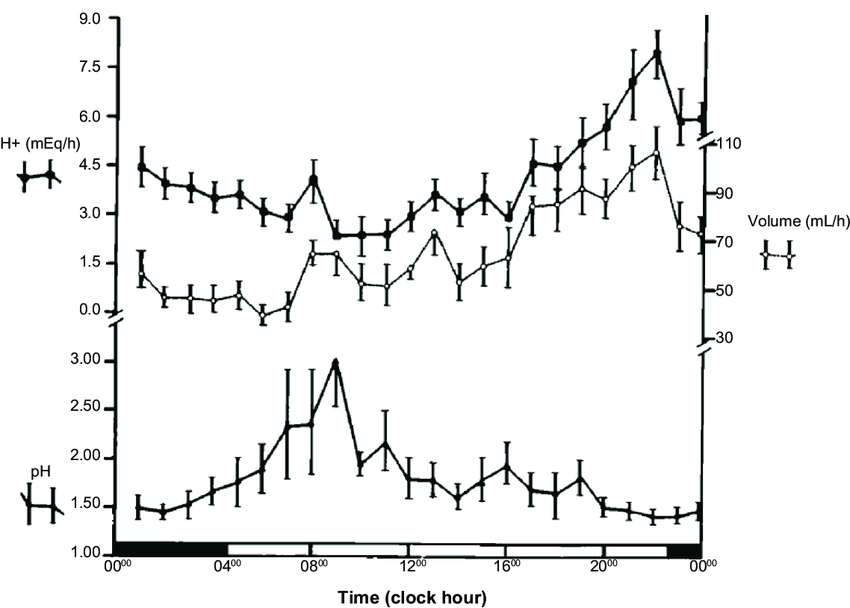
Number 3: Pick out a prokinetic that works for you. Prokinetics basically enhance gastrointestinal (GI) motility by stimulating the coordinated contractions of the gut (they act on the enteric nervous system), particularly the migrating motor complex (MMC). They are preferable

Number 4: Do not neglect tight junctions. Tight junctions (TJs) are protein complexes that form as a selective barrier, regulating the passage of substances between cells in the gastrointestinal (GI) tract and other epithelial barriers in tissues like the blood-brain barrier and

Number 5: Work on bile. Number 6: Start working on biofilms. Biofilms are organized “groups” of microorganisms such as bacteria, fungi, archaea, or protozoa commonly formed in the gut, oral cavity and sinuses. They are embedded in a self-produced extracellular matrix composed

Number 7: Nuke, bind and manage die offs. This is where: oregano oil, PHGG, manuka honey, activated charcoal, rifaximin and so on come into play. Now when it comes to die offs, their intensity is influenced by the: -Microbial loads (severe SIBO with >10^5 CFU/mL will release mo
And if you want to know more about SIBO, get specific meal plans etc, just go here:
And if you found this thread, useful, make sure to leave a like/RT.