
This is the most insane cancer story I've ever read. A Croatian virologist's breast cancer beat surgery and chemo, came back at stage 3B and started eating into her muscle. She decided to cure her own cancer with an insane method. And she did it successfully: (1/17)
Halassy had first been diagnosed a few years earlier. Surgeons removed as much of the cancer as they could, then she went through 4 cycles of chemotherapy to kill whatever might be left behind. But her cancer returned. Doctors removed it again. But it came back now stage 3B.
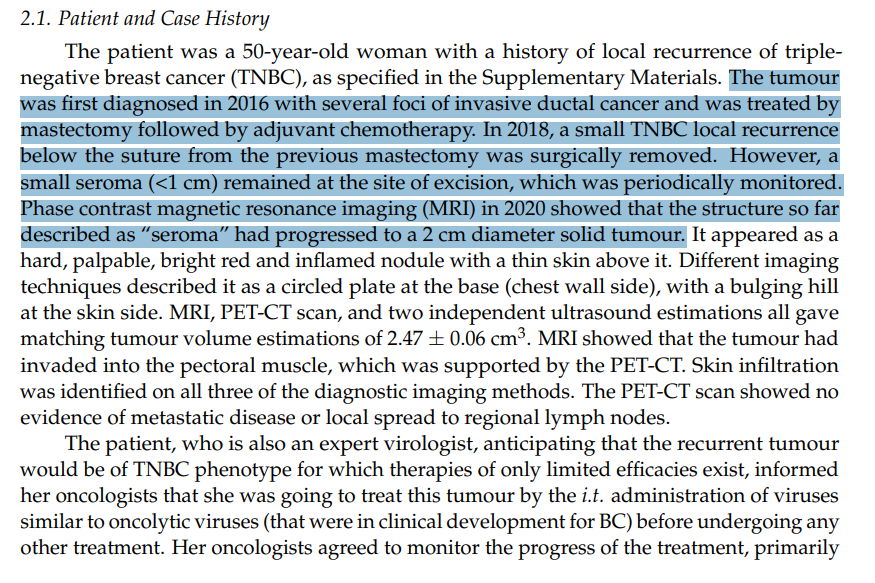
Halassy had already been through chemo once, and she decided she didn’t want to go through another round. She also happened to have spent her career studying viruses, which gave her an unusual idea for what to try instead.
It was commonly reported among doctors that when some of their cancer patients developed infections like influenza or measles, and their tumors unexpectedly shrank. Gradually, researchers began to understand why a virus could be such a problem for a cancer cell.

When a healthy cell detects a virus, it has ways to fight back. It can slow down its machinery, call the immune system for help and, if necessary, destroy itself before the virus gets very far. Cancer cells often lose parts of those defenses as they become cancerous.

That can leave them unusually exposed. A virus gets inside, takes over the cell and starts making copies of itself until the cancer cell dies. As infected tumor cells break apart, they release viral particles and tumor material that attracts the immune system to the area.
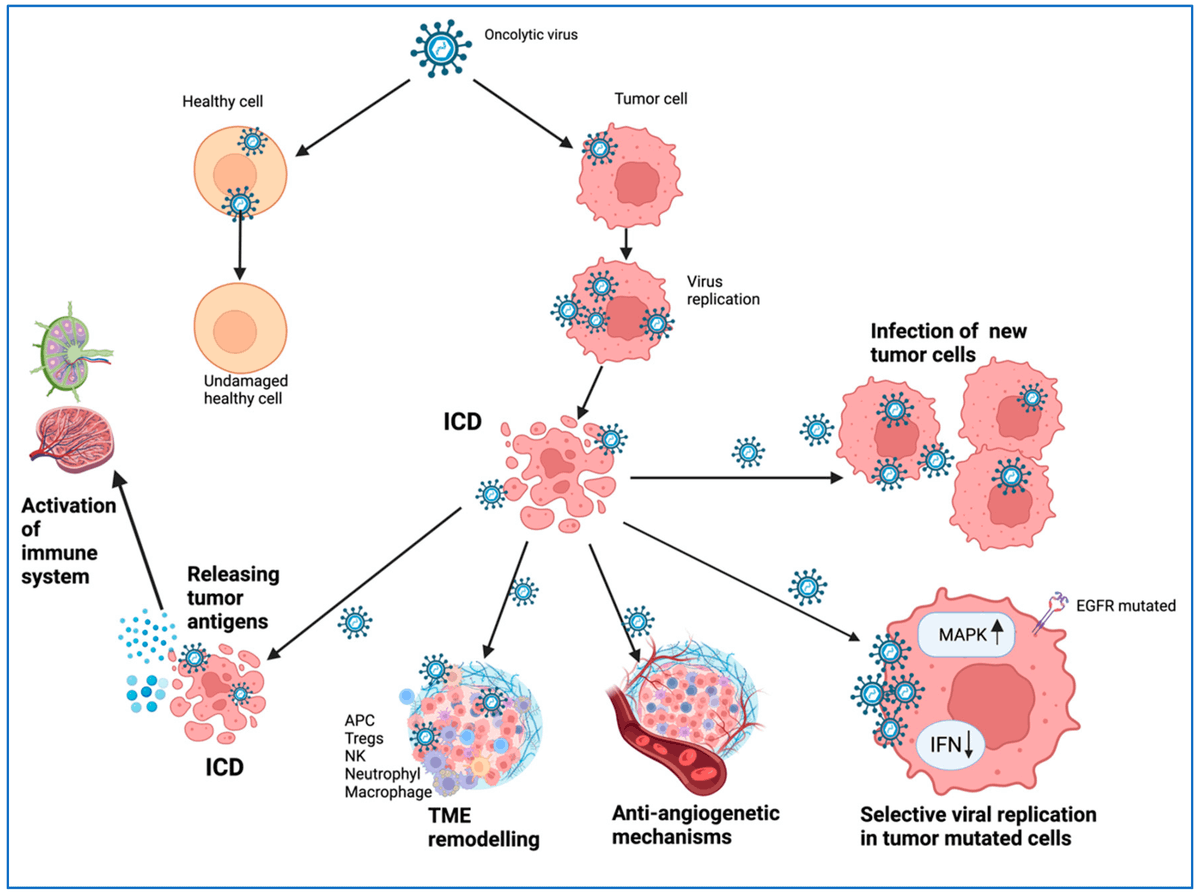
This became the basis for a field called "oncolytic virotherapy." Halassy's plan was to inject a virus directly into the tumor and see whether it could turn the cancer into a target for her immune system. The first virus she chose was measles.
She used an attenuated strain related to the kind used in measles vaccines, then produced the first batch with her team. The first dose contained roughly 600,000 infectious units. They pushed the needle directly into the tumor.
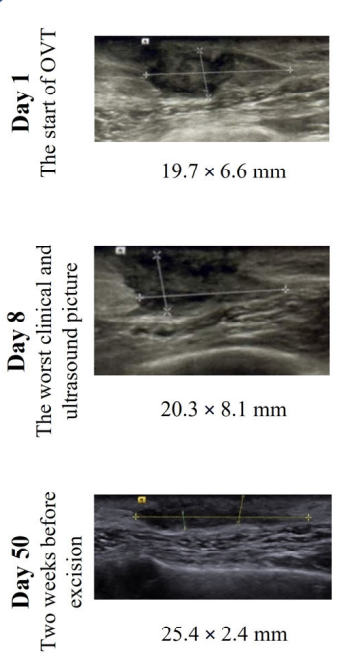
At first, almost nothing changed. Then after another injection, the tumor suddenly swelled nearly twice its previous size. It got larger and more irregular, which was exactly the direction they did not want this experiment to go. A few injections later, it started shrinking.
Inside the tumor, the virus appears to have set off an enormous immune reaction. Infected cancer cells were dying and releasing material into the surrounding tissue, while immune cells began pouring into an area the tumor had previously protected.
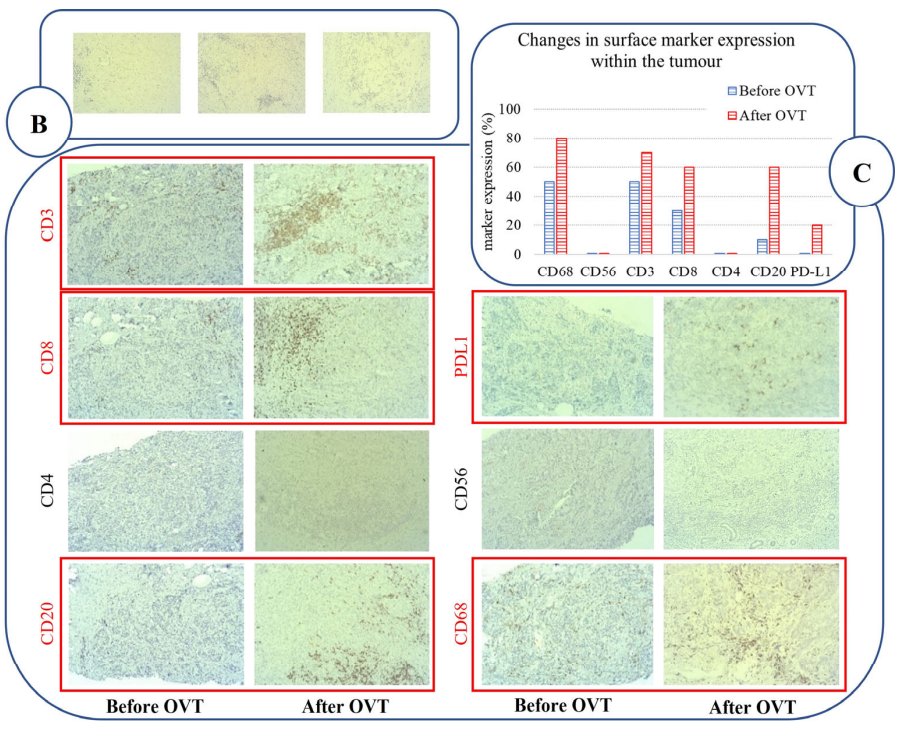
That influx also helped explain the sudden swelling. They continued injecting the tumor every few days. 7 measles-virus doses were given over the first three weeks. But the experiment now had a built-in time limit.
Her immune system was becoming increasingly good at recognizing and clearing measles. Eventually, the virus might be eliminated before it had enough time to spread through the tumor. So Halassy changed the virus.
She switched to VSV, a virus that very rarely infects humans and generally causes mild flu-like illness when it does. The first injection gave her fever and chills. Those ended up being the main side effects reported during the experiment.
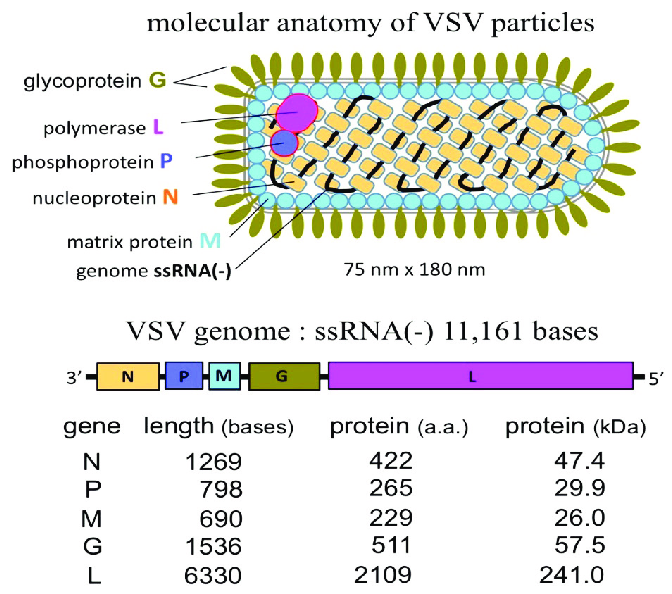
Over the next several weeks, the tumor kept changing. By the end of roughly 2 months of injections, it was 63% smaller by volume, softer and more mobile. It was no longer invading the surrounding skin or pectoral muscle. So surgeons removed what remained.
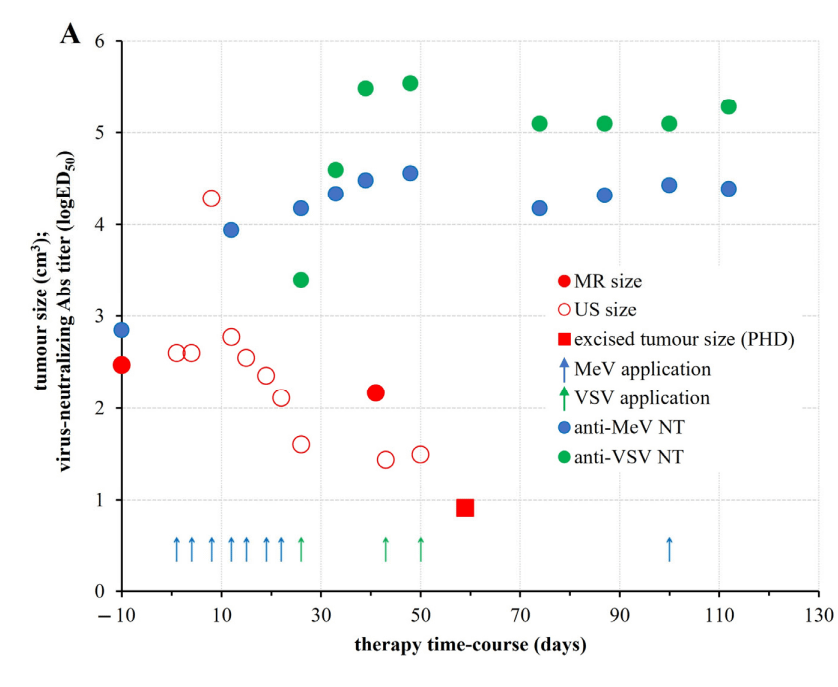
When they examined the tissue afterward, around half of the mass consisted of immune cells that had moved into the tumor. Halassy then received additional anti-cancer drugs for another year. 6 years had passed and she's still cancer free.
Researchers are now running more than 100 human studies of viruses against cancer. The idea behind them is the same one Halassy tested on herself. This is what taking control of your own health looks like, and with AI it's about to be normal.
If you want to dig deeper into the sources, I'll leave them below: