
They came to conquer Europe. 150,000 Ottoman soldiers stood at the gates of Vienna, ready to break through... Then, on September 12, 1683, 20,000 horsemen appeared on the horizon—the largest cavalry charge in history. What happened next changed the course of history forever:

The year was 1683. The Ottoman Empire, at the height of its power, had set its sights on Vienna. If the city fell, the road to Western Europe lay open. The stakes could not have been higher.
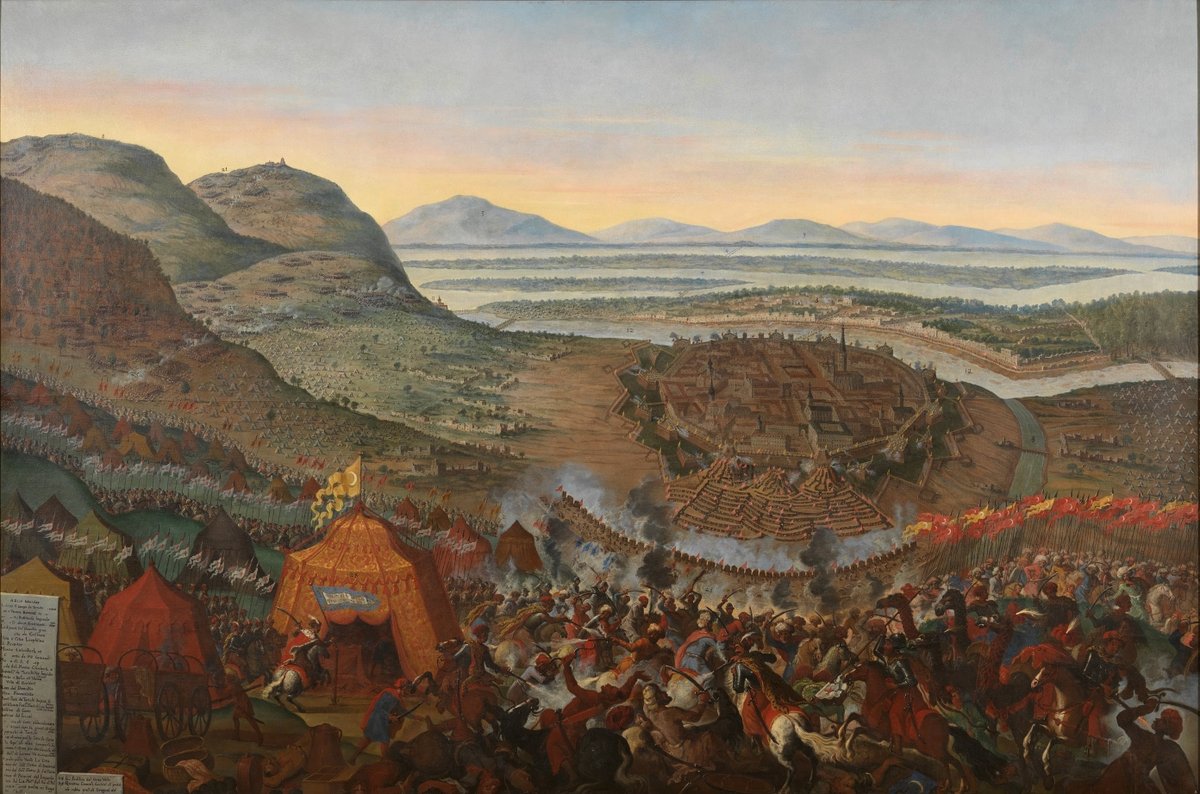
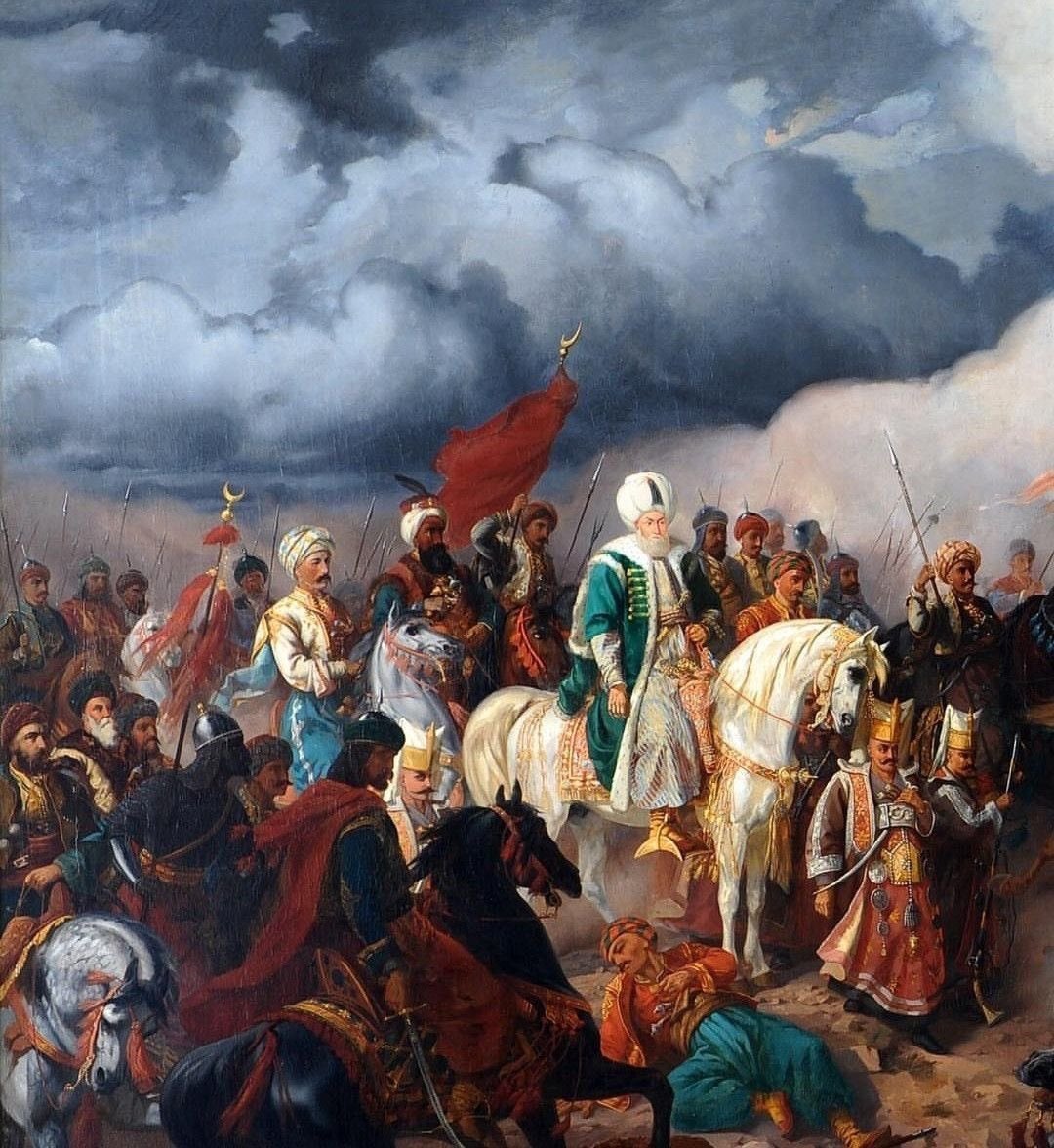
The Ottomans, led by Grand Vizier Kara Mustafa, marched with an army of 150,000 men. They had already conquered large parts of Hungary. Now, they aimed to break into the heart of Europe.

Vienna was the capital of the Habsburgs, a major European power. But its defenses were weak. Emperor Leopold I had fled the city, leaving it in the hands of Count Ernst Rüdiger von Starhemberg, who commanded just 15,000 troops and a handful of volunteers.
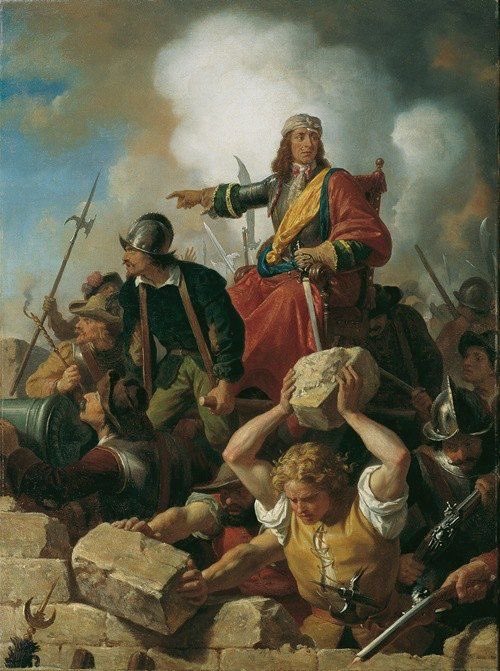
The siege began in July. Ottoman sappers dug tunnels beneath the city walls, preparing to collapse them. Artillery pounded the fortifications. Inside, food and supplies ran low. Disease spread. Morale weakened.
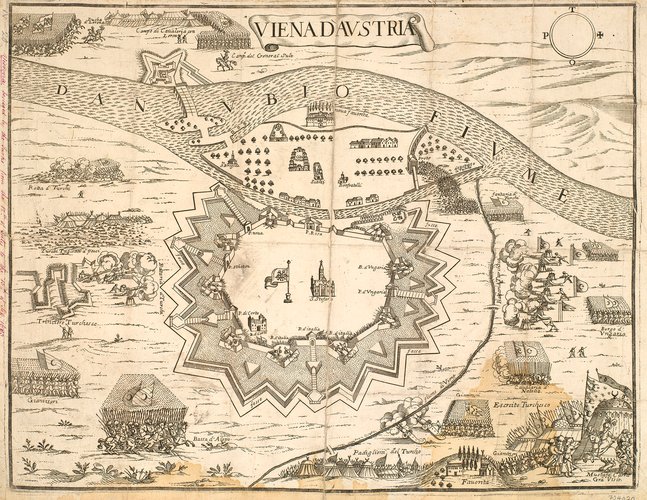
Vienna was on the verge of collapse. If it fell, the Ottomans could push deeper into Germany and beyond. France, under Louis XIV, had no intention of stopping them. Europe’s fate hung by a thread.
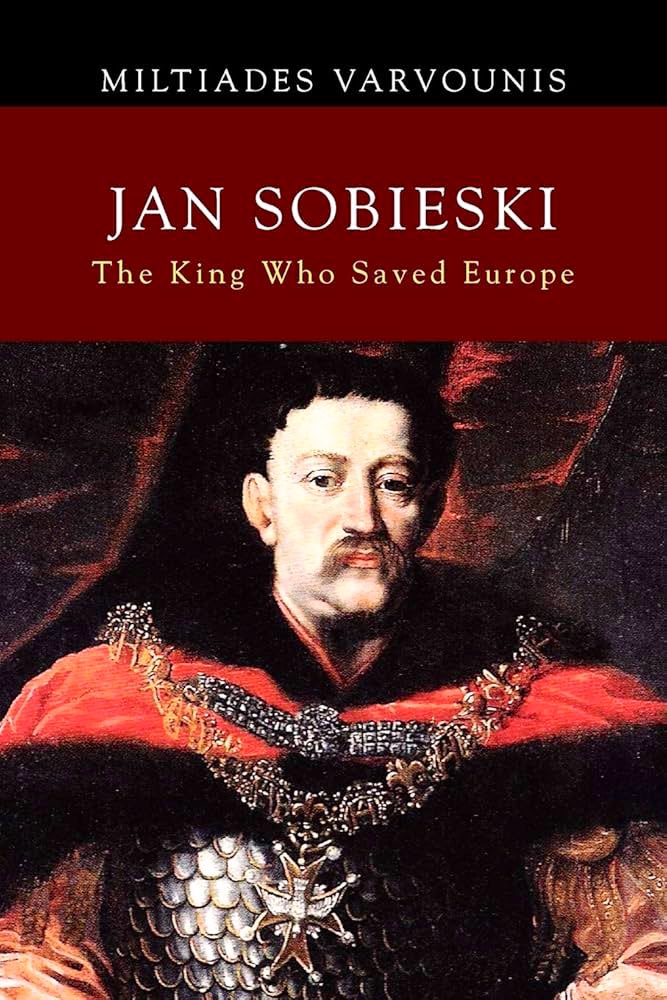
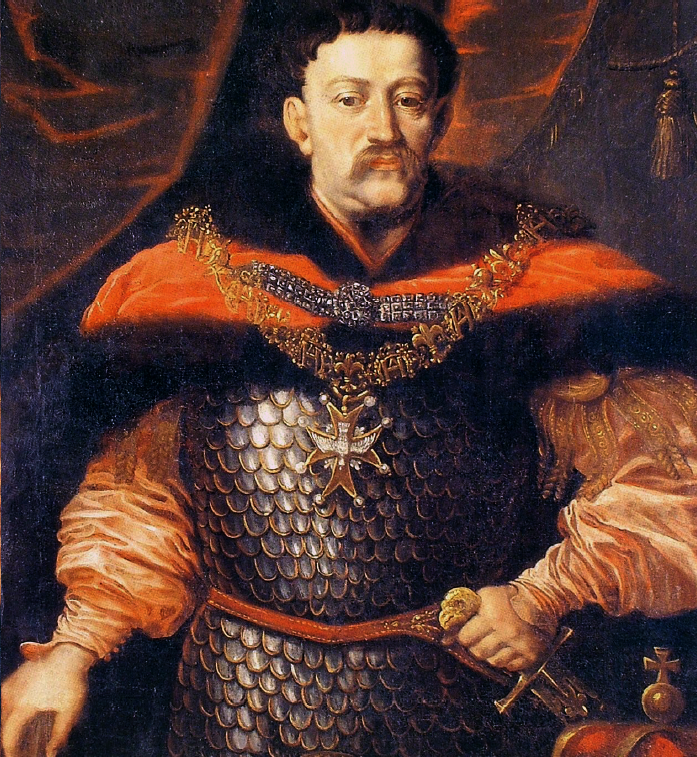
But help was coming. The Holy League, a coalition led by the Polish-Lithuanian Commonwealth, the Holy Roman Empire, and various German states, had assembled an army. At its head was King Jan III Sobieski of Poland.

Sobieski was no ordinary king. He was a battle-hardened warrior, known for his tactical brilliance and personal courage. He had fought the Ottomans before and knew their strategies well.
He marched 30,000 Polish troops across difficult terrain, joining forces with the Austrians and Germans. By early September, his army—70,000 strong—stood on the hills outside Vienna, preparing to strike.
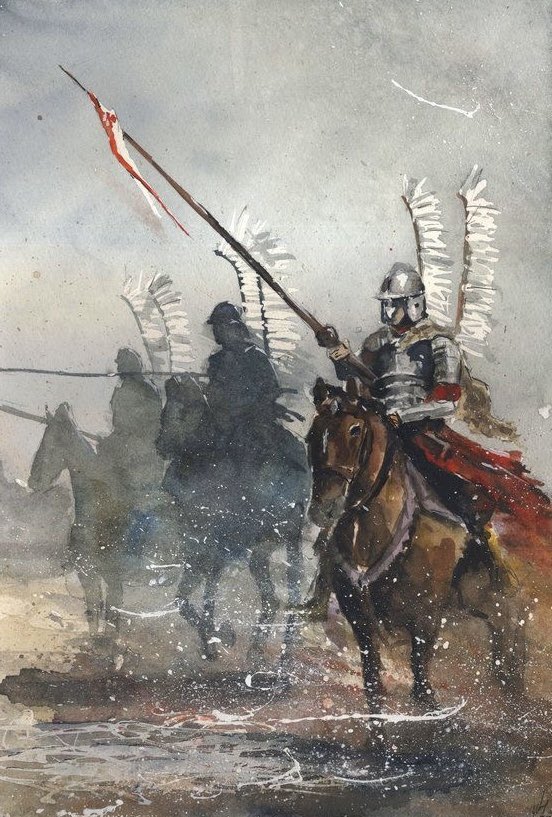
The Ottomans were confident. They had nearly breached the city walls. Kara Mustafa believed Vienna would surrender before any relief army could intervene. He refused to break the siege.
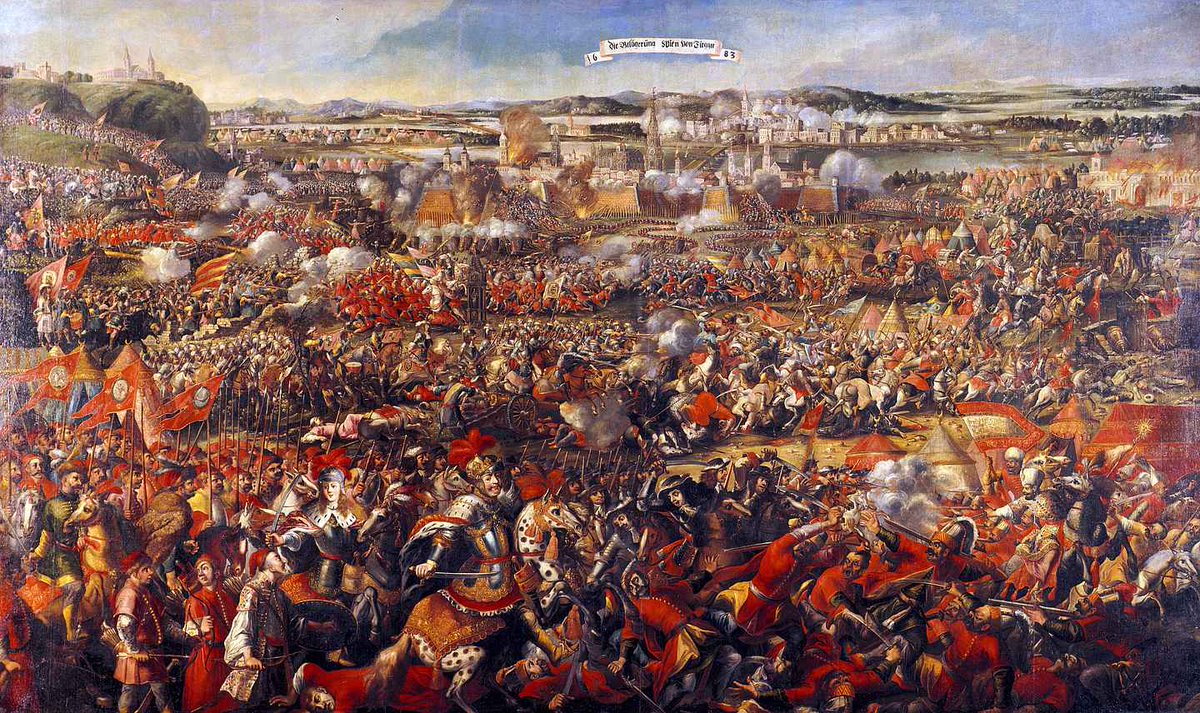
On September 12, 1683, the allies attacked. The battle began with heavy fighting in the forests and hills surrounding Vienna. German and Austrian infantry advanced, pushing back Ottoman forces.
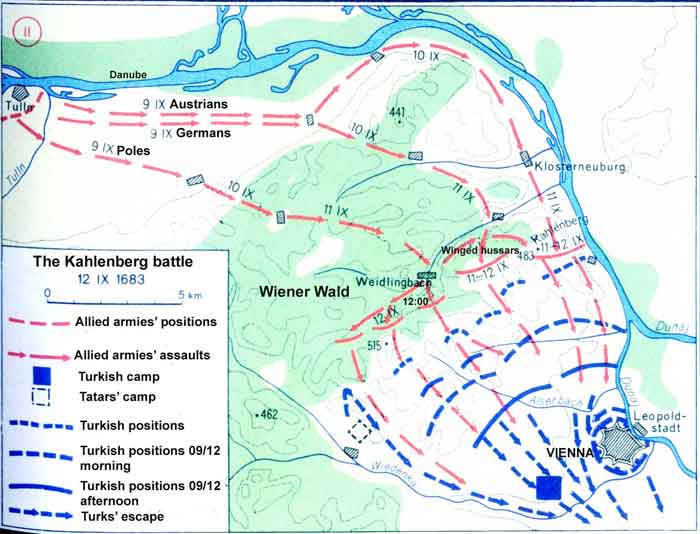
The Polish infantry engaged next, steadily weakening the enemy. Artillery barrages tore through the Ottoman ranks. The fighting was brutal, with thousands dying on both sides.
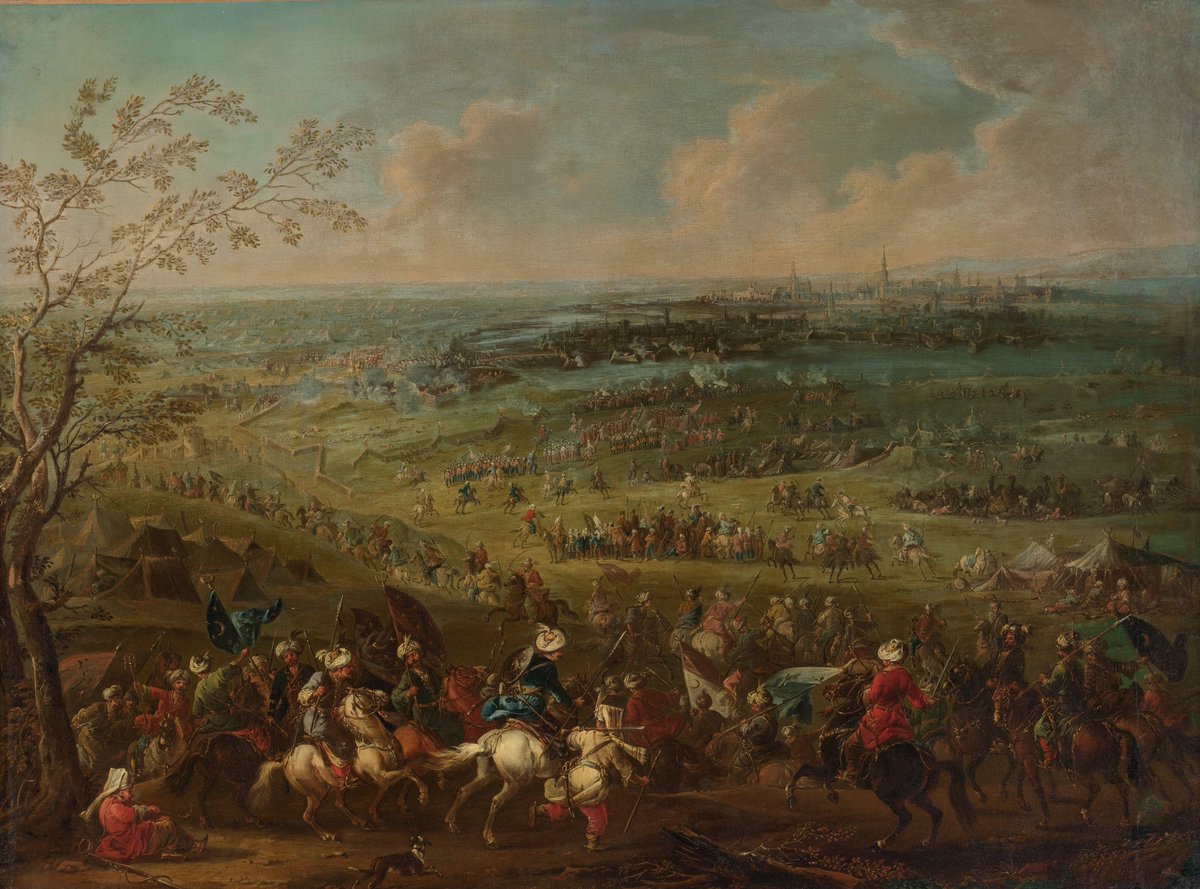
Then came the moment that changed history. As the sun began to set, Sobieski ordered a cavalry charge—the largest in history. 20,000 horsemen descended from the hills, with 3,000 Polish hussars at the front.
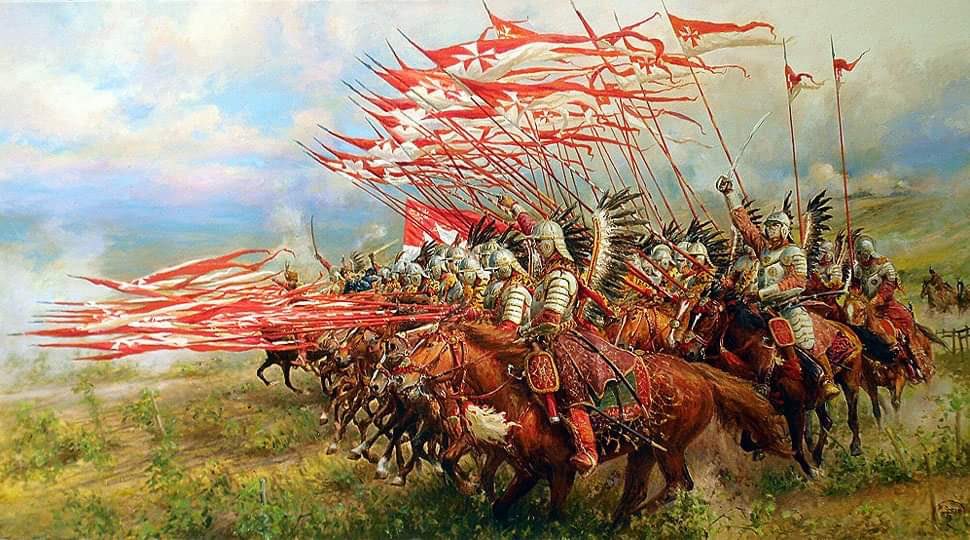
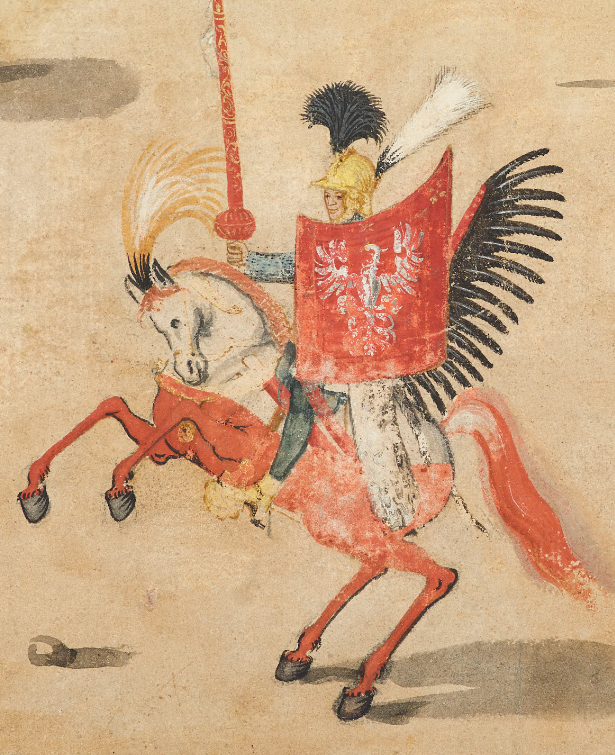
The Polish hussars were no ordinary cavalry. They were heavily armored, carrying long lances and sabers. Their horses were bred for speed and endurance. And they wore great wings of wood and feathers, which made a terrifying sound as they charged.
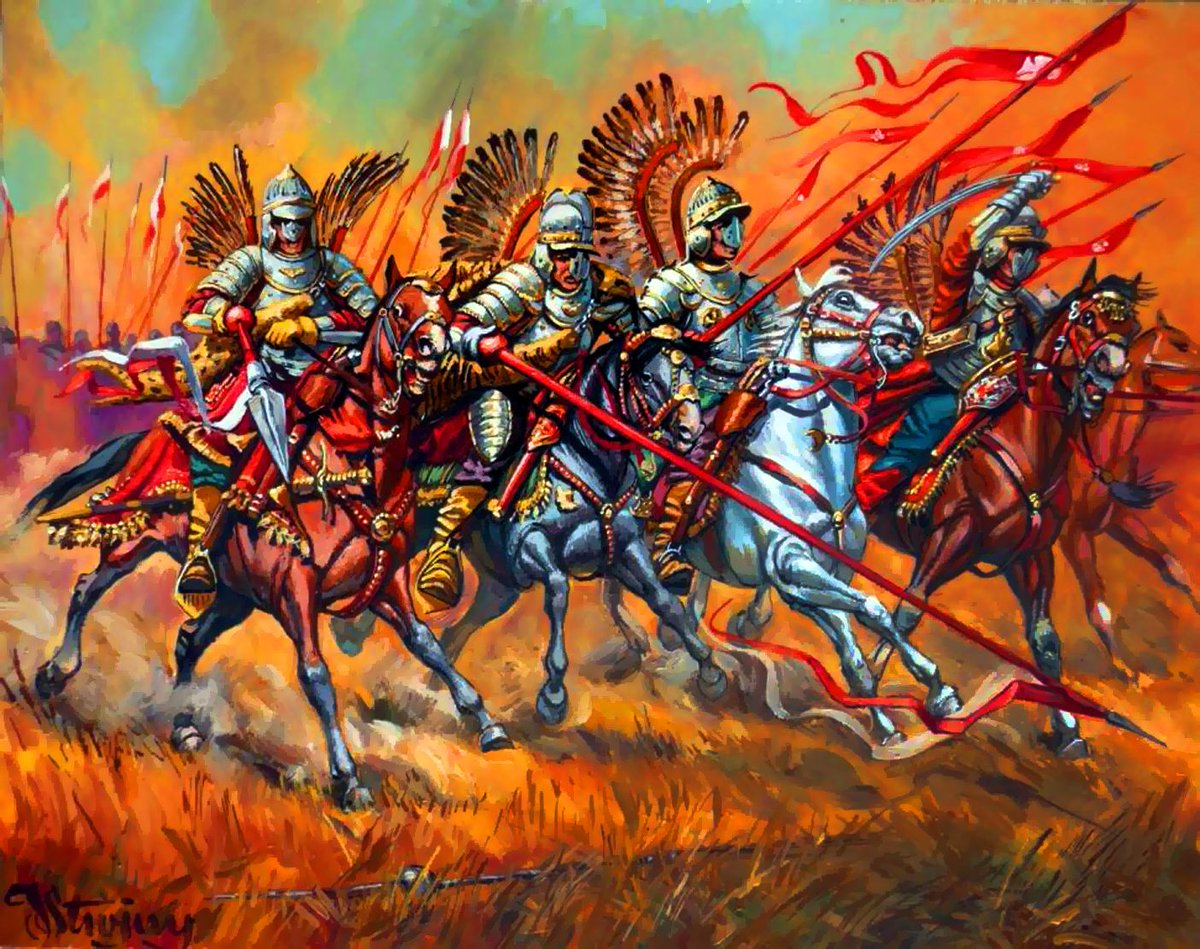
The impact was devastating. The Ottomans, exhausted from the siege and the day’s fighting, were overwhelmed. The hussars smashed through their ranks, cutting them down in waves.
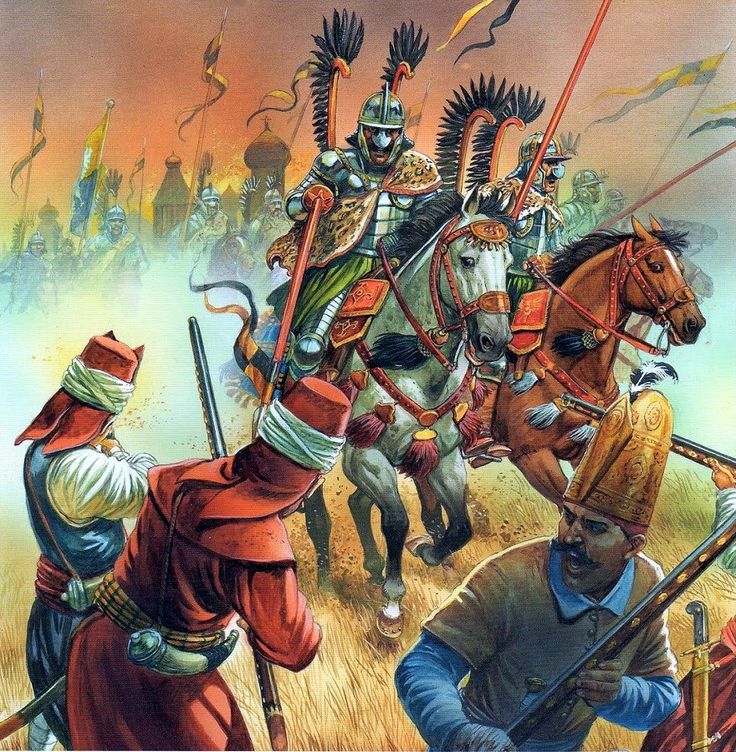
The Ottoman army, once so confident, collapsed in panic. Soldiers abandoned their weapons and fled. Kara Mustafa barely escaped with his life, leaving behind his camp, his treasury, and thousands of dead.
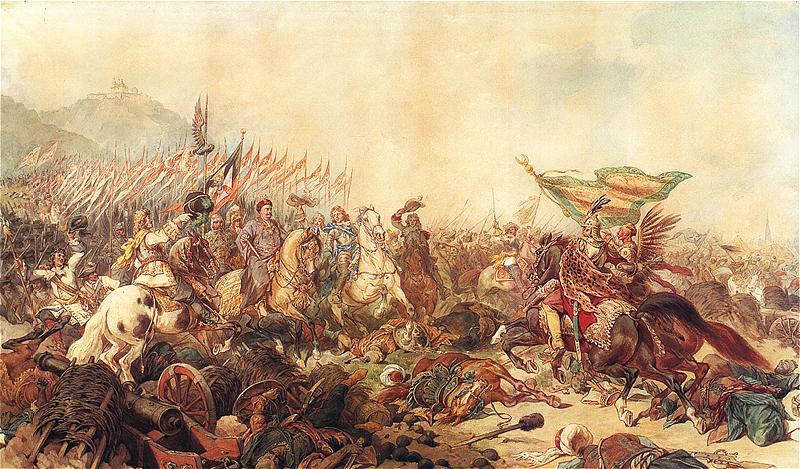
By nightfall, the siege was over. Vienna was saved. Europe was saved. The Ottomans had suffered a catastrophic defeat from which they would never fully recover.
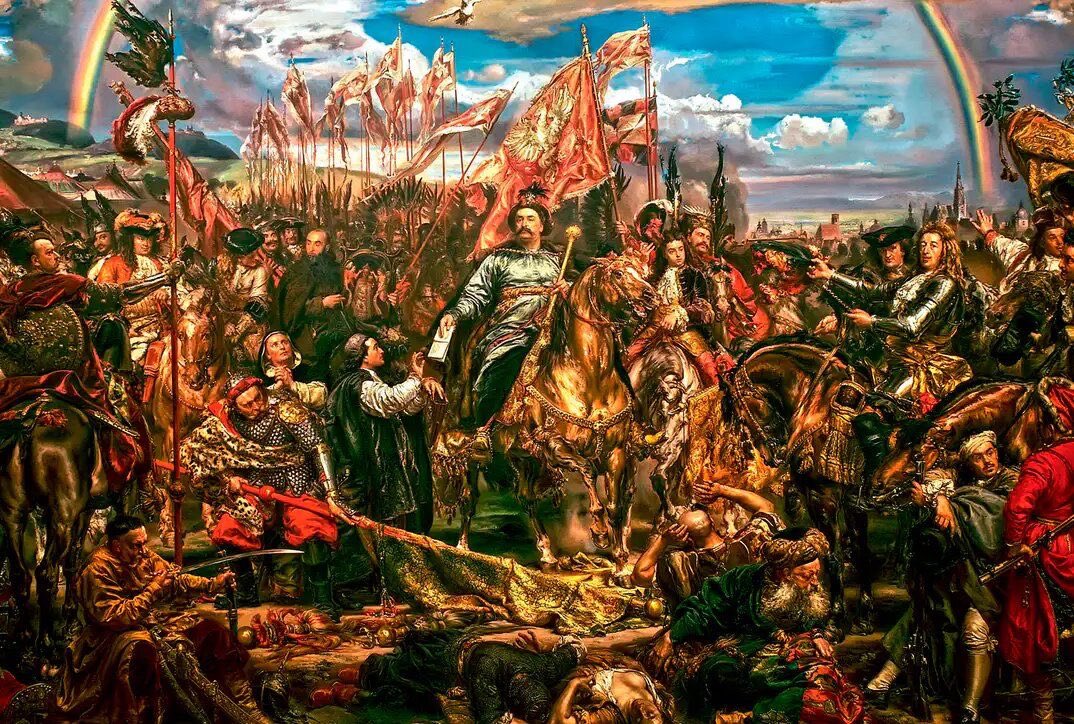
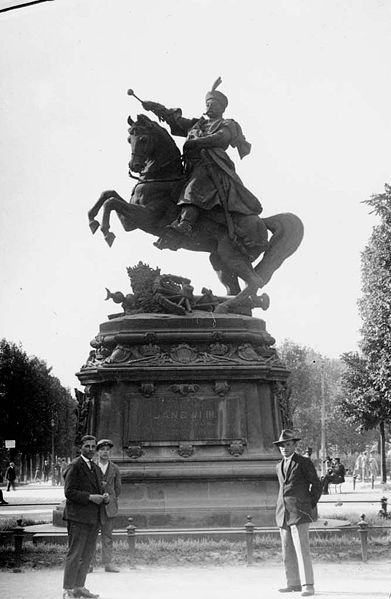
Sobieski, victorious, entered Vienna like a Roman general. He sent a letter to Pope Innocent XI, writing: "We came, we saw, God conquered."
The battle of Vienna marked the beginning of the Ottoman decline. Though they would remain powerful, they never again posed a serious threat to Central Europe.
The Polish hussars became legends. Their charge at Vienna was the pinnacle of their long history as the finest cavalry in the world. For centuries, they had defended Christendom against invaders from the east.
But Poland itself was not so fortunate. A century later, the Polish-Lithuanian Commonwealth was weakened by internal struggles and foreign intrigue. In 1795, it was partitioned by Russia, Prussia, and Austria, disappearing from the map of Europe for over 100 years.
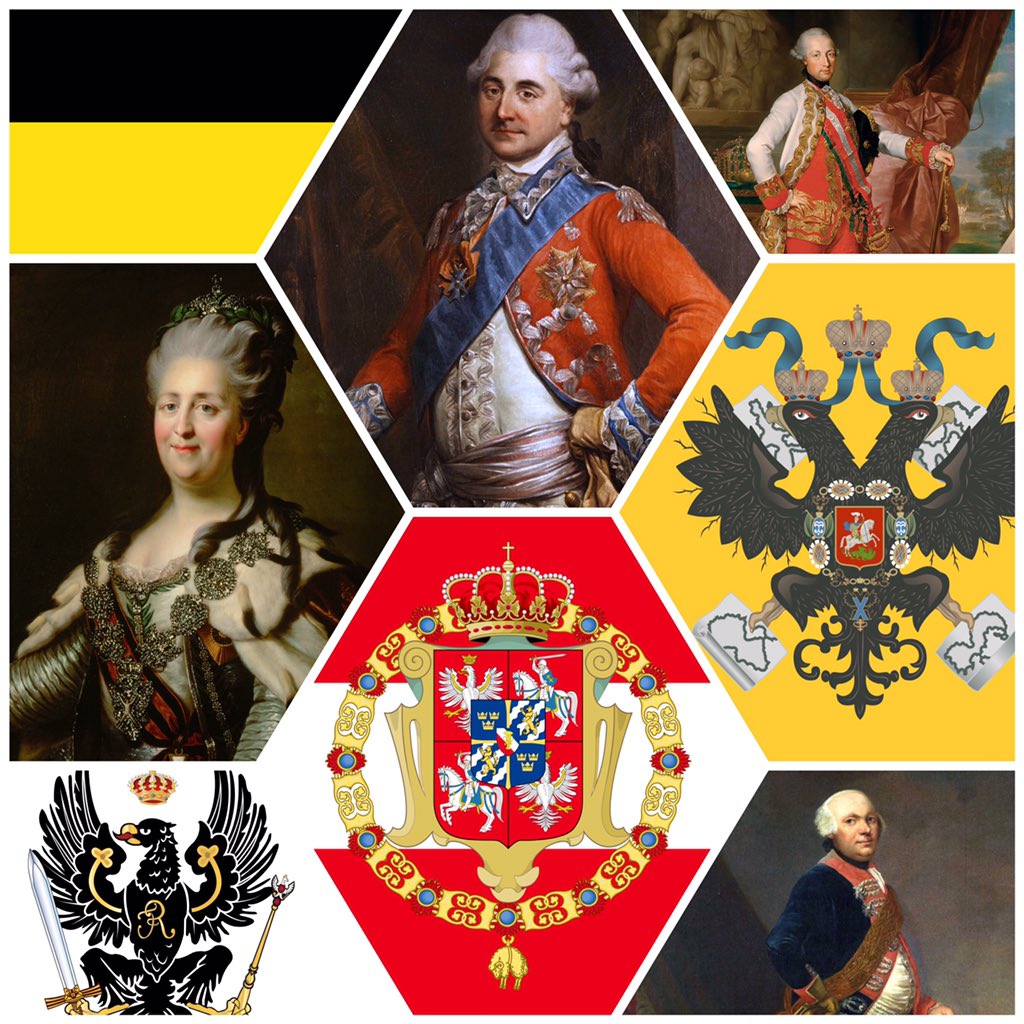
Yet the victory at Vienna remains one of the greatest moments in Polish history. It was the day when a Polish king and his winged knights turned the tide of history, saving a continent from conquest.
If you found this thread valuable, please: ✅RT the first tweet and help others find this thread ✅Join 3,600+ others and join my FREE newsletter — it goes deeper on topics like this: https://athenaeum.beehiiv.com/...
@HumbleFlow That story deserves a movie. The best cavalry charge in history
@mapsandkings Yes! THE best.
@HumbleFlow Exactly why Al- Qaeda chose September 11 as the day of their attack on America.
@realErikDPrince I forgot to mention that! Thanks, Erik.
@HumbleFlow Great story, you tell it well, plus I didn’t know that Poland had been annexed or anything about the largest cavalry charge in history. I’m listening to the Silk Road which reminds me a bit of this story, and how different life could be depending on who wins the wars!
@ElenaRae644820 If it wasn't for this battle, Europe would not be Christian today.
@HumbleFlow What a story! The enlightenment, and our modern world, would have never happened if the results of this battle had been different.
@HumbleFlow What the Muslims did not capture then are capturing now with migration Press ❤️ to shut the borders and start deportations
@HumbleFlow The Poles, once again, seem to be standing against the Muslim invasion of Europe.
@HumbleFlow The best scene of LOTR is said to be based off of this battle and the charge of the Hussars
@HumbleFlow THEN THE WINGED HUSSARS ARRIVED!!!
@HumbleFlow Some say it was the largest cavalry charge in history. I’m researching and planning a large oil painting of this moment - 5ft tall by 8 ft wide. There are so many details to capture in the Hussars banners. Their armor was very ornate.
@HumbleFlow When working in Vienna, each first Sunday of September, Polish ambassador to Austria & I celebrated together this historic 1683 victory of king Jan III Sobieski and his army. First, we laid flowers to the monument of Ukrainian Cossacks who were part of it. Second, we attended
@HumbleFlow Your thread is gaining traction! #TopUnroll https://threadreaderapp.com/th... 🙏🏼@KPolo09 for 🥇unroll