
A European empire. An Asian rising power. In 1904, the Russian and Japanese empires clashed in a brutal war that would shock the world—and announce Japan as a global power. How did a small island nation defeat one of the largest empires on Earth... ?

In 1904, the world still believed European empires were invincible. That illusion died when Japan—a nation once closed off from the world—humiliated the Russian Empire in a brutal war. It was the first time an Asian power defeated a European great power in modern history.

Why did Russia and Japan go to war? Both wanted to dominate Manchuria and Korea. Russia saw itself as the rightful ruler of the East. Japan had rapidly modernized and saw Russia as a threat to its survival. Diplomatic negotiations failed, and war became inevitable.

On February 8, 1904, without declaring war, the Imperial Japanese Navy launched a surprise attack on the Russian fleet at Port Arthur (now Lüshunkou, China). Several Russian battleships were crippled before they could even leave port.
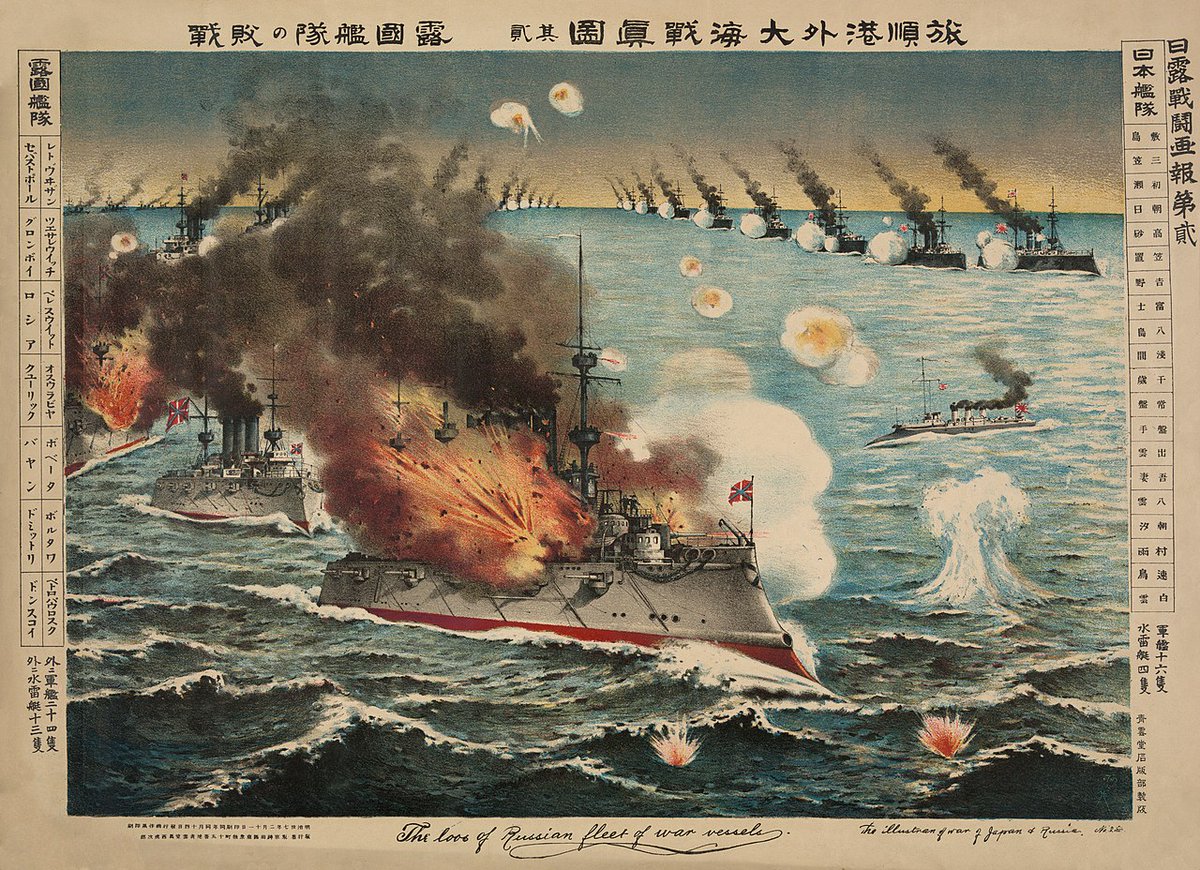
The heavily fortified Port Arthur was Russia’s key naval base in the Pacific. Japan besieged it for nearly a year, using relentless artillery bombardments. On January 2, 1905, the Russian garrison surrendered after suffering tens of thousands of casualties.

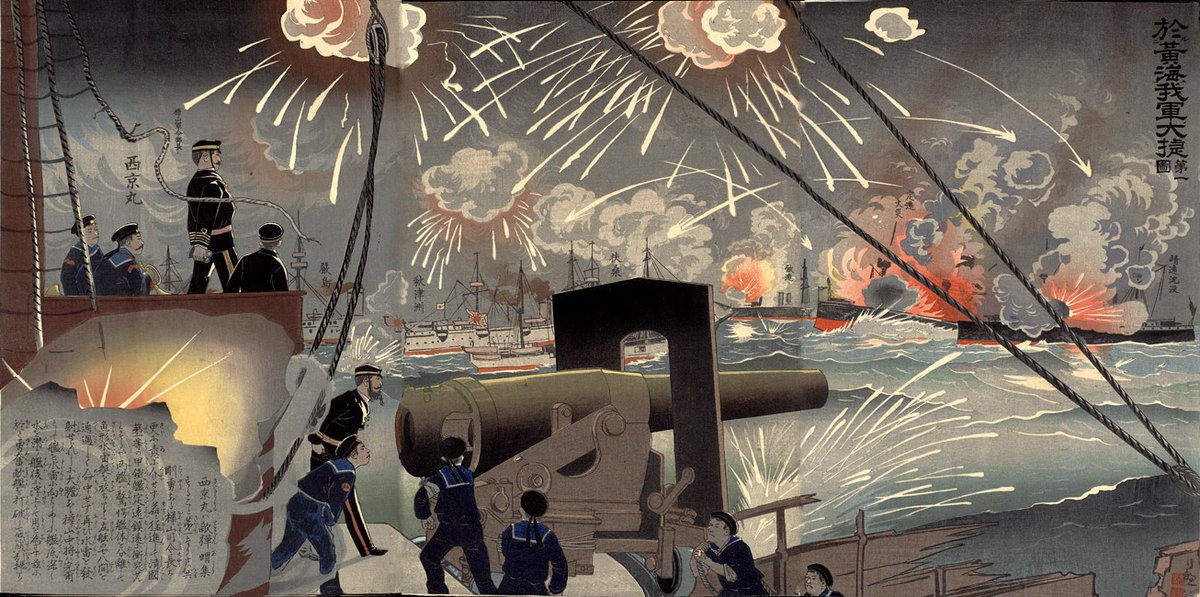
The loss of Port Arthur shattered Russia’s morale. While Port Arthur was under siege, hundreds of thousands of troops clashed in brutal battles across Manchuria. The Battle of Yalu River (April 30 – May 1, 1904): Japan’s first major land victory, shocking the world.
The Battle of Mukden (February–March 1905) One of the largest land battles in history at the time—600,000 soldiers fought for nearly three weeks.
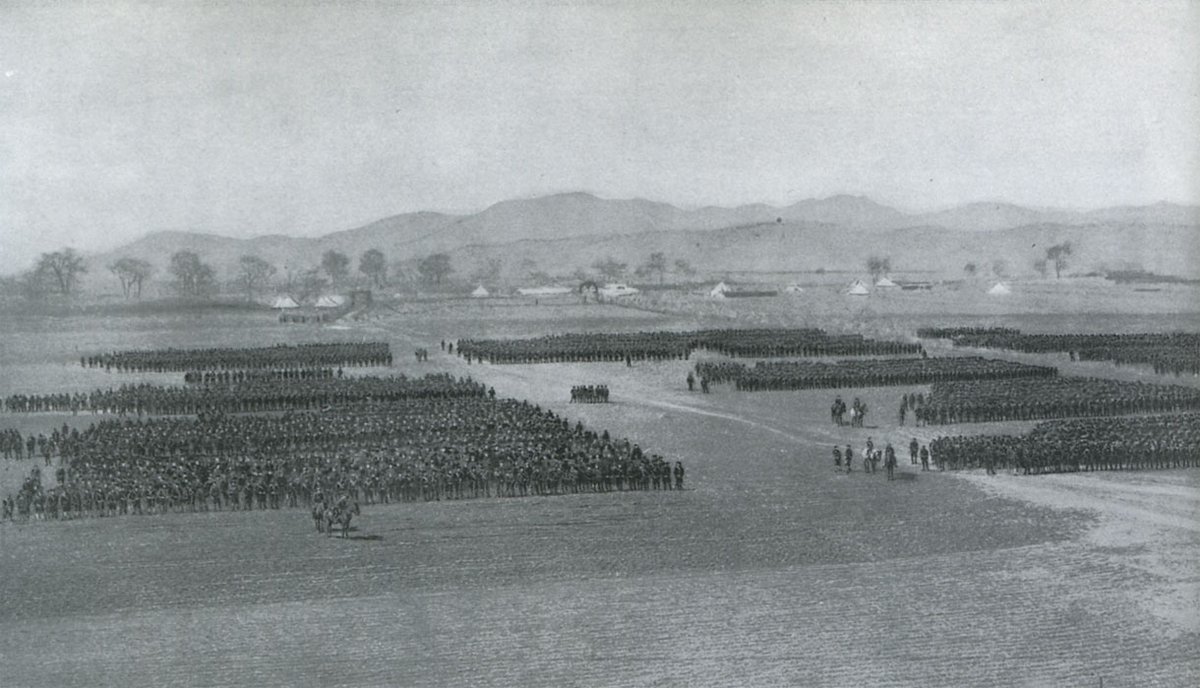
The Japanese outmaneuvered the Russians, forcing them to retreat. Over 160,000 men were killed, wounded, or captured. Russia’s land forces were shattered. The war would now be decided at sea.
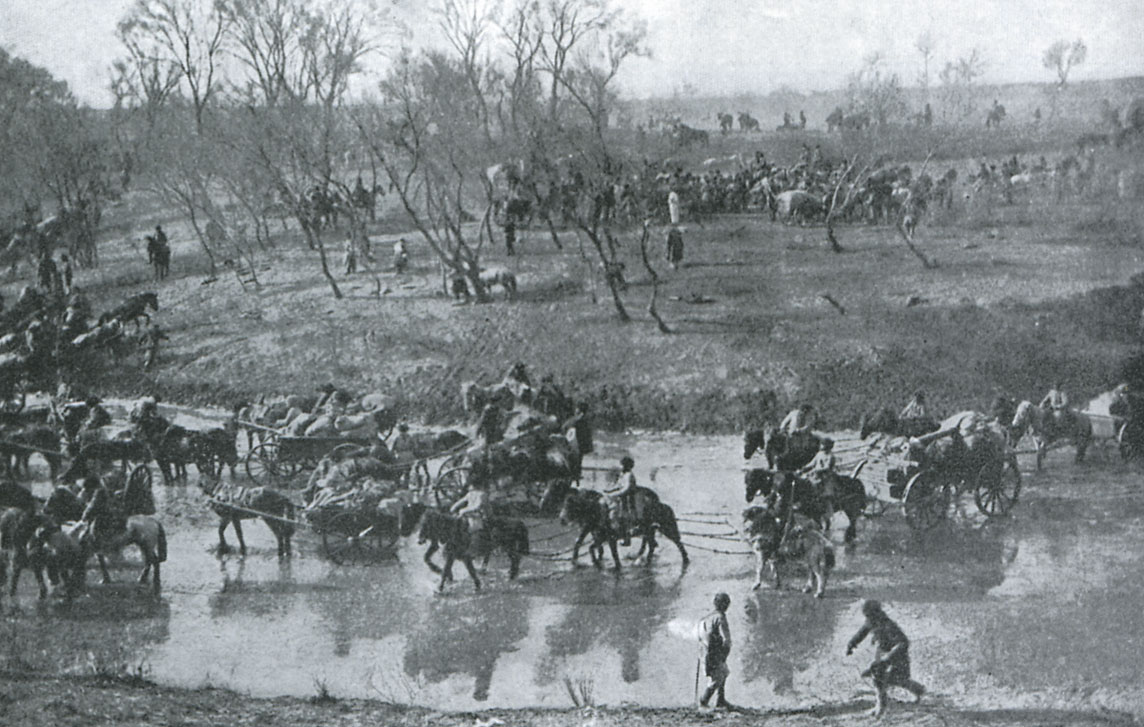
The Russian Baltic Fleet’s Doomed Voyage In desperation, Russia sent its Baltic Fleet on an 18,000-mile journey around the world to relieve its forces in the Pacific.

They mistakenly fired on British fishing boats, nearly starting a war with the UK. 😂 They ran low on coal, supplies, and morale. They arrived exhausted, only to sail straight into a Japanese trap.

The Most One-Sided Naval Defeat in History.. The Russian fleet finally reached the Pacific, but Admiral Tōgō Heihachirō was waiting.
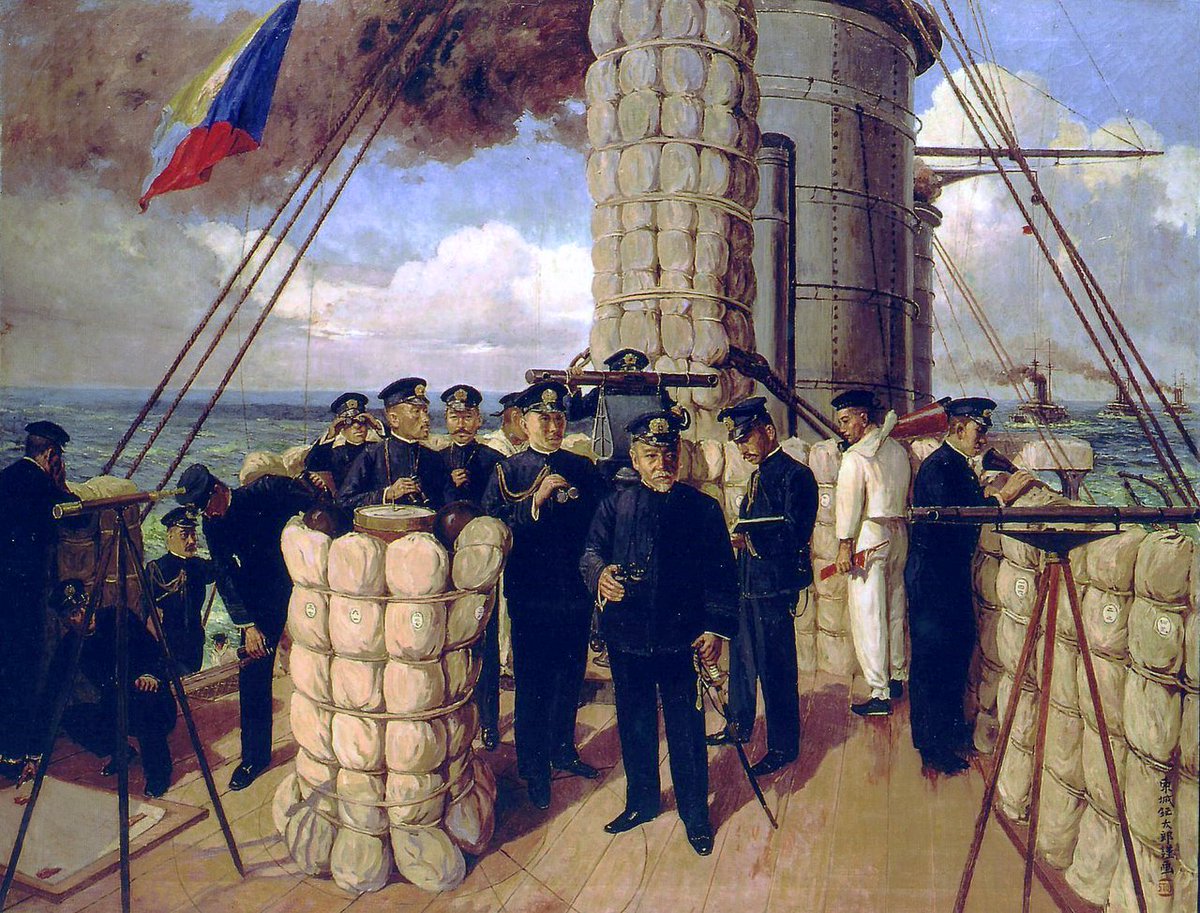
In just two days, Japan destroyed 31 of Russia’s 38 ships. Russia lost 5,000 men, while Japan lost only 117. This was the first time an Asian power obliterated a European navy.

Russia had no choice but to surrender... Russia was economically and politically collapsing. Japan had crushed both its navy and army. The war ended with the Treaty of Portsmouth (September 5, 1905), brokered by U.S. President Theodore Roosevelt.

Russia recognized Korea as part of Japan’s sphere of influence. Russia gave up Port Arthur, the Liaodong Peninsula, and the southern half of Sakhalin Island. Russia’s expansion in the East was permanently halted.
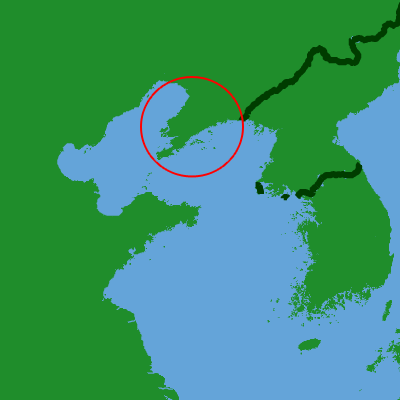
It was the first time a non-European power defeated a European empire in modern warfare. It proved Japan was now a world power. It humiliated Russia, exposing its weaknesses to the world.

The defeat sparked massive protests in Russia. In January 1905, "Bloody Sunday" saw troops fire on protesters in St. Petersburg, killing hundreds.

Strikes, riots, and mutinies spread across the empire. Russia was forced to make concessions, leading to the creation of the Duma (parliament)—but unrest would only grow.

Japan proved itself as a great power, gaining international respect. However, many Japanese felt cheated by the peace treaty, believing they should have gotten more. The war set Japan on an imperial path, leading to its expansion in China and, eventually, World War II.
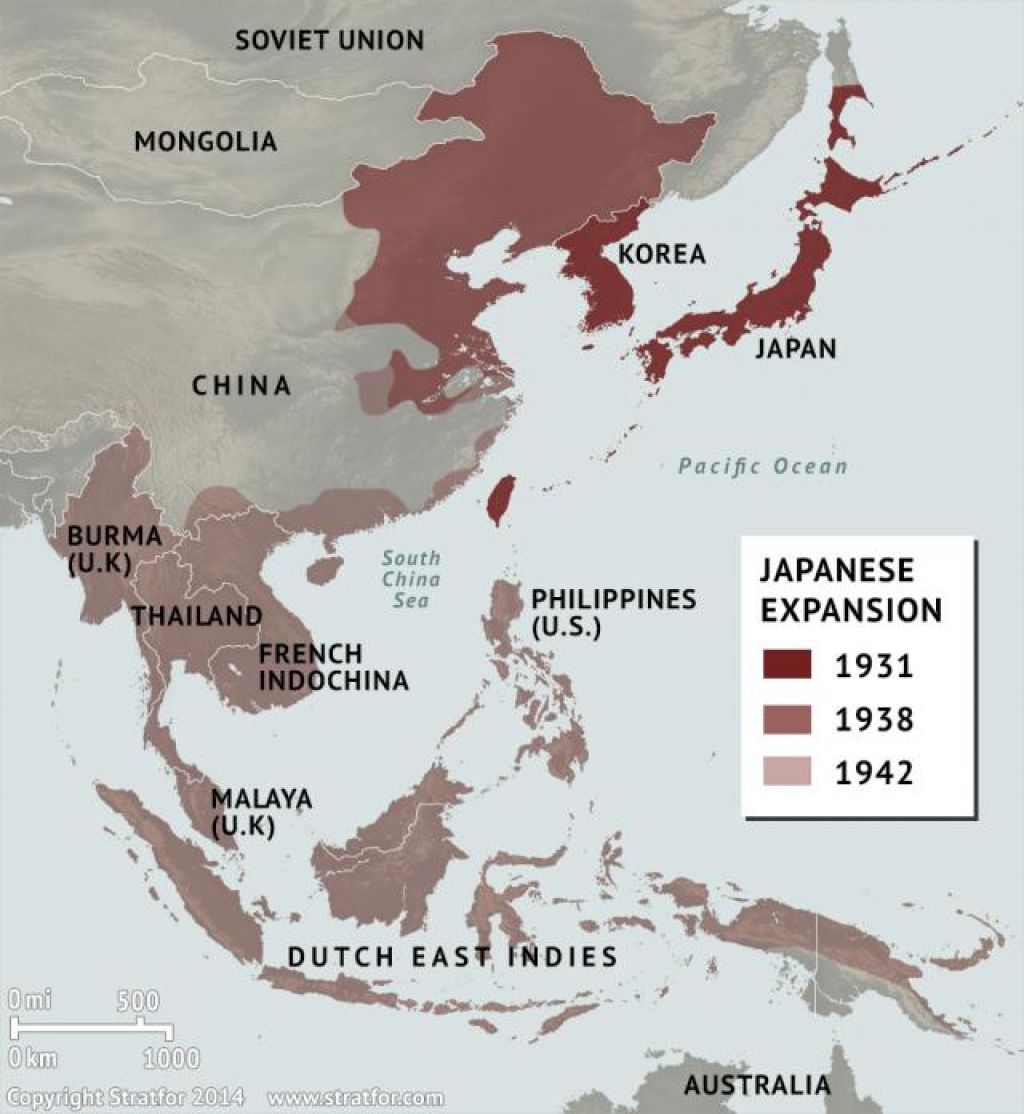
The war showed how outdated Russia’s military was, leading to reforms. But the defeat planted the seeds for Russia’s collapse in World War I and the 1917 Revolution.

Why Didn’t Other European Powers Step In? Britain quietly supported Japan, as it saw Russia as a rival. France, Russia’s ally, was too weak to help. The U.S. acted as a mediator but favored Japan’s rise to counterbalance Russia in the Pacific.
The war changed the world... It ended the myth of European invincibility. It proved the power of modernized Asian states. It set the stage for both World War I and Japan’s rise in the 20th century.

The Russo-Japanese War was one of the most decisive conflicts of the 20th century. It reshaped global power dynamics, fueled revolutions, and set the course of history. Europe no longer ruled the world alone.

The victory of Japan over Russia was a preview of the changing balance of power in the 20th century. The beginning of the end for old European empires...
If you found this thread valuable, please: ✅RT the first tweet and help others find this thread ✅Join 4,100+ others and join my FREE newsletter — it goes deeper on topics like this: https://athenaeum.beehiiv.com/...
@HumbleFlow I don’t know why, but I’ve always found this war to be one of the most fascinating in history. I learned a lot of new things from your thread.
@CatholicFQ It is pretty interesting. I'm glad, Sir!
@HumbleFlow These little Japanese torpedo boats put the fear of god into the Russian fleet. Causing them to mistake British fishing boats in the Black Sea for torpedo boats, leading them to fire upon them, and then firing upon their own ships in friendly fire.

@recollectspirit Thanks for sharing
@HumbleFlow Japan’s 100 year Sengoku period is fucking insane to read about and then you realize why they were so good at fighting. Their heroes were daimyos like Oda Nobunaga. Warlords that took no mercy.
@MBurr89657863 Sengoku? 15th century right
@HumbleFlow Wow, was Japan always sneak attacking? Interesting how neither US or UK supported Russia, then joined forces in WW2.
@singledadreboot Not always, but when it did, it was ruthless and effective.